The start of a new year is a natural reset for businesses, property managers, and facility teams. Budgets are refreshed, goals are set, and long-term planning comes back into focus. For many organizations, this makes January the ideal time to reassess building conditions and address overdue issues. Understanding the Top Commercial Maintenance Priorities for the New Year in Charleston helps businesses protect their properties, reduce disruptions, and plan maintenance strategically instead of reacting to emergencies.
In coastal South Carolina, commercial buildings face year-round wear from humidity, heavy use, and changing seasonal demands. Winter may be mild, but it provides a valuable window to evaluate interior systems, address deferred repairs, and prepare facilities for higher activity later in the year. Businesses that partner with Mr. Handyman of Charleston and Summerville often use the new year to shift from short-term fixes to proactive commercial maintenance that supports safety, efficiency, and long-term performance.
Commercial maintenance is not just about fixing what is broken. It is about preserving assets, protecting employees and customers, and keeping operations running smoothly.
Why the New Year Is the Right Time to Reevaluate Commercial Maintenance
Many maintenance issues develop gradually and are easy to overlook during busy periods. The new year creates a pause that allows business owners and property managers to step back and look at the full picture.
Key reasons the new year is ideal for maintenance planning include:
- Annual budget resets make repairs easier to schedule
- Slower winter activity allows work with less disruption
- Year-end wear highlights problem areas
- Preventative maintenance reduces emergency calls later
In commercial spaces throughout Charleston and Summerville, winter inspections often reveal small issues that can be addressed quickly before they escalate into costly downtime.
Building Safety and Code Compliance Checks
Safety should always be the first priority in commercial maintenance planning. Over time, wear, minor damage, and outdated components can create compliance risks.
New year safety priorities often include:
- Inspecting handrails, stairwells, and walkways
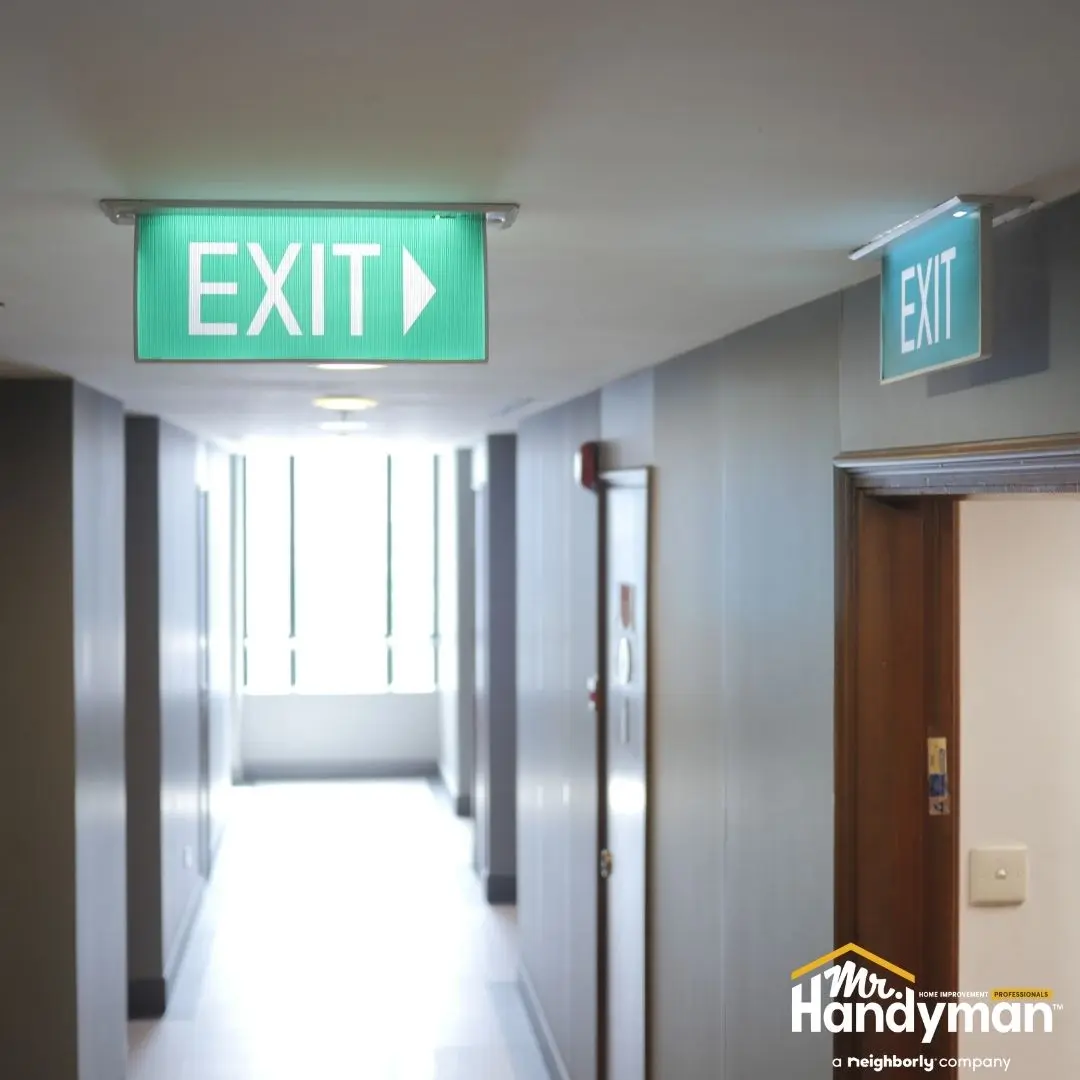
- Checking exit signage and emergency lighting
- Repairing damaged flooring or trip hazards
- Ensuring doors and locks function properly
Addressing these issues early protects employees, customers, and tenants while reducing liability exposure.
Interior Repairs That Impact Daily Operations
Interior spaces experience the most wear in commercial environments. High foot traffic, frequent use, and constant cleaning take a toll on finishes and fixtures.
Common interior commercial maintenance priorities include:
- Repairing drywall damage and scuffed walls
- Replacing damaged ceiling tiles
- Fixing doors that stick or fail to latch
- Addressing worn trim and baseboards
These repairs may seem minor, but they directly affect how professional and well-maintained a business appears.
Restrooms and Break Areas as Maintenance Priorities
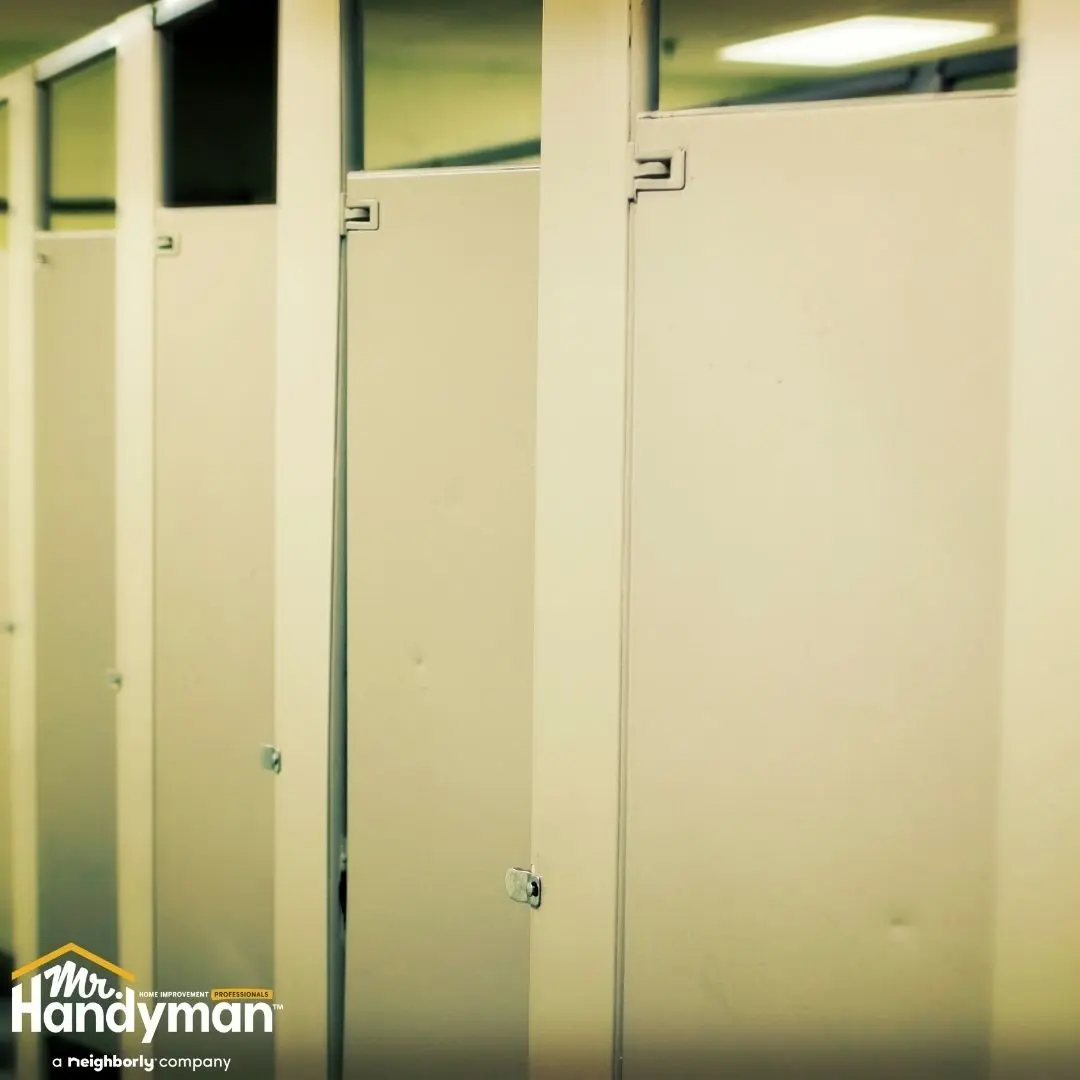
Restrooms and employee break areas are among the most heavily used spaces in any commercial building. Issues in these areas are noticed immediately and can affect morale and customer perception.
New year maintenance often focuses on:
- Repairing plumbing fixtures and leaks
- Replacing worn partitions or hardware
- Improving ventilation and lighting
- Addressing moisture damage or odors
In high-traffic facilities across North Charleston and Mount Pleasant, addressing restroom issues early helps prevent service disruptions and complaints.
Flooring and Surface Wear in Commercial Spaces
Flooring endures constant stress in commercial environments. Winter inspections often reveal damage that developed gradually over the previous year.
Flooring-related maintenance priorities include:
- Repairing loose tiles or damaged flooring sections
- Addressing uneven transitions between surfaces
- Replacing worn mats and entryway protections
- Improving slip resistance in high-risk areas
Proactive flooring maintenance improves safety and extends the lifespan of existing materials.
Lighting and Electrical Functionality
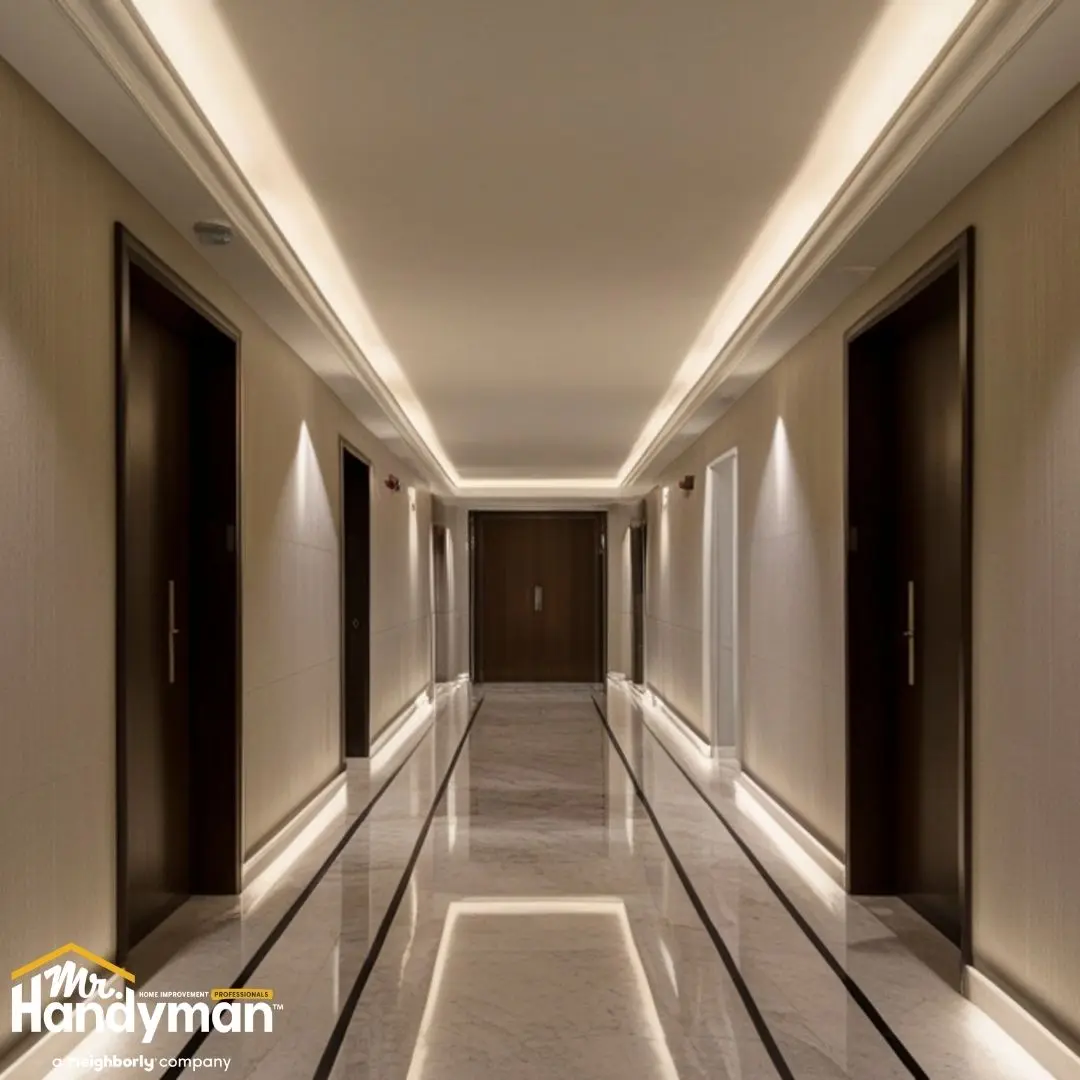
Lighting affects productivity, safety, and energy efficiency. Over time, lighting systems can become uneven, outdated, or unreliable.
New year lighting and electrical priorities often include:
- Replacing failing or inconsistent fixtures
- Improving lighting in work and customer areas
- Addressing outdated switches or controls
- Ensuring outlets and panels are accessible and functional
Better lighting enhances the overall environment while supporting efficient operations.
Doors, Windows, and Access Control
Commercial doors and windows are critical for security, energy efficiency, and accessibility. These components are used daily and often show wear by year’s end.
Maintenance priorities in this area include:
- Repairing misaligned or damaged doors
- Replacing worn weatherstripping
- Ensuring ADA compliance where required
- Addressing locks and access hardware
In business districts throughout Goose Creek and Hanahan, these upgrades support both security and professional appearance.
Storage, Organization, and Back-of-House Areas
Storage rooms, utility spaces, and back-of-house areas often receive less attention, yet they play a major role in daily operations.
Winter commercial maintenance is a good time to:
- Repair shelving and storage systems
- Improve organization for safety and efficiency
- Address damage in mechanical or utility rooms
- Ensure clear access to panels and equipment
Organized spaces reduce accidents, improve workflow, and support easier ongoing maintenance.
Preventative Maintenance Sets the Tone for the Year
The most effective commercial maintenance strategies focus on prevention rather than reaction. Addressing small issues early reduces emergency repairs, unplanned downtime, and budget overruns.
Understanding the Top Commercial Maintenance Priorities for the New Year in Charleston allows businesses to approach maintenance strategically. By focusing on safety, functionality, and appearance, organizations protect their investments and create environments that support productivity and customer confidence.
Taking action at the beginning of the year sets a strong foundation for smoother operations and fewer surprises in the months ahead.
Mid-Year Proofing Your Business Through Proactive Maintenance
Once immediate concerns are identified, the next step is prioritizing maintenance that prevents disruptions later in the year. The most effective commercial maintenance strategies look beyond short-term fixes and focus on systems and areas that directly impact operations, safety, and customer experience. Understanding the Top Commercial Maintenance Priorities for the New Year in Charleston means preparing facilities to perform reliably through peak seasons, inspections, and increased foot traffic.
In the Lowcountry, commercial properties face constant stress from humidity, frequent use, and seasonal demand shifts. Winter provides a valuable opportunity to strengthen buildings before spring and summer activity increases.
HVAC Performance and Indoor Comfort
While winters are mild, HVAC systems in Charleston work year-round. Heating, cooling, and air circulation all play a role in employee comfort, customer satisfaction, and equipment longevity.
New year HVAC-related priorities often include:
- Inspecting vents, grilles, and registers
- Ensuring thermostats are accurate and accessible
- Addressing uneven temperatures between spaces
- Checking for visible damage to vents or covers
Even when HVAC servicing is handled separately, commercial maintenance often addresses surrounding components that affect airflow and efficiency.
Moisture Control and Interior Protection
Humidity is one of the most persistent threats to commercial buildings in coastal South Carolina. Left unaddressed, moisture can damage finishes, compromise air quality, and create health concerns.
Proactive moisture-related maintenance includes:
- Repairing damaged drywall or ceiling tiles
- Resealing joints around sinks, counters, and restrooms
- Addressing condensation around windows and doors
- Improving ventilation in enclosed or high-humidity areas
These tasks protect interior surfaces and reduce long-term repair costs.
Exterior Touchpoints That Affect First Impressions
While winter is often focused on interior work, exterior touchpoints still deserve attention. These are the areas customers and tenants interact with first.
Key exterior maintenance priorities include:
- Repairing damaged siding or trim near entrances
- Addressing loose railings or stair components
- Ensuring signage is secure and visible
- Maintaining lighting near entryways
Even small exterior repairs contribute to a professional appearance and safer access.
Accessibility and ADA-Related Considerations
Commercial properties must remain accessible and compliant. Over time, wear and minor changes can create accessibility issues that go unnoticed.
New year is a practical time to review:
- Door clearances and hardware operation
- Handrail stability and placement
- Flooring transitions and ramps
- Restroom accessibility features
Addressing these concerns early helps businesses avoid compliance issues and supports inclusive access.
Workspaces and Employee Areas
Employee spaces are often overlooked in favor of customer-facing areas, yet they play a major role in productivity and morale. Winter maintenance planning should include these areas as well.
Common employee-area priorities include:
- Repairing break room cabinetry and fixtures
- Improving lighting in workspaces
- Addressing worn flooring or damaged walls
- Ensuring storage and utility areas are safe and organized
Well-maintained workspaces contribute to efficiency and reduce workplace hazards.
Electrical and Low-Voltage Components
Commercial environments rely on consistent electrical performance. Over time, outlets, switches, and covers can loosen or become damaged.
Maintenance tasks in this category often include:
- Replacing damaged outlet or switch covers
- Securing loose fixtures or wiring enclosures
- Ensuring access to panels remains clear
- Addressing visible wear in high-use areas
These tasks improve safety and reduce the risk of operational disruptions.
Preventing Small Issues From Becoming Downtime
Many commercial maintenance emergencies start as small, easily addressed issues. A loose door, slow leak, or damaged surface can escalate quickly when ignored.
Proactive winter maintenance helps businesses:
- Reduce unplanned closures
- Avoid emergency repair costs
- Protect equipment and inventory
- Maintain a professional environment
This preventative approach is especially valuable for retail, healthcare, and service-based businesses where downtime directly affects revenue.
Coordinating Maintenance Across Multiple Locations
For businesses with multiple locations, the new year is an ideal time to standardize maintenance priorities. Consistency improves efficiency and simplifies budgeting.
Benefits of coordinated maintenance include:
- Predictable repair schedules
- Consistent customer experience
- Easier compliance tracking
- Reduced long-term costs
Commercial maintenance planning during winter allows organizations to align priorities before peak operational periods.
Why Winter Planning Strengthens Year-Round Operations
Winter offers fewer distractions and a slower operational pace for many businesses. This makes it easier to schedule work, coordinate access, and complete repairs efficiently.
Understanding the Top Commercial Maintenance Priorities for the New Year in Charleston means using winter strategically. By focusing on systems, safety, and durability now, businesses reduce risk and position themselves for a smoother, more productive year.
Building a Long-Term Commercial Maintenance Strategy for the Year Ahead
The most effective commercial maintenance plans do not end once immediate repairs are completed. They evolve into ongoing strategies that support safe operations, protect assets, and reduce costly disruptions throughout the year. Understanding the Top Commercial Maintenance Priorities for the New Year in Charleston means using early planning to create a maintenance approach that is proactive rather than reactive.
In coastal South Carolina, commercial properties are exposed to constant environmental stress. Humidity, temperature changes, and heavy daily use all contribute to gradual wear. A long-term maintenance strategy helps businesses stay ahead of these challenges and maintain consistent performance across all spaces.
Shift From Reactive Repairs to Preventative Maintenance
One of the most important goals for the new year is reducing emergency repairs. Reactive maintenance is often more expensive, disruptive, and difficult to schedule.
A preventative maintenance mindset focuses on:
- Identifying recurring problem areas
- Addressing wear before failure occurs
- Scheduling regular inspections
- Tracking maintenance history
By addressing issues early, businesses minimize downtime and protect budgets from unexpected expenses.
Create a Maintenance Calendar That Aligns With Business Cycles
Not all maintenance needs to happen at once. Spreading tasks throughout the year reduces disruption and allows businesses to plan work during slower periods.
A practical maintenance calendar may include:
- Quarterly interior inspections
- Biannual safety and accessibility reviews
- Seasonal moisture and ventilation checks
- Annual deep maintenance projects
This structured approach ensures that important tasks are not overlooked as the year progresses.
Document Conditions and Improvements
Keeping clear records of maintenance activities helps businesses plan more effectively and identify patterns over time. Documentation supports accountability and simplifies future decision-making.
Helpful documentation practices include:
- Recording completed repairs and upgrades
- Tracking recurring issues
- Noting warranty or compliance requirements
- Maintaining before-and-after records
Well-documented maintenance improves budgeting accuracy and supports smoother inspections.
Budget Strategically for Ongoing Maintenance
One of the advantages of addressing maintenance early in the year is improved financial planning. When maintenance is predictable, budgets are easier to manage.
Strategic budgeting supports:
- Planned repairs instead of emergency costs
- Phased improvements over time
- Better allocation of resources
- Reduced financial surprises
Businesses that budget for maintenance proactively are better positioned to handle unexpected issues without major disruption.
Integrate Maintenance With Safety and Compliance Goals
Commercial maintenance plays a direct role in meeting safety and compliance standards. Regular inspections and timely repairs help businesses maintain safe environments for employees and customers.
Long-term strategies should include:
- Routine safety checks
- Ongoing ADA compliance reviews
- Regular inspection of high-risk areas
- Immediate correction of identified hazards
Integrating maintenance with compliance reduces liability and supports a safer workplace.
Standardize Maintenance Across Locations When Possible
For businesses with multiple properties, consistency is key. Standardizing maintenance practices simplifies scheduling, reduces confusion, and improves efficiency.
Benefits of standardized maintenance include:
- Uniform appearance across locations
- Consistent safety and accessibility standards
- Streamlined vendor coordination
- Easier performance evaluation
This approach supports brand consistency and operational efficiency.
Prepare Facilities for Seasonal Demands
Charleston’s business environment changes throughout the year. Tourist seasons, weather shifts, and customer traffic patterns all affect how buildings are used.
A long-term maintenance strategy anticipates these changes by:
- Preparing interiors for higher occupancy
- Addressing wear before peak seasons
- Improving ventilation and airflow
- Reinforcing high-traffic areas
Proactive preparation reduces stress on facilities during busy periods.
The Value of a Trusted Local Maintenance Partner
Working with a reliable local provider helps businesses maintain consistency and quality across maintenance tasks. Local professionals understand regional conditions and common building challenges.
A trusted maintenance partner provides:
- Familiarity with local building styles
- Knowledge of climate-related risks
- Consistent service standards
- Reliable response times
Businesses that work with Mr. Handyman of Charleston and Summerville benefit from local expertise that supports both short-term repairs and long-term planning.
Measure Success Through Reduced Disruptions
The success of a commercial maintenance strategy is measured by how smoothly operations run. Fewer emergency calls, fewer disruptions, and safer environments indicate that maintenance priorities are aligned correctly.
Signs of a successful strategy include:
- Reduced unplanned downtime
- Improved facility appearance
- Fewer safety incidents
- More predictable maintenance costs
These outcomes support stronger business performance throughout the year.
Setting the Tone for a Reliable, Well-Maintained Year
Understanding the Top Commercial Maintenance Priorities for the New Year in Charleston allows businesses to approach maintenance with intention and foresight. The new year is not just a checkpoint. It is an opportunity to build systems that support reliable operations, protect assets, and enhance the experience of everyone who uses the space.
By shifting focus to preventative care, strategic planning, and consistent execution, businesses create facilities that perform better and require fewer emergency interventions. With a clear plan in place and the right support, commercial maintenance becomes a strength rather than a source of stress, setting the stage for a productive and well-maintained year ahead.
Start the year strong with dependable commercial maintenance. Call or schedule service online for your business.