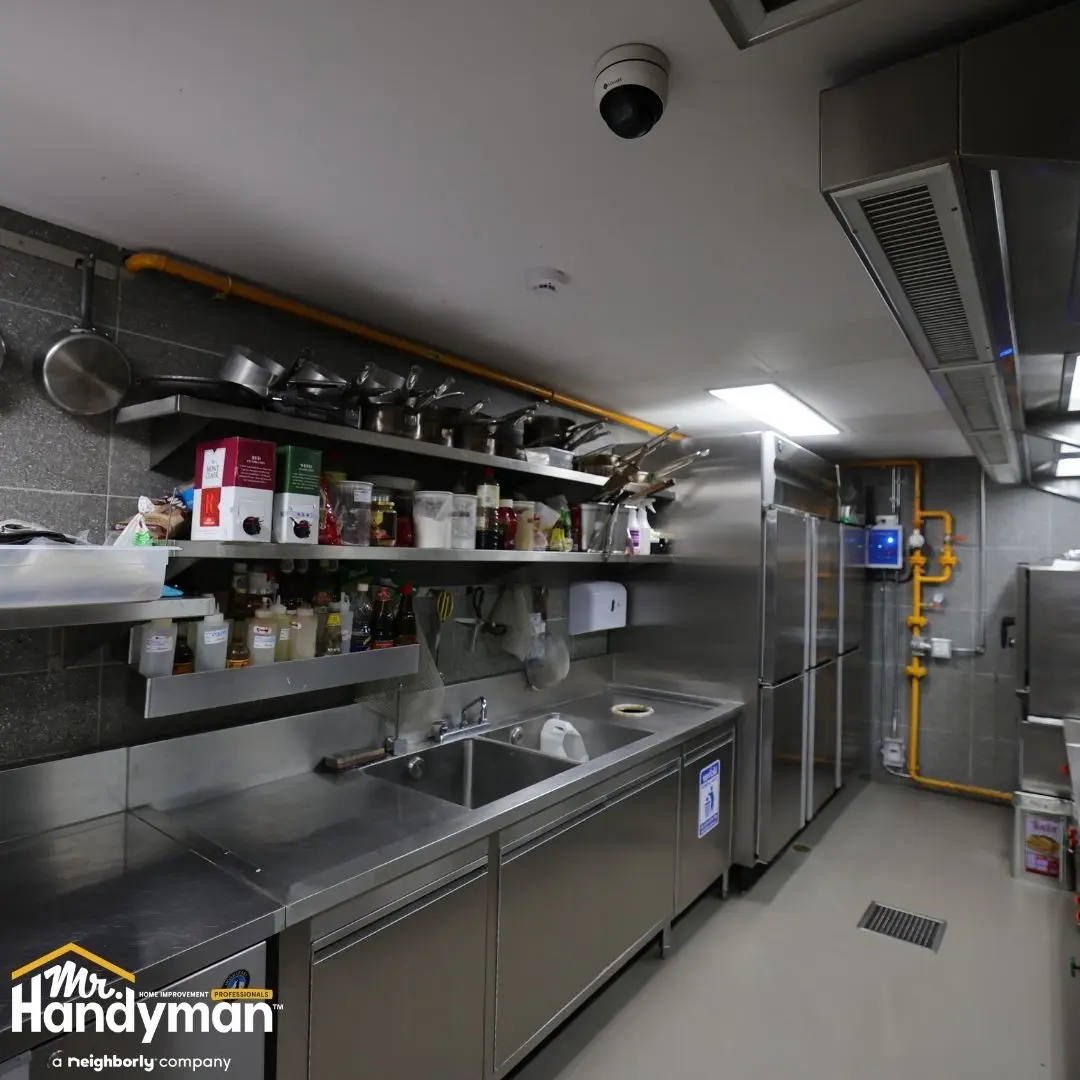
Unexpected repairs are one of the most expensive and disruptive challenges businesses face. Emergency service calls, unplanned downtime, and rushed repairs often cost significantly more than routine upkeep. How Businesses Can Reduce Repair Costs With Preventative Maintenance focuses on a proactive approach that helps commercial property owners and facility managers control expenses, extend the lifespan of building components, and maintain smooth daily operations throughout the year.
For businesses in Allentown, Bethlehem, Easton, and Nazareth, preventative maintenance is especially valuable due to seasonal weather changes, high foot traffic, and aging commercial buildings. Many costly repairs do not happen suddenly. They develop over time from small, manageable issues that were overlooked. Partnering with a dependable local provider like Mr. Handyman of Easton, Bethlehem, Nazareth & Allentown allows businesses to address these issues early and strategically. Understanding How Businesses Can Reduce Repair Costs With Preventative Maintenance begins with recognizing the true cost of reactive repairs.
The Real Cost of Reactive Repairs for Businesses
Reactive maintenance, also known as “run-to-failure” maintenance, occurs when repairs are only addressed after something breaks. While this approach may seem cost-effective in the short term, it often leads to significantly higher expenses over time.
Emergency repairs typically involve:
- Higher labor costs due to urgent scheduling
- Expedited material or part replacement
- Business downtime and lost productivity
- Increased risk of collateral damage
For example, a small plumbing leak left unattended can lead to water damage, mold remediation, flooring replacement, and potential business closure during repairs. What could have been a minor fix becomes a major expense.
Businesses across Allentown and Bethlehem frequently encounter this pattern. Understanding these risks reinforces why How Businesses Can Reduce Repair Costs With Preventative Maintenance is a critical strategy rather than an optional practice.
What Preventative Maintenance Really Means
Preventative maintenance is the practice of routinely inspecting, servicing, and repairing building components before failures occur. It focuses on identifying early signs of wear, adjusting systems for proper operation, and addressing minor issues before they escalate.
Unlike reactive maintenance, preventative maintenance is planned, scheduled, and predictable. It allows businesses to control timing, costs, and scope.
Core Elements of Preventative Maintenance
- Regular inspections of high-use components
- Minor repairs and adjustments performed early
- Scheduled servicing of critical systems
- Documentation and tracking of maintenance activities
This structured approach forms the foundation of How Businesses Can Reduce Repair Costs With Preventative Maintenance, giving business owners greater control over facility expenses.
High-Cost Repairs That Preventative Maintenance Helps Avoid

Many of the most expensive commercial repairs are preventable. Preventative maintenance targets the systems and components most likely to fail under daily use.
Common High-Cost Issues That Start Small
- Door and hardware failures caused by misalignment
- Plumbing leaks from worn seals or fittings
- Flooring damage from untreated moisture intrusion
- HVAC inefficiencies leading to system strain
- Electrical issues caused by loose or damaged components
In commercial environments throughout Easton and Nazareth, these issues often develop quietly. Preventative maintenance catches them early, dramatically reducing repair costs and operational disruption.
Protecting High-Traffic Areas From Accelerated Wear
Commercial properties experience far more wear than residential buildings. Entryways, corridors, restrooms, stairwells, and shared spaces are under constant stress from foot traffic, carts, equipment, and environmental exposure.
Preventative maintenance in these areas includes:
- Inspecting flooring transitions and stair components
- Adjusting doors and closers for proper operation
- Repairing minor wall and corner damage
- Replacing worn hardware before failure
By maintaining these high-traffic zones, businesses reduce the likelihood of major repairs and liability claims. This proactive care is central to How Businesses Can Reduce Repair Costs With Preventative Maintenance.
Extending the Lifespan of Building Components
One of the most significant financial benefits of preventative maintenance is extended asset lifespan. Building components such as doors, fixtures, flooring, and interior finishes last longer when they are properly maintained.
Small adjustments and timely repairs can:
- Delay costly replacements
- Preserve manufacturer warranties
- Improve system efficiency
- Reduce total lifecycle costs
Replacing components prematurely is far more expensive than maintaining them properly. This long-term savings perspective is a core principle of How Businesses Can Reduce Repair Costs With Preventative Maintenance.
Reducing Emergency Service Calls and Downtime
Emergency repairs are disruptive by nature. They often require immediate attention, disrupt operations, and create stress for staff and customers. Preventative maintenance significantly reduces the frequency of these emergencies.
Businesses that implement preventative maintenance experience:
- Fewer surprise breakdowns
- More predictable maintenance schedules
- Less interruption to operations
- Better customer and employee experiences
Reducing downtime directly protects revenue, making preventative maintenance a sound financial strategy. This operational stability further explains How Businesses Can Reduce Repair Costs With Preventative Maintenance.
Preventative Maintenance Supports Budget Predictability
Unplanned repairs make budgeting difficult. Costs fluctuate unpredictably, making it hard to allocate resources effectively. Preventative maintenance transforms maintenance spending into a predictable, manageable expense.
Benefits include:
- Easier annual budgeting
- Better cash flow management
- Fewer unexpected expenses
- Improved financial forecasting
For businesses managing multiple locations or large facilities, this predictability is invaluable. Budget control is a major reason How Businesses Can Reduce Repair Costs With Preventative Maintenance resonates with property managers and business owners alike.
Why Professional Preventative Maintenance Matters
While some maintenance tasks may seem simple, professional oversight ensures issues are identified correctly and addressed safely. Commercial buildings involve complex systems and compliance considerations that require experienced evaluation.
Working with Mr. Handyman of Easton, Bethlehem, Nazareth & Allentown gives businesses access to skilled professionals who understand commercial maintenance demands. Professional services help ensure preventative maintenance is thorough, consistent, and aligned with operational needs.
Preventative maintenance is not about spending more money. It is about spending money wisely. By focusing on early intervention, routine inspections, and planned repairs, businesses gain control over maintenance costs and reduce the risk of expensive emergencies. How Businesses Can Reduce Repair Costs With Preventative Maintenance starts with a proactive mindset that protects both facilities and the bottom line.
Key Preventative Maintenance Areas That Deliver the Greatest Cost Savings
Not all maintenance tasks provide the same return on investment. One of the most important principles behind How Businesses Can Reduce Repair Costs With Preventative Maintenance is focusing attention on the systems and components that fail most often and cause the greatest disruption when they do. By prioritizing high-impact areas, businesses can significantly reduce repair expenses while improving reliability.
In commercial buildings throughout Allentown, Bethlehem, Easton, and Nazareth, preventative maintenance efforts are most effective when they target high-use, high-risk components first.
Doors, Hardware, and Access Points
Doors are among the most frequently used elements in any commercial space. Misalignment, worn hinges, and failing closers often start as minor issues but can quickly escalate into door replacement, security risks, or ADA compliance problems.
Preventative maintenance for doors includes:
- Adjusting hinges and closers for smooth operation
- Tightening loose hardware before it fails
- Replacing worn handles, locks, or panic bars early
- Addressing drafts and frame movement
Routine door maintenance reduces emergency lockouts, improves security, and extends the lifespan of door systems. This makes door care a cornerstone of How Businesses Can Reduce Repair Costs With Preventative Maintenance.
Plumbing Systems and Water-Related Components
Water damage is one of the most expensive repair categories for commercial properties. Small leaks, slow drains, and worn seals often go unnoticed until they cause significant damage to flooring, walls, and inventory.
Preventative plumbing maintenance focuses on early detection and minor repairs.
High-Value Plumbing Maintenance Tasks
- Inspecting fixtures for slow leaks or corrosion
- Replacing worn seals, washers, and supply lines
- Addressing slow drains before clogs develop
- Checking shutoff valves for proper operation
Businesses in Easton and Nazareth frequently benefit from proactive plumbing maintenance, as older buildings often contain aging pipes and fixtures. Plumbing upkeep is a major driver of cost savings within How Businesses Can Reduce Repair Costs With Preventative Maintenance.
Flooring, Walls, and Interior Surfaces
Interior surfaces experience constant wear in commercial environments. Flooring damage, wall impact marks, and loose trim may seem cosmetic, but they often lead to safety hazards and more extensive repairs if ignored.
Preventative maintenance in this area includes:
- Repairing small flooring defects before they spread
- Securing loose transitions and thresholds
- Addressing wall damage early to avoid full replacements
- Replacing damaged ceiling tiles promptly
These repairs protect against trip hazards and reduce the likelihood of costly liability claims. Interior surface care is an essential part of How Businesses Can Reduce Repair Costs With Preventative Maintenance.
Lighting, Electrical, and Safety Systems
Electrical and lighting issues often begin with subtle warning signs. Flickering lights, loose outlets, and damaged fixtures can escalate into safety hazards or system failures.
Preventative electrical maintenance focuses on identifying and correcting these early indicators.
Electrical Maintenance Tasks With Strong ROI
- Replacing failing light fixtures before burnout
- Securing loose outlets and switch plates
- Inspecting exposed wiring or damaged covers
- Testing emergency and exit lighting regularly
Maintaining these systems reduces emergency electrical calls and supports compliance requirements. Electrical upkeep is another key element of How Businesses Can Reduce Repair Costs With Preventative Maintenance.
HVAC-Related Interior Maintenance
While full HVAC servicing may be handled by specialized contractors, many related components fall under general maintenance and directly affect system efficiency.
Preventative HVAC-related tasks include:
- Inspecting vents and diffusers for damage
- Repairing access panels and enclosures
- Sealing gaps around duct penetrations
- Ensuring thermostats are protected and properly mounted
These tasks reduce system strain and improve climate consistency, which helps avoid expensive HVAC failures. This proactive approach reinforces How Businesses Can Reduce Repair Costs With Preventative Maintenance.
High-Traffic and Customer-Facing Areas
Customer-facing spaces experience accelerated wear, making preventative maintenance especially important. Addressing issues early protects brand image and prevents disruptions during business hours.
Preventative Tasks for High-Traffic Areas
- Repairing worn entry flooring and mats
- Adjusting doors to prevent sticking or slamming
- Addressing minor damage before it becomes noticeable
- Improving lighting consistency
Preventative attention in these areas helps businesses avoid visible deterioration that can affect customer confidence. This focus is central to How Businesses Can Reduce Repair Costs With Preventative Maintenance.
Why Small Fixes Create Big Savings
The common thread across all preventative maintenance areas is early intervention. Small fixes performed at the right time prevent failures that require major repairs, replacement, or business interruption.
Businesses that consistently apply How Businesses Can Reduce Repair Costs With Preventative Maintenance:
- Spend less on emergency repairs
- Extend the lifespan of assets
- Maintain safer facilities
- Operate with fewer disruptions
By focusing preventative efforts on the highest-impact systems, businesses turn maintenance into a cost-control strategy rather than a recurring expense.
Building a Preventative Maintenance Plan That Actually Works

Understanding How Businesses Can Reduce Repair Costs With Preventative Maintenance is only valuable if the strategy is implemented consistently. The most effective preventative maintenance programs are structured, documented, and aligned with how the business operates day to day. Without a plan, even well-intentioned maintenance efforts tend to become reactive over time.
A successful preventative maintenance plan focuses on regular evaluation, clear priorities, and realistic scheduling. It does not require shutting down operations or overhauling systems all at once. Instead, it emphasizes steady, manageable improvements.
Core Elements of an Effective Maintenance Plan
- A clear list of high-priority systems and components
- Routine inspection schedules based on usage and risk
- Documentation of completed work and identified issues
- Defined response procedures for emerging problems
These elements ensure maintenance is proactive rather than dependent on memory or crisis response. Planning is a central theme in How Businesses Can Reduce Repair Costs With Preventative Maintenance.
Scheduling Maintenance Around Business Operations
One of the biggest concerns businesses have about preventative maintenance is disruption. The reality is that planned maintenance causes far less disruption than emergency repairs. With proper scheduling, most tasks can be completed during off-hours, slower business periods, or in phases.
Effective scheduling strategies include:
- Grouping similar tasks into single visits
- Prioritizing high-risk areas first
- Performing routine inspections during low-traffic hours
- Addressing minor issues before they affect operations
Businesses in Allentown, Bethlehem, Easton, and Nazareth often find that predictable maintenance windows reduce stress for staff and customers alike. This operational flexibility supports the goals of How Businesses Can Reduce Repair Costs With Preventative Maintenance.
Tracking Maintenance to Prevent Repeat Problems
One of the most overlooked aspects of preventative maintenance is tracking. Without records, businesses may repeatedly fix symptoms without addressing root causes. Tracking maintenance history provides insight into patterns of wear, recurring failures, and components nearing the end of their lifespan.
Benefits of tracking maintenance include:
- Identifying components that require upgrades
- Avoiding repeated temporary fixes
- Improving budget forecasting
- Supporting compliance documentation
Even simple tracking methods provide valuable insight. Documentation strengthens the long-term effectiveness of How Businesses Can Reduce Repair Costs With Preventative Maintenance.
Training Staff to Identify Early Warning Signs
Employees and on-site staff are often the first to notice small problems. Dripping faucets, flickering lights, sticking doors, or unusual noises are early warning signs that should trigger maintenance, not be ignored.
Encouraging staff to report issues early helps businesses:
- Address problems before escalation
- Reduce emergency repairs
- Improve safety and comfort
- Extend the lifespan of systems
This collaborative approach reinforces How Businesses Can Reduce Repair Costs With Preventative Maintenance by turning daily observations into actionable insights.
Balancing In-House Efforts With Professional Support
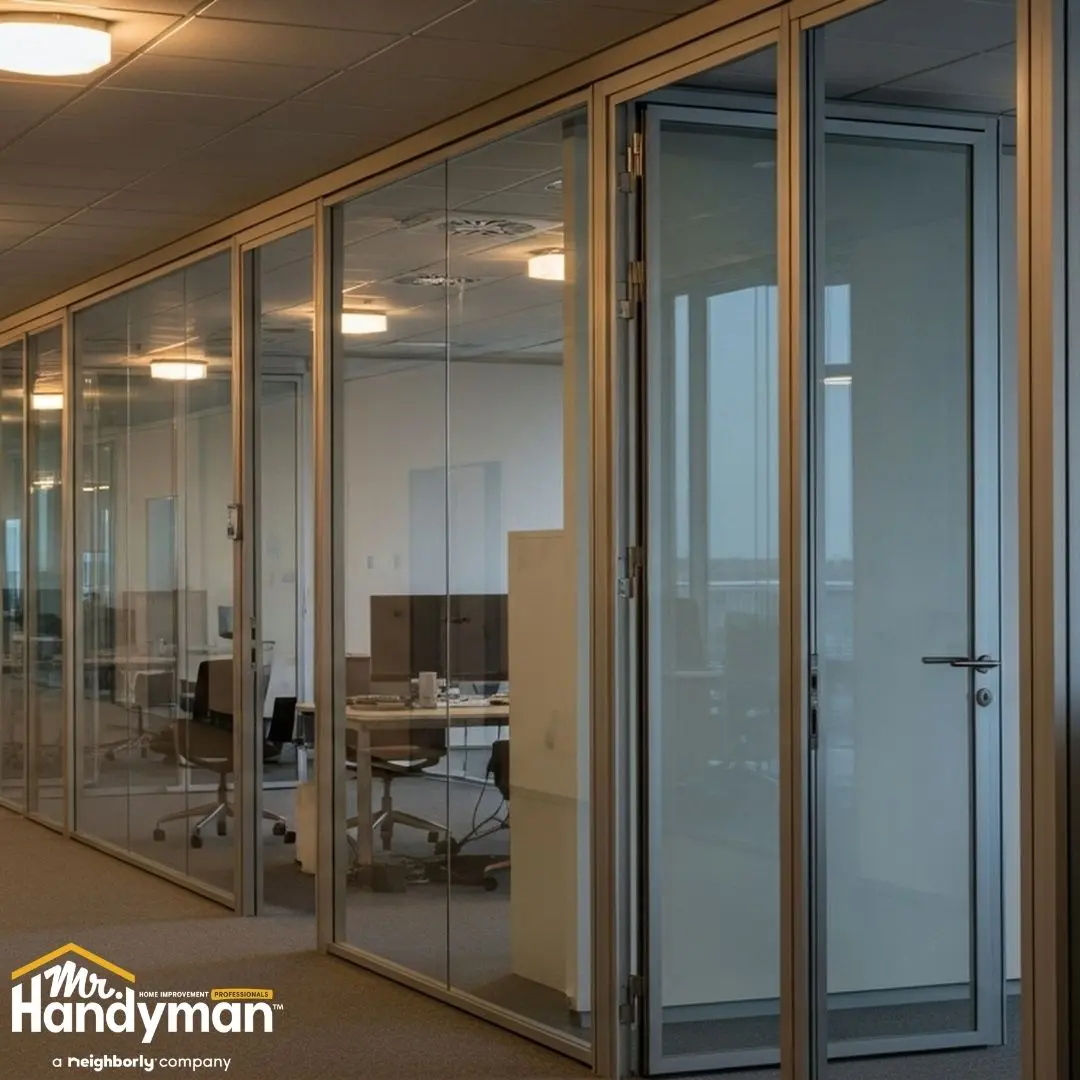
While some preventative maintenance tasks can be handled in-house, many require professional expertise. Commercial buildings involve systems and components that must meet safety, accessibility, and performance standards.
Professional maintenance support provides:
- Accurate identification of underlying issues
- Proper repairs that meet code requirements
- Consistent service quality
- Reduced risk of improper fixes
Working with Mr. Handyman of Easton, Bethlehem, Nazareth & Allentown gives businesses access to experienced professionals who understand the demands of commercial maintenance. Professional services help ensure How Businesses Can Reduce Repair Costs With Preventative Maintenance is implemented correctly and consistently.
Preventative Maintenance as a Long-Term Cost Strategy
Preventative maintenance is not a one-time initiative. It is an ongoing strategy that evolves as buildings age and business needs change. When approached as a long-term investment, maintenance delivers compounding returns.
Long-term benefits include:
- Lower total cost of ownership for facilities
- Improved reliability of critical systems
- Fewer operational interruptions
- Stronger control over maintenance budgets
Businesses that commit to How Businesses Can Reduce Repair Costs With Preventative Maintenance move from reacting to problems to preventing them altogether.
Creating a Culture of Proactive Maintenance
The most successful businesses treat maintenance as a core operational priority rather than an afterthought. When leadership supports proactive maintenance, teams follow suit, and facilities remain in better condition year after year.
This culture shift results in:
- Fewer emergency calls
- Safer, more professional environments
- Better customer and employee experiences
- Stronger financial performance
Why Preventative Maintenance Is One of the Smartest Business Investments
Every business wants to reduce costs without sacrificing quality or safety. Preventative maintenance accomplishes exactly that by addressing problems early, extending asset lifespan, and stabilizing operational expenses.
By implementing the principles outlined in How Businesses Can Reduce Repair Costs With Preventative Maintenance, businesses protect their facilities, support their teams, and strengthen their bottom line. Preventative maintenance is not an added expense. It is a strategic investment that pays dividends throughout the year and beyond.
When businesses plan ahead, track progress, and partner with reliable professionals, maintenance becomes a tool for growth rather than a source of stress.
Prevent costly repairs before they happen. Schedule preventative maintenance online at https://www.mrhandyman.com/request-service/ or call today.