Middle Tennessee's Rainfall Pattern Creates Specific Backflow Risks
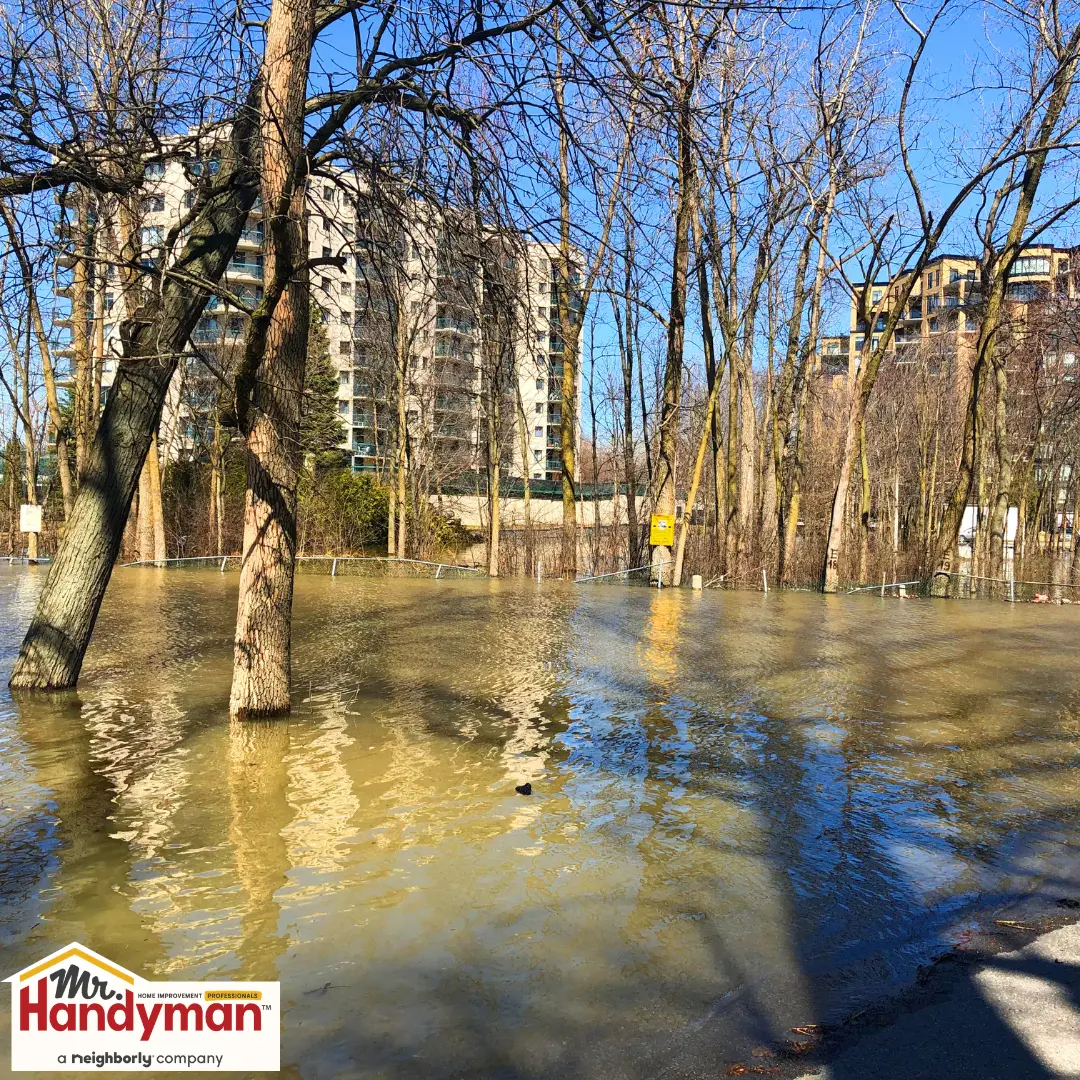
The heavy rain events that Murfreesboro, Franklin, and Brentwood experience through the spring severe weather season and the summer storm pattern that follows create the specific pressure conditions in residential plumbing systems and the municipal sewer infrastructure beneath these communities that backflow prevention devices exist to address. This is not a theoretical concern calibrated to exceptional weather events. It is a practical consideration shaped by Middle Tennessee's rainfall intensity, the clay-dominant soil profiles that underlie much of Rutherford County and Williamson County, and the sewer infrastructure serving the established neighborhoods of these rapidly growing communities.
Backflow occurs when the pressure relationships in a plumbing system reverse from their intended direction, allowing water, contaminants, or both to move backward from connected systems into the household supply lines or the municipal distribution system they connect to. In Murfreesboro, Franklin, and Brentwood, the concentrated rainfall that organized Middle Tennessee storm systems deliver creates the specific pressure conditions that make backflow from irrigation systems, outdoor connections, and stressed sewer infrastructure a realistic household water quality concern during and immediately following significant storm events.
The growth that all three communities have experienced in recent decades creates a specific backflow risk dimension that stable-population markets do not share at the same intensity. Infrastructure serving rapidly developing communities manages the combination of older municipal systems serving established neighborhoods and the newer developments whose drainage contributions test the combined system during significant storm events in ways that more gradual development would have allowed infrastructure investment to pace. Murfreesboro's position as one of Tennessee's fastest-growing cities, Franklin's continued residential and commercial expansion across Williamson County's eastern corridors, and Brentwood's established premium residential character combined with ongoing infill development all create the infrastructure loading conditions that backflow protection addresses at the household level.
How Middle Tennessee Rainfall Creates Backflow Scenarios
Back-siphonage from municipal supply pressure drops during significant Middle Tennessee storm events creates the vacuum that draws water backward from connected systems into the household supply when conditions reduce municipal supply pressure below the level that normal operations maintain. Middle Tennessee's significant spring storms can produce the concentrated municipal water demand that communities draw during emergency responses and storm preparation, the water main stress that ground movement from saturated clay soils creates in municipal distribution infrastructure, and the pressure fluctuations that combined system demands during major storm events produce in the distribution lines serving Murfreesboro, Franklin, and Brentwood neighborhoods.
Backpressure from irrigation systems during Middle Tennessee storm events creates the risk that irrigation systems equipped with booster pumps or operating under certain pressure conditions can exceed household supply pressure, forcing water backward from the irrigation system into the household supply through the connection that the irrigation system makes to that supply. In Murfreesboro, Franklin, and Brentwood where residential irrigation systems are common in the single-family residential landscape that defines these communities, the pressure relationships during storm events that also affect supply pressure create the backflow scenarios that backflow prevention devices specifically address.
Middle Tennessee's clay soil saturation and sewer surcharging during significant storm events creates the backflow risk from the sewer side that the previous section discussed and that is relevant here as a backflow concern in the broader water quality sense. When saturated clay soils in Rutherford County and Williamson County concentrate storm runoff against sewer infrastructure that is simultaneously managing peak household flow from weather-activated use patterns, the pressure conditions that develop in underground sewer systems can force contaminated water and sewer gas backward through household drain connections in ways that represent the same water quality and occupant safety concern that potable supply backflow creates through a different pathway.
Irrigation Systems and Backflow in the Middle Tennessee Residential Market
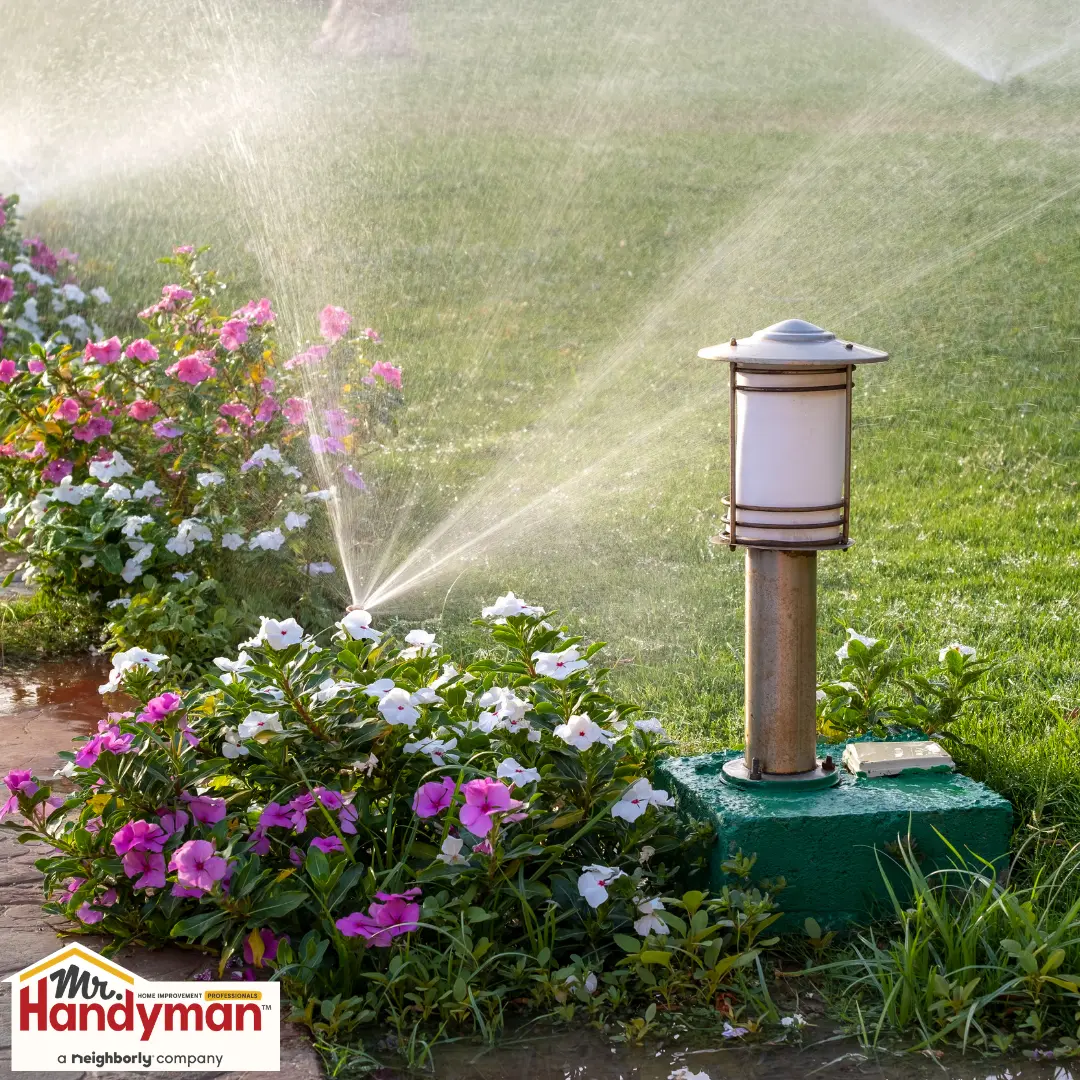
The residential irrigation culture in Murfreesboro, Franklin, and Brentwood creates the most concentrated residential backflow risk category in this market because of the prevalence of irrigation systems in the premium and established residential landscape these communities carry, the timing of irrigation system spring activation relative to the active storm season, and the water quality implications of irrigation backflow in the specific landscape chemistry context that Middle Tennessee residential properties create.
Tennessee's residential irrigation water quality context makes backflow protection particularly important in Murfreesboro, Franklin, and Brentwood because the irrigation water that has been applied to the lawns, landscape beds, and garden areas of these properties has been in contact with the fertilizers, herbicides, and biological material that Middle Tennessee's active growing season sustains in residential landscapes at levels that the region's rainfall and warm temperatures create. A backflow event that draws this irrigation system water backward into the household supply introduces the chemical and biological content of the residential landscape into the drinking water supply in ways that treatment at the household faucet does not address.
The spring irrigation startup timing in Murfreesboro, Franklin, and Brentwood coincides directly with the most active period of Middle Tennessee's spring storm season. Homeowners starting their irrigation systems in March and April are activating those connections during the same weeks when Middle Tennessee's organized storm systems most frequently create the supply pressure fluctuations and sewer system stress that backflow risk conditions require. The intersection of irrigation activation and storm season activity makes spring irrigation startup assessment that confirms backflow preventer function the most appropriately timed annual maintenance in the Middle Tennessee residential market.
Backflow Prevention Devices and Their Middle Tennessee Applications

The backflow prevention devices appropriate for Murfreesboro, Franklin, and Brentwood residential applications reflect the specific contamination risks and pressure conditions that Middle Tennessee's storm season, the clay soil dynamics of Rutherford County and Williamson County, and the irrigation systems common in the premium residential landscape these communities support create in household plumbing connections.
Atmospheric vacuum breakers at outdoor hose bib connections provide the first-line back-siphonage protection that Middle Tennessee outdoor plumbing specifically requires during the spring storm season when municipal supply pressure fluctuations from storm-related system demands create the conditions that back-siphonage requires to draw contaminated water toward the household supply. The atmospheric vacuum breaker allows air to enter the supply line when pressure drops, breaking the siphon that would otherwise pull connected hose or irrigation water backward. In Middle Tennessee's residential context, where spring irrigation activation coincides with the storm season that creates supply pressure variations, an atmospheric vacuum breaker on every outdoor hose bib provides the basic protection standard that the specific risk profile of Middle Tennessee's outdoor water connections warrants.
Pressure vacuum breakers for irrigation mainline connections are the device specification that Tennessee's cross-connection control requirements and the Middle Tennessee residential market's irrigation system prevalence establish as the appropriate protection for residential irrigation system connections to household water supply. A pressure vacuum breaker remains under continuous system pressure, making it appropriate for the mainline irrigation connection that an atmospheric vacuum breaker cannot serve. The above-grade installation position that pressure vacuum breakers typically occupy in Murfreesboro, Franklin, and Brentwood residential applications requires the seasonal assessment that Middle Tennessee's occasional winter freeze events make necessary for these exposed devices.
Pressure vacuum breaker protection from Middle Tennessee freeze events is a regional maintenance consideration that the region's generally mild climate makes easy to overlook. A pressure vacuum breaker installed in an above-grade position at the irrigation system connection is exposed to the hard freeze events that Middle Tennessee's winters deliver without the reliable timing that colder markets use to build protection habits around. Pressure vacuum breakers in Murfreesboro, Franklin, and Brentwood irrigation applications should be confirmed drained before Middle Tennessee's first significant freeze event rather than assumed protected by the mild climate that the region typically delivers but does not guarantee.
Sewer backflow prevention for Murfreesboro and Franklin area homes in established neighborhoods served by infrastructure that significant storm events have demonstrated to be susceptible to surcharging addresses the backflow risk from the sewer side that Middle Tennessee's concentrated spring rainfall creates in the underground infrastructure beneath older residential corridors. A properly specified backflow prevention valve in the home's sewer lateral intercepts the surcharging pressure that storm events generate before it reaches the household fixtures where backup produces the property damage that finished and actively maintained Murfreesboro, Franklin, and Brentwood homes are particularly vulnerable to given the investment those properties typically represent.
Post-Storm Backflow Assessment in Middle Tennessee
Immediate post-storm assessment following significant Middle Tennessee rainfall events evaluates the pressure vacuum breaker condition, confirms that the irrigation system backflow preventer is seating correctly, and checks for any visible damage to above-grade irrigation components that the storm event's wind loading or physical debris may have produced. In Middle Tennessee's spring storm season, the same organized storm systems that create the supply pressure conditions most likely to test backflow prevention devices also deliver the wind and physical impact that can affect the above-grade irrigation components that backflow preventers typically serve.
Water quality awareness following Middle Tennessee storm events that produced the specific conditions suggesting potential backflow, including supply pressure drops noticed during the storm, basement floor drain backup from sewer surcharging, or irrigation system activation during a period when supply pressure anomalies were occurring, warrants professional water quality assessment before household water is used for consumption without the confirmation that no contamination entered the supply.
Documentation of storm events and system performance creates the maintenance record that responsible backflow prevention management produces in Murfreesboro, Franklin, and Brentwood homes whose irrigation systems and outdoor plumbing connections represent ongoing cross-connection management obligations. A homeowner who documents spring startup confirmation of backflow preventer function, notes the storm events whose conditions were most demanding, and records any post-storm assessment findings maintains the awareness of their specific system's performance history that professional assessment and eventual device replacement decisions are most reliably informed by.
Tennessee Cross-Connection Control Requirements
Tennessee's regulatory framework for residential cross-connection control establishes the requirements within which municipal utilities in Murfreesboro, Franklin, and Brentwood develop their specific residential backflow prevention programs. The Tennessee Department of Environment and Conservation's regulations governing cross-connection control create the baseline that local utilities administer through their specific residential requirements for irrigation system backflow prevention.
Murfreesboro's Water Resources Department and the Williamson County utility systems serving Franklin and Brentwood residential properties administer the cross-connection control requirements that apply to residential irrigation connections in these communities. Homeowners installing new irrigation systems or modifying existing systems should confirm that the backflow preventer specified meets the current requirements of the specific utility serving their property rather than assuming that any backflow device present satisfies current compliance standards.
Annual testing requirements for specific backflow prevention device types apply in some Tennessee commercial applications and in residential applications with higher-hazard connections. Homeowners with devices requiring certified annual testing should confirm that their documentation is current before the irrigation season that spring activates, because lapsed testing creates both the compliance concern and the protection uncertainty that current testing documentation resolves.
Frequently Asked Questions
How do I know if my Murfreesboro or Franklin irrigation system has adequate backflow prevention? Locate the point where the irrigation system connects to the household water supply, typically near the water meter or at the point of supply line connection that the irrigation system draws from. A pressure vacuum breaker will be visible as a vertical device with a bonnet that opens to atmosphere, installed on the irrigation mainline above the highest point in the system. If no backflow preventer is present at this connection, or if the device appears damaged, non-functional, or was installed before current local utility requirements were established, professional irrigation system assessment confirms whether the connection meets the cross-connection control requirements that Murfreesboro's and Williamson County's utilities administer.
Should I be concerned about water quality after a significant Middle Tennessee spring storm if my home has an irrigation system? Homes with irrigation systems activated during or near a significant Middle Tennessee storm event that produced the supply pressure fluctuations that concentrated storm demands create warrant the post-storm backflow preventer assessment that confirms the device functioned correctly. If any of the specific backflow indicators, including supply pressure drops during the storm or irrigation system behavior anomalies coinciding with pressure fluctuations, were present during the event, professional water quality testing provides the confirmation that no contamination entered the household supply before consumption resumes without concern.
How often should residential backflow prevention devices be inspected in Murfreesboro, Franklin, and Brentwood? Annual inspection at spring irrigation startup, combined with post-storm assessment following significant Middle Tennessee weather events, represents the appropriate inspection frequency for residential backflow prevention devices in this market. Middle Tennessee's spring storm season activity and the irrigation season startup that coincides with it create the most concentrated backflow risk period of the year, and spring inspection timing that confirms device function before that period rather than during or after it provides the protection assurance that the season's conditions specifically require.
What are the signs that a pressure vacuum breaker in a Middle Tennessee irrigation system has failed? A pressure vacuum breaker that has failed may allow water to leak continuously from the bonnet, may not pass water through the irrigation system when activated, or may produce the chattering sound that a partially functioning internal check creates during system pressurization. Physical damage from storm debris impact, housing cracks from Middle Tennessee freeze events that the device was not protected from, and bonnet components that no longer seat correctly are the visible failure modes that post-storm and post-freeze inspection identifies. Any of these conditions warrants professional device assessment and replacement before the irrigation season places ongoing demand on a device whose protective function has been compromised.
Does Murfreesboro's rapid growth affect backflow risk compared to more established Tennessee communities? Murfreesboro's rapid population growth and the corresponding infrastructure development demands that the city has been managing create the distribution system conditions that growth-related pressure variations produce in municipal water supply networks. A rapidly growing municipal system managing new development connections, infrastructure expansion projects, and the demand peaks that a growing population creates experiences more pressure variation in its distribution network than stable-population systems managing steady-state demand. Those variations create more frequent conditions for the back-siphonage mechanism that backflow prevention specifically addresses, making the device maintenance and annual function confirmation that responsible backflow management requires proportionally more important in rapidly growing communities like Murfreesboro than in stable-demand municipal systems.
Protected Household Water Through Every Middle Tennessee Storm Season
The backflow prevention devices protecting Murfreesboro, Franklin, and Brentwood residential water supplies from the contamination scenarios that Middle Tennessee's concentrated spring rainfall creates are accessible components whose maintenance requires the annual attention that spring irrigation startup provides the natural timing for, the seasonal assessment that Middle Tennessee's winter freeze events create for above-grade components, and the post-storm evaluation that significant weather events specifically warrant. That maintenance, performed consistently and with the regional climate awareness that Middle Tennessee's specific storm season and freeze event timing requires, converts the backflow risk that the region's weather creates from a water quality exposure to a managed condition.
The team at Mr. Handyman of Murfreesboro, Franklin, and Brentwood has the experience to assess your home's backflow prevention, confirm device function, and address the irrigation and outdoor plumbing connections that Middle Tennessee's spring storms most directly test.
Website: https://www.mrhandyman.com/murfreesboro-smyrna/
Serving homeowners throughout Murfreesboro, Franklin, and Brentwood with dependable service and the expertise your home deserves.