
Middle Tennessee Makes the Case for Sustainable Plumbing Particularly Compelling
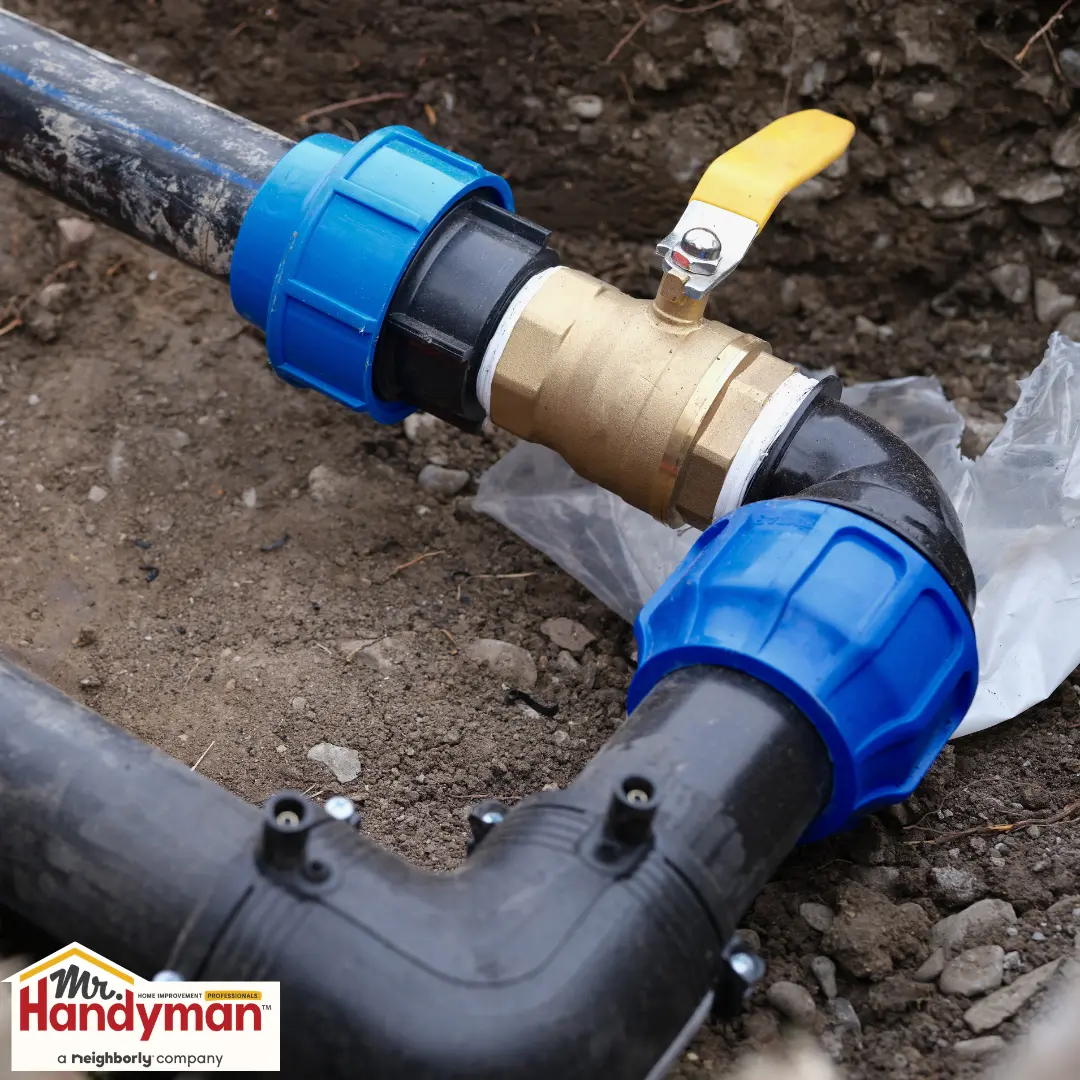
Earth Month conversations about residential sustainability resonate differently in communities that are experiencing the infrastructure pressures that Murfreesboro, Franklin, and Brentwood have been managing through years of sustained population growth. When a city like Murfreesboro has been among Tennessee's fastest-growing communities for over a decade, the water infrastructure investment that growth demands, the utility rate trajectory that infrastructure expansion creates, and the resource consumption implications of a rapidly growing residential base all give the water and energy efficiency conversation a practical local dimension that stable-population markets experience less directly.
Middle Tennessee's sustainability context is not abstract. It is the Murfreesboro Water Resources Department managing the infrastructure investment that population growth requires. It is the Middle Tennessee Electric Membership Corporation and Nashville Electric Service managing the generation and distribution demands that residential growth across Rutherford County and Williamson County creates. And it is the individual homeowner in Murfreesboro, Franklin, or Brentwood whose monthly utility bills reflect the rate structures that growing infrastructure demands sustain and whose household plumbing efficiency choices either contribute to or reduce the per-household consumption that collectively shapes how quickly infrastructure investment is required.
The eco-friendly plumbing upgrades that deliver genuine environmental and financial returns in this specific market are those that account for Middle Tennessee's growth context, the water chemistry that regional geology delivers to household plumbing systems, and the climate conditions that the region's warm, humid seasons create for water heating efficiency in ways that moderate or cold-climate sustainability guidance does not address with the same regional specificity. Spring and Earth Month provide both the motivation and the practical timing that converting sustainability awareness into actual installation delivers most effectively.
Water Efficiency: The Middle Tennessee Opportunity
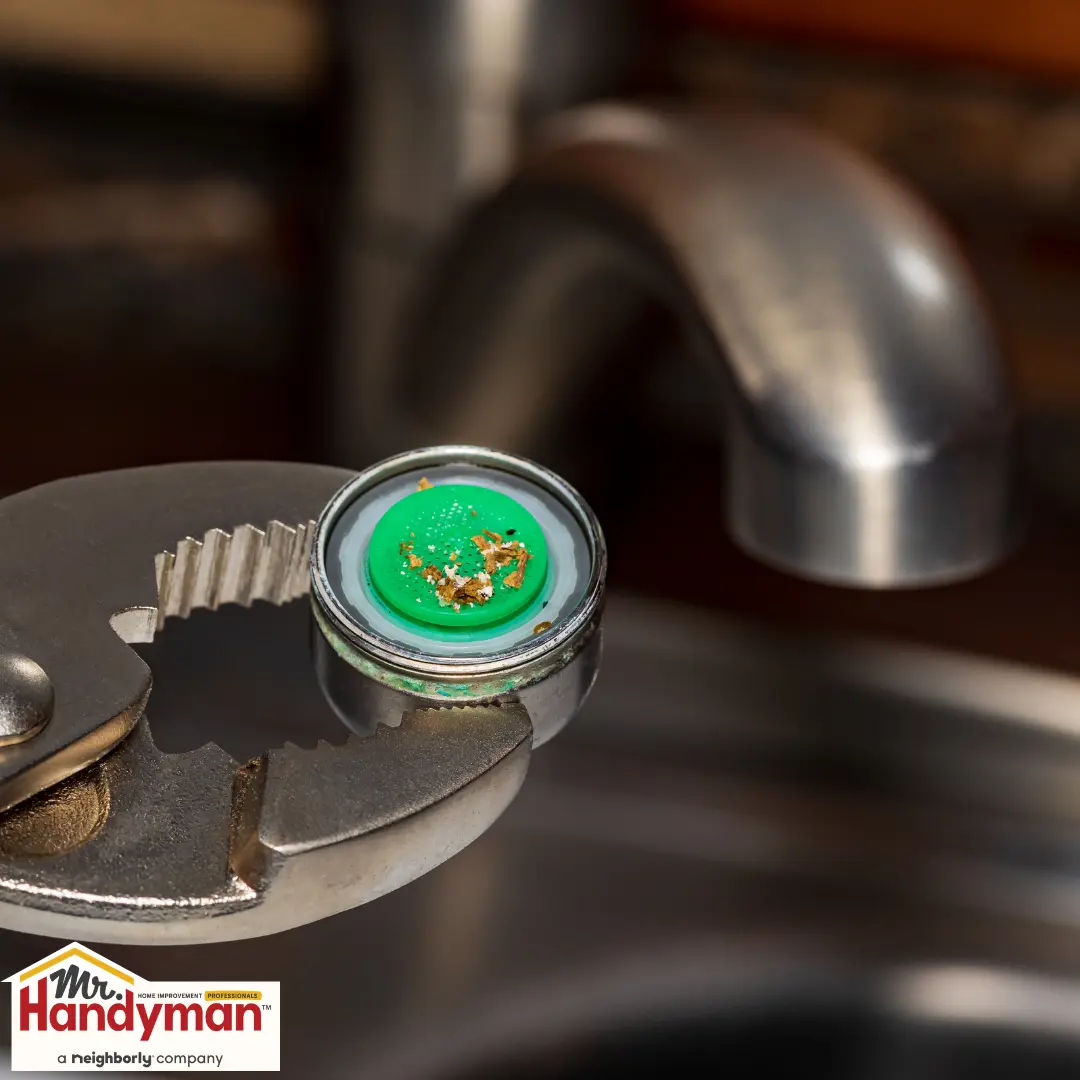
The water efficiency opportunity in Murfreesboro, Franklin, and Brentwood homes is more compelling than national averages suggest because of the water infrastructure investment demands that the region's growth creates and the rate trajectory that continued development sustains. A household that reduces its water consumption through efficiency upgrades is directly reducing its exposure to the rate increases that growing communities like Murfreesboro manage as infrastructure investment is recovered through customer billing.
WaterSense-certified toilet replacement in Middle Tennessee homes still carrying the original or early replacement high-consumption fixtures that pre-efficiency-standard construction installed represents one of the most significant single-fixture water efficiency opportunities in the residential market. The Murfreesboro area's established neighborhoods and the diverse Williamson County housing stock in Franklin and Brentwood carry a significant inventory of homes whose original 3.5 or 5-gallon flush toilets have never been replaced with the current 1.28-gallon WaterSense standard. A household of four replacing two older high-consumption toilets eliminates tens of thousands of gallons of annual municipal water consumption that those fixtures were drawing from Murfreesboro's or Franklin's water systems for no functional benefit over current alternatives.
WaterSense faucet aerators and fixtures are the most accessible eco-friendly plumbing entry point for Middle Tennessee homeowners because the installation is straightforward, the return is immediate, and the older housing stock across Murfreesboro's established corridors and the diverse housing inventory of Williamson County offers the widest efficiency gap between existing installations and current WaterSense specifications. A kitchen faucet delivering two gallons per minute in a Middle Tennessee home built before modern efficiency standards were widespread uses fifty percent more water per minute of use than a WaterSense-rated replacement at 1.5 gallons per minute without any reduction in the functional flow that daily kitchen use requires.
Low-flow showerheads in Middle Tennessee homes provide the combined water and energy savings that reducing heated water volume produces across both the water bill and the energy bill simultaneously. Middle Tennessee's warm climate and the outdoor season that Murfreesboro, Franklin, and Brentwood homeowners use actively through a generous portion of the year sustains the showering demand that an efficient showerhead reduces in volume without reducing in experience quality through the current WaterSense-certified technology that the market now provides.
Water Heating Efficiency: The Middle Tennessee Regional Advantage

Tankless water heater conversion in Middle Tennessee homes delivers the standby heat loss elimination and the sediment accumulation problem resolution that the region's mineral-bearing water chemistry makes particularly valuable alongside the baseline efficiency improvement that on-demand heating provides over continuous tank storage. Middle Tennessee's limestone geology creates the water hardness that deposits sediment in tank water heaters at rates that reduce the efficiency of tank units between annual maintenance intervals, and tankless conversion eliminates that efficiency penalty simultaneously with the standby heat loss reduction that the technology delivers in all climates.
Middle Tennessee's climate advantage for tankless efficiency is specific and meaningful. The incoming water temperature that Middle Tennessee's mild climate delivers to tankless water heaters, typically between fifty-five and sixty-five degrees Fahrenheit year-round compared to the thirty-five to forty-five degrees that northern climates deliver through the heating season, means that the temperature rise that Middle Tennessee tankless units must achieve is smaller and the flow rates they can deliver at that rise are higher than cold-climate calculations suggest. A Middle Tennessee home can install a tankless water heater sized for its actual demand profile rather than the oversized unit that cold-climate incoming water temperature calculations require, and the efficiency returns are not compromised by the incoming water temperature penalties that northern installations experience.
Heat pump water heaters in Middle Tennessee are particularly well-suited to the regional climate in the installation contexts where the technology's performance characteristics align with the conditions the home provides. A heat pump water heater moves heat from the surrounding air into the water rather than generating heat through resistance or combustion, delivering two to three times the efficiency of standard electric resistance units for the same output. In Middle Tennessee's climate where the spaces in which water heaters are typically installed maintain the moderate temperatures that support heat pump operation effectively through more of the year than cold-climate installations allow, the efficiency returns that heat pump technology delivers are realized across a longer effective operating period than northern climates provide.
Smart Water Management for Middle Tennessee Homes
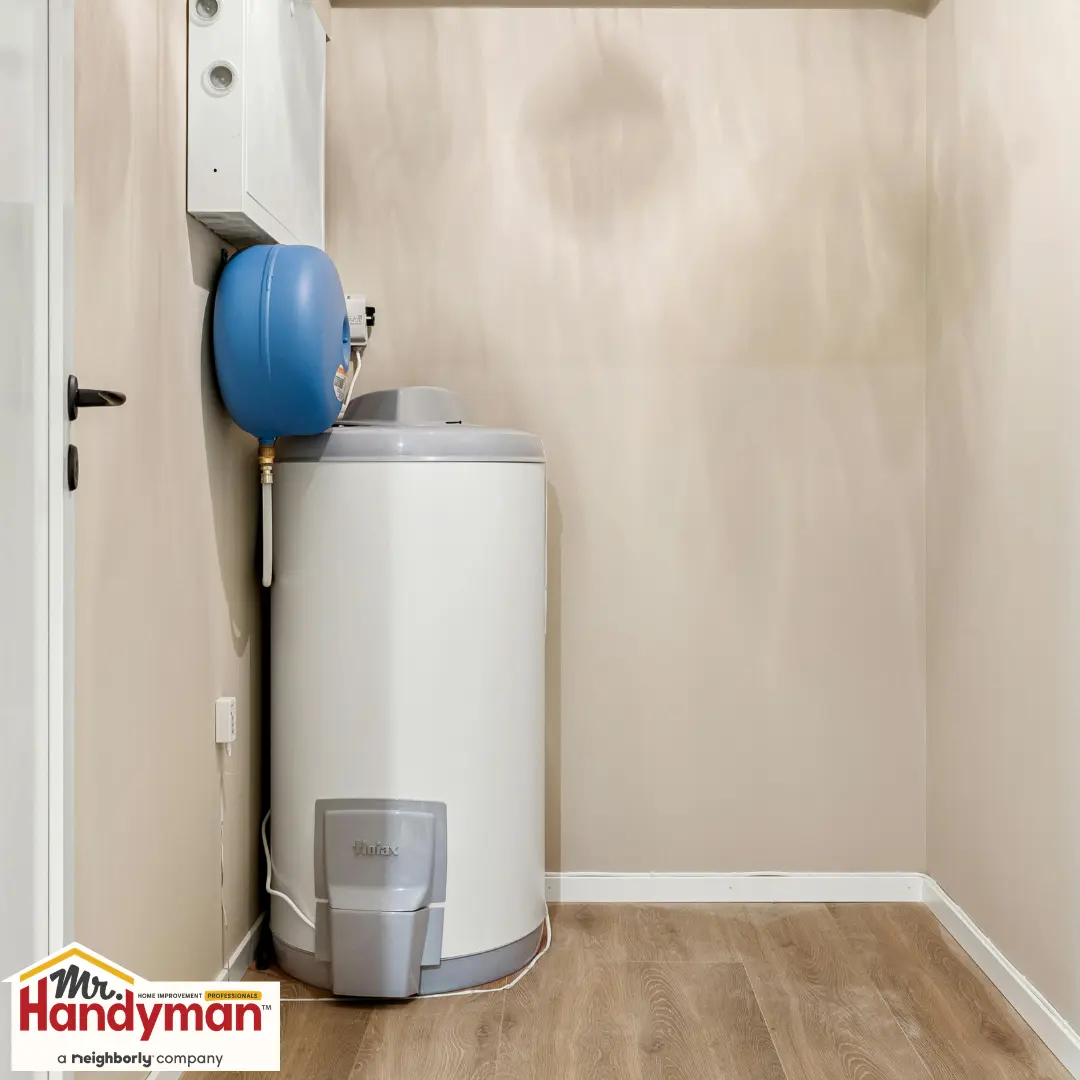
The technology available for residential water efficiency management delivers specific returns in Murfreesboro, Franklin, and Brentwood homes that the region's active outdoor season, variable spring precipitation pattern, and the irrigation culture common in the premium and established residential landscape these communities support all make particularly relevant.
Smart irrigation controllers that adjust watering schedules based on real-time weather data deliver efficiency returns that are specifically meaningful in Middle Tennessee's active outdoor season context. The residential landscapes of Murfreesboro, Franklin, and Brentwood receive the significant spring rainfall that Middle Tennessee's storm season delivers, and fixed-schedule irrigation systems that run regardless of whether recent rainfall already provided adequate soil moisture are wasting the municipal water that homeowners in these growing communities pay for against the rate structures that Murfreesboro's and Franklin's expanding infrastructure supports.
Middle Tennessee's spring and early summer pattern of significant storm events interspersed with dry periods creates the most concentrated mismatch between fixed irrigation schedules and actual soil moisture needs. A smart controller connected to local weather data skips or reduces irrigation cycles following the significant rainfall that Middle Tennessee's organized spring storm systems deliver, eliminating the systematic overwatering that fixed schedules produce during the period when the region's storm activity is most variable and most abundant. For Murfreesboro and Franklin area homeowners whose irrigation systems run on fixed schedules through the active spring storm season, the water savings that smart controller installation produces begins immediately and accumulates through every storm event that fixed scheduling would have ignored.
Leak detection technology for Middle Tennessee homes addresses the failure modes that the region's thermal cycling, warm humid climate, and the water chemistry of Rutherford County and Williamson County create in household plumbing systems. Whole-house water flow monitoring that identifies anomalies suggesting slow leaks provides the early detection that Middle Tennessee's warm, humid conditions make particularly valuable because the moisture that slow leaks introduce develops the biological growth conditions that the region's temperature and humidity sustain aggressively once moisture is present in wall cavities and building assemblies. A slow leak in a Murfreesboro or Brentwood home that monitoring detects within days of its development is addressed before the secondary damage that Middle Tennessee's climate advances rapidly once moisture and warm temperatures combine.
Smart shut-off valves that automatically stop water flow when monitoring detects catastrophic supply failure address the specific concern that unoccupied or intermittently monitored Middle Tennessee homes carry during the vacation and travel periods that the region's active social calendar creates. A supply line failure in a Murfreesboro or Franklin home that is not immediately discovered in the warm, humid Middle Tennessee climate creates the water damage and biological growth conditions that the region's temperatures advance into significant remediation projects faster than moderate or cool climates allow between failure and discovery.
Hard Water Management: The Middle Tennessee Sustainability Connection
Water softener installation for Middle Tennessee homes addresses the mineral content that regional geology delivers to the household supply at the source rather than managing accumulation effects at individual fixtures and appliances. A properly specified water softener treating the household supply before it reaches the distribution system reduces the fixture degradation, appliance efficiency reduction, and water heater sediment accumulation that Middle Tennessee's hard water produces in untreated systems in ways that extend component service life, maintain fixture performance, and reduce the replacement frequency that regional water chemistry accelerates.
The environmental return of water softener installation in Middle Tennessee reflects the extended service life that treated water produces in fixtures, appliances, and water heater components whose premature replacement from hard water degradation creates the manufacturing energy and material resource consumption that extended service life prevents. A water heater that serves twelve years in a Middle Tennessee home with treated water supply rather than eight years with the mineral accumulation that untreated regional water produces eliminates one replacement cycle's resource consumption over that service period, and the compounded effect of extended service life across all water-using household components represents a meaningful environmental return alongside the financial efficiency benefit.
Middle Tennessee Utility Incentives and Programs
Tennessee Valley Authority and the electric distributors serving Middle Tennessee communities periodically offer efficiency programs and incentives for qualifying residential plumbing upgrades. TVA's energy efficiency programs, administered through the local distribution utilities including Nashville Electric Service and Middle Tennessee Electric, may include incentives for qualifying water heater upgrades including heat pump water heaters and high-efficiency tankless installations whose efficiency improvement reduces the residential electric load that growing Middle Tennessee communities place on the regional generation and distribution system.
Middle Tennessee utility rebate programs for WaterSense fixtures and high-efficiency water heating equipment should be confirmed directly with the specific utility serving the property before purchase, because program availability changes with funding cycles and utility policy in ways that reflect the current priorities that rapidly growing communities like Murfreesboro manage as they balance infrastructure investment with customer rate impacts. Confirming current incentive availability before purchase allows homeowners to incorporate available rebates into the financial analysis that efficiency upgrade decisions deserve.
Frequently Asked Questions
Which eco-friendly plumbing upgrade delivers the fastest financial return in a Murfreesboro, Franklin, or Brentwood home?
WaterSense toilet replacement in Middle Tennessee homes with original high-consumption fixtures delivers the fastest financial return because the volume reduction from each flush cycle accumulates continuously against Murfreesboro's and Franklin's municipal water rates rather than against the intermittent fixture use that other plumbing upgrades affect. The gap between a 3.5-gallon original toilet and a 1.28-gallon WaterSense replacement is wide enough that the annual water savings in a Middle Tennessee household recovering the fixture and installation cost within a timeframe that the current rate environment makes consistently favorable.
Is a smart irrigation controller worth the investment for a Middle Tennessee home?
For Murfreesboro, Franklin, and Brentwood homes with existing irrigation systems operating on fixed schedules through the active spring storm season that Middle Tennessee delivers, smart controller installation pays back its cost through reduced water consumption against municipal water rates in one to three seasons depending on the specific rainfall the area receives and how frequently fixed scheduling would have run the system through periods of adequate natural moisture. The Middle Tennessee-specific efficiency return is highest during the spring storm season when the mismatch between fixed scheduling and actual soil moisture is greatest and most frequent.
How does Middle Tennessee's water chemistry affect the return on eco-friendly fixture upgrades?
Middle Tennessee's mineral-bearing water chemistry accumulates in the aerators, nozzles, and internal components of eco-friendly fixtures at the same rates it affects standard alternatives, and the efficiency advantage that WaterSense fixtures deliver at installation progressively diminishes as mineral accumulation restricts the flow characteristics that the WaterSense specification establishes. Monthly aerator cleaning and periodic showerhead descaling maintains the efficiency that installation provided against the mineral accumulation that Middle Tennessee's water chemistry continuously deposits, and whole-house water softener installation before fixture upgrades produces the best long-term efficiency outcome by eliminating the accumulation source rather than managing its effects.
Does Murfreesboro's growth trajectory make water efficiency upgrades more financially compelling than in stable-population markets?
Murfreesboro's sustained population growth and the water infrastructure investment that growth demands creates the rate trajectory context that makes water efficiency investment more financially compelling here than in stable markets where infrastructure demands are not similarly driven by growth. A household that reduces its water consumption through efficiency upgrades is reducing its exposure to the rate increases that growing infrastructure investment requires municipalities to recover through customer billing, and that rate protection compounding against the efficiency savings that upgrades directly produce creates a stronger financial case for efficiency investment in a rapidly growing community than in a market where infrastructure pressure is lower and rate trajectory is flatter.
Should I install a water softener before or after eco-friendly fixture upgrades in a Middle Tennessee home?
Water softener installation before fixture upgrades produces the best long-term outcome for Middle Tennessee homes because softened water maintains the flow characteristics and efficiency performance that WaterSense specifications establish for efficient fixtures rather than allowing the mineral accumulation that progressively reduces those specifications in untreated supply. Fixture upgrades installed into softened supply deliver their rated efficiency through a service life that Middle Tennessee's hard water accumulation would significantly shorten in the same fixtures installed without water treatment upstream.
Earth Month Action That Middle Tennessee Living Rewards
The eco-friendly plumbing upgrades delivering genuine returns in Murfreesboro, Franklin, and Brentwood are those whose specifications reflect Middle Tennessee's growth-driven utility rate trajectory, regional water chemistry, warm climate advantages for certain technologies, and the irrigation culture that the area's outdoor season and residential landscape sustain. They are practical investments whose financial returns are measurable against Middle Tennessee utility rates and whose environmental benefits reflect the specific resource consumption patterns that this region's conditions and growth trajectory create. Spring and Earth Month provide the installation timing and the motivational context that converts awareness into the improvements that deliver their returns through every subsequent Middle Tennessee season.
The team at Mr. Handyman of Murfreesboro, Franklin, and Brentwood has the regional experience to help homeowners identify the right eco-friendly plumbing upgrades for their specific home and install them correctly for Middle Tennessee's conditions.
Website: https://www.mrhandyman.com/murfreesboro-smyrna/
Serving homeowners throughout Murfreesboro, Franklin, and Brentwood with dependable service and the expertise your home deserves.