
Middle Tennessee's Climate Creates a Specific Outdoor Faucet Challenge
Ask a homeowner in Murfreesboro, Franklin, or Brentwood about outdoor faucet maintenance and the answer often reflects the region's general reputation as a mild climate. Tennessee is not Minnesota. The winters are not severe by northern standards. Outdoor plumbing should be fine. That reasoning is understandable and also responsible for a consistent pattern of freeze damage to outdoor faucets across Rutherford County and Williamson County every winter when the temperature events that Middle Tennessee's climate occasionally delivers arrive without adequate preparation from homeowners whose mild-climate assumptions left them without the protection that the region's actual freeze exposure warrants.
Middle Tennessee's outdoor faucet challenge is not the sustained deep cold that northern climates produce in outdoor plumbing through months of reliable freezing temperatures. It is the unpredictability of the region's freeze events and the suddenness with which they arrive against the backdrop of a generally mild climate that does not sustain the preparation habits that colder markets develop through necessity. A homeowner in South Bend, Indiana has a reliable annual routine for winterizing outdoor plumbing because Northern Indiana's winter provides the sustained motivation that routine requires. A homeowner in Murfreesboro or Franklin has the mild climate that routinely produces pleasant December afternoons followed by the occasional January hard freeze event that arrives with limited warning and that tests whatever preparation the mild October and November encouraged the homeowner to skip.
That pattern produces the specific outdoor faucet vulnerability that this service area experiences. Not the dramatic sustained damage of deep northern winters but the specific, repairable, and entirely preventable damage that a single significant Middle Tennessee freeze event creates in outdoor faucets whose winterization was deferred against the mild climate backdrop that Middle Tennessee's general character suggests but whose occasional hard freezes do not consistently honor.
What Middle Tennessee's Climate Delivers to Outdoor Faucets
The hard freeze events that Middle Tennessee winters produce are the outdoor faucet damage mechanism that Rutherford County and Williamson County homeowners most consistently underestimate because of the mild climate framework that surrounds those events. When temperatures drop below the mid-twenties and stay there for twelve to twenty-four hours in Murfreesboro, Franklin, or Brentwood, the outdoor faucets and hose bibs carrying water in their external bodies are exposed to freeze damage conditions that are identical in mechanism to what northern climates produce in outdoor plumbing, just delivered less frequently and with less warning preparation.
The specific Middle Tennessee freeze pattern creates a damage profile that differs from northern freeze damage in timing rather than mechanism. A Northern Indiana home experiences freeze damage through the cumulative effect of sustained cold that builds across the heating season. A Murfreesboro or Franklin home experiences the same damage mechanism in a single event, when temperatures that had been comfortable for weeks drop suddenly to the hard freeze threshold that outdoor plumbing without preparation cannot safely manage.
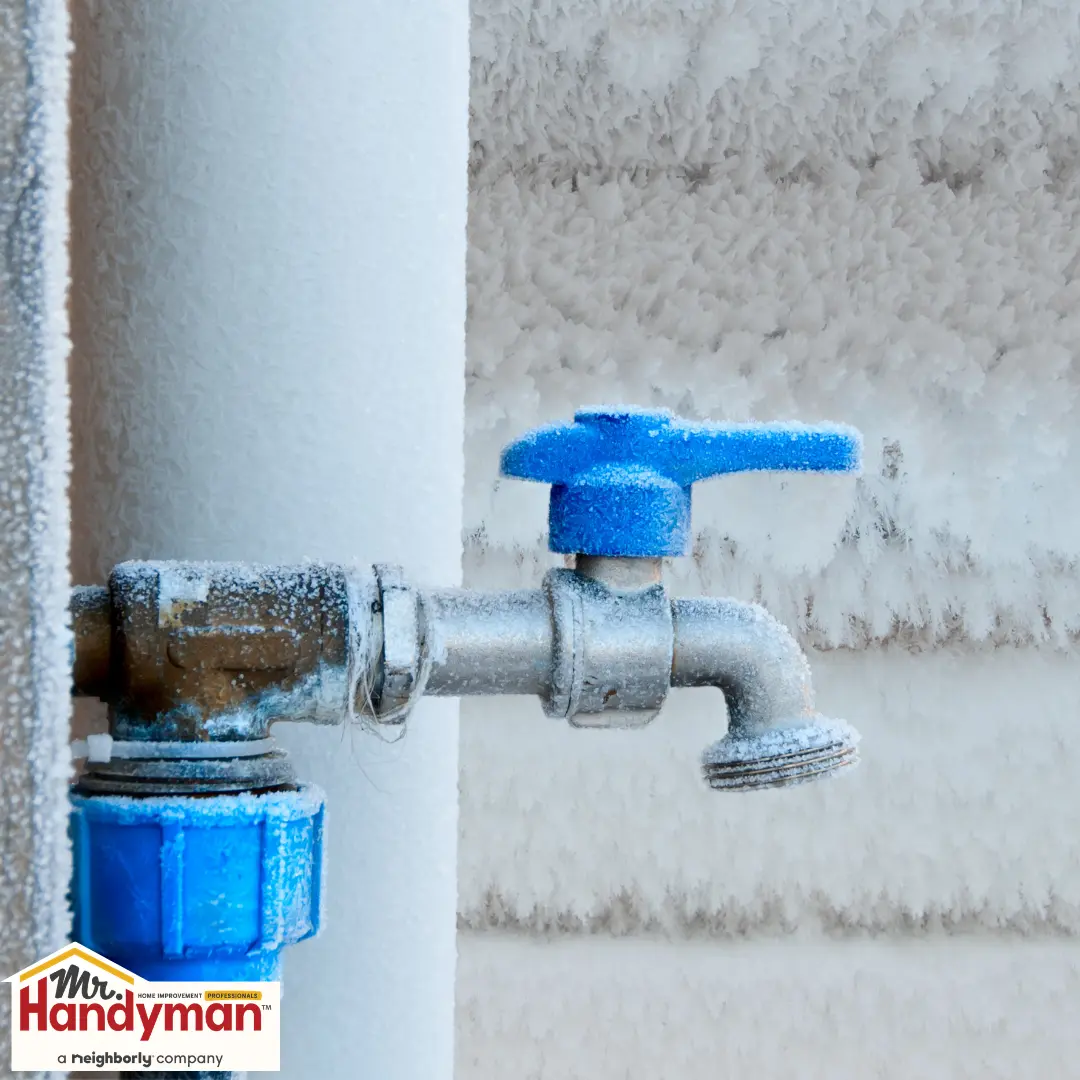
Frost-free hose bib function in Middle Tennessee's climate is the protection mechanism that properly constructed homes in Murfreesboro, Franklin, and Brentwood should have installed, but whose freeze protection depends on the homeowner behavior that the region's mild climate makes easy to skip. A frost-free hose bib drains the water from its external body when the handle is closed, protecting itself from freeze damage through the vacuum that allows that drainage to occur. When a garden hose remains connected to the faucet after the handle is closed, the weight of water in the hose creates back pressure that prevents drainage, leaving the frost-free faucet as vulnerable to Middle Tennessee freeze events as a standard outdoor faucet without frost-free design.
The mild autumn that Middle Tennessee delivers before the region's first significant freeze event is the timing condition that most consistently produces the garden hose connection that eliminates frost-free protection. A Murfreesboro or Brentwood homeowner who used the hose on a pleasant October afternoon, left it connected to the outdoor faucet, and then did not think about it through the mild November weather that followed is setting up the exact frost-free faucet freeze damage scenario when the December or January hard freeze event finally arrives.
Why Spring Assessment Matters for Middle Tennessee Outdoor Faucets
Spring is when the Middle Tennessee outdoor faucet damage that winter's freeze events produced becomes discoverable at the first use of outdoor water for the season. The freeze damage that cracked a supply line or fractured a faucet body may not have produced visible exterior evidence through the winter months when the outdoor faucet was not in use. The crack may have been present since January, and the water that will reveal it at spring startup has simply been waiting for the interior shutoff valve to be opened and the damage to show itself through the flow pattern that normal operation cannot produce through a compromised supply line.
Spring startup assessment for every outdoor faucet in a Murfreesboro, Franklin, or Brentwood home should be deliberate rather than simply turning the water on and resuming outdoor use. Opening the interior shutoff valve serving each outdoor faucet slowly while observing the exterior faucet and listening for any sound of water movement within the wall cavity confirms whether the supply line between the interior valve and the exterior faucet is intact. Water flowing freely from the faucet spout when opened indicates functional supply integrity. Water appearing at the wall connection point rather than the spout indicates the supply line damage that the season's freeze events may have produced and that moisture has been introducing to the wall cavity at some point between the freeze event and the current spring assessment.
Mineral accumulation from Middle Tennessee's water supply in outdoor faucet aerators and internal components reflects the water chemistry that Murfreesboro's municipal supply and the private wells serving rural Rutherford County properties deliver to outdoor plumbing connections over the outdoor season's accumulated use.
Diagnosing Common Outdoor Faucet Problems in Middle Tennessee Homes

The symptoms that outdoor faucets in Murfreesboro, Franklin, and Brentwood homes present at spring startup reflect the specific damage mechanisms that Middle Tennessee's winter freeze events, the region's water chemistry, and the thermal cycling that the area's seasonal temperature range produces in outdoor plumbing components between the previous outdoor season's last use and the current spring's first assessment.
A faucet that leaks at the wall connection is the Middle Tennessee outdoor faucet symptom whose consequences are most significant for the home's structural condition because the moisture entering the wall cavity at that location has been doing so since the freeze event that created the damage. In Murfreesboro, Franklin, and Brentwood homes where the winters are mild enough that outdoor faucets may not have been used from November through March, a supply line that froze and cracked in January has potentially been introducing moisture to the wall cavity through the spring warming period before the first outdoor water use revealed the problem. The wall cavity moisture that this damage creates in a Middle Tennessee home during the warming spring and summer seasons advances the biological growth and wood deterioration that Middle Tennessee's warm, humid conditions sustain more aggressively than moderate climates.
A dripping faucet spout when the handle is closed indicates internal component wear in the washer or cartridge that the thermal cycling of Middle Tennessee's seasonal range and the water chemistry of the regional supply produce in outdoor faucet internals over their service lives. In Middle Tennessee homes where the outdoor faucet has been in service through multiple years of the region's seasonal cycling, the washer or cartridge wear that produces a dripping spout when closed is the maintenance condition whose repair in spring prevents a full outdoor season of water waste against the utility rates that Murfreesboro's and Franklin's municipal customers pay.
A frost-free faucet dripping from the weep hole continuously after the brief initial drainage that closing the handle should produce indicates a failed vacuum breaker in the frost-free assembly. This symptom in a Middle Tennessee home communicates both the immediate operational failure and the freeze protection concern that a vacuum breaker that no longer seals correctly creates for the next Middle Tennessee hard freeze event. A frost-free faucet with a failed vacuum breaker is not draining its external body after each use, and the next Middle Tennessee freeze event will find the water that should have drained still present in the faucet body where temperatures can damage it.
Reduced flow or irregular spray pattern from outdoor faucets in Murfreesboro, Franklin, and Brentwood homes most commonly traces to the mineral accumulation that Middle Tennessee's water supply deposits in faucet aerator screens and internal components. Murfreesboro's municipal supply and the well water serving rural Rutherford County and Williamson County properties both carry the mineral content that the region's groundwater sources deliver, and the accumulation in outdoor faucet aerators that years of that water chemistry produces progressively reduces the flow performance that the faucet's original installation provided.
Winterization: The Middle Tennessee Outdoor Faucet Annual Practice
The fall disconnect imperative in Murfreesboro, Franklin, and Brentwood reflects the unpredictability of Middle Tennessee's first significant freeze events more than the sustained cold that northern markets manage through routine. The region's fall weather pattern can sustain the pleasant outdoor conditions that encourage continued garden hose use through October and well into November, followed by the sudden temperature drop that arrives with limited warning and that tests whatever outdoor plumbing preparation has or has not been completed before the event.
A reliable calendar-based hose disconnection practice before Thanksgiving rather than a forecast-reactive approach provides the margin that Middle Tennessee's unpredictable freeze timing requires. The homeowner who disconnects all garden hoses from every outdoor faucet before Thanksgiving as a reliable annual practice rather than waiting for freeze warnings that may not provide adequate lead time is protecting the frost-free faucet drainage function before the first significant Middle Tennessee freeze tests it rather than discovering the failure that the connected hose enabled after the damage has already occurred.
Interior shutoff valve operation for outdoor faucets in Murfreesboro, Franklin, and Brentwood homes with standard rather than frost-free outdoor faucets provides the freeze protection that frost-free design provides inherently. Finding the interior shutoff valve serving each outdoor faucet before the fall freeze season, confirming it operates correctly by exercising it through its full range of motion, and closing it before any forecast significant freeze event removes the water that freeze damage requires to be present in the outdoor supply line. Opening the exterior faucet handle after closing the interior valve allows residual water to drain before freezing temperatures reach it.
Faucet cover installation as supplemental protection for Middle Tennessee outdoor faucets that are not frost-free provides the insulation buffer that reduces heat loss during the marginal freeze events that the region's winters deliver more frequently than the hard freeze events that test even frost-free faucets with connected hoses. Foam faucet covers available at Murfreesboro and Franklin area hardware retailers install quickly and provide meaningful insulation during the overnight freezes that Middle Tennessee's mild winter pattern delivers most commonly.
Irrigation System Connections in Middle Tennessee
Spring irrigation startup assessment for Murfreesboro, Franklin, and Brentwood homes with irrigation systems evaluates the backflow preventer function and zone connection integrity that the Middle Tennessee winter may have affected in system components that were not fully winterized before the season's freeze events.
Backflow preventer condition at the irrigation system connection is the spring assessment item whose failure is most consequential for household water quality and whose discovery is most reliably delayed to the spring startup when the irrigation season activates. Backflow preventers protect the household potable supply from contamination that back-siphonage from the irrigation system could introduce, and their function is tested by operation rather than apparent condition. Spring startup that includes backflow preventer function confirmation addresses the assessment that the Middle Tennessee winter's occasional freeze events may have affected in above-grade irrigation components before the irrigation season places ongoing demand on a device whose function cannot be assumed from its intact appearance.
Frequently Asked Questions
How cold does it need to get before outdoor faucets are at risk in Murfreesboro, Franklin, and Brentwood? Sustained temperatures below twenty-eight degrees Fahrenheit lasting more than four to six hours create meaningful freeze risk for unprotected outdoor faucets in Middle Tennessee. The specific threshold in this region is not dramatically different from northern markets, but the difference is in preparation reliability. Northern homeowners have winterization habits calibrated to sustained cold. Murfreesboro and Franklin area homeowners often have mild climate assumptions that leave outdoor faucets unprotected for the freeze events that Middle Tennessee's winters deliver on their own unpredictable schedule rather than the reliable seasonal timeline that consistent cold produces.
Should I replace standard outdoor faucets with frost-free models in a Middle Tennessee home? Any standard outdoor faucet in a Murfreesboro, Franklin, or Brentwood home that is not already frost-free warrants the frost-free replacement that makes freeze protection dependent on design rather than on the consistent winterization behavior that Middle Tennessee's mild climate makes easy to skip. The specific value of frost-free installation in the Middle Tennessee context is that it converts the freeze protection function from a homeowner behavior that the region's mild climate works against into a mechanical design that operates correctly when the handle is closed regardless of what the outdoor temperatures do next.
How long should an outdoor faucet last in a Middle Tennessee home? A quality frost-free hose bib properly installed and maintained with consistent hose disconnection before freeze events should last fifteen to twenty years in Middle Tennessee's climate. Outdoor faucets that have experienced freeze damage from connected hoses during Middle Tennessee hard freeze events may require replacement significantly earlier depending on the severity and number of freeze events that inadequate winterization allowed to affect the faucet's internal components and housing integrity.
Is the drip from my outdoor faucet worth repairing or should I just replace it? A faucet that is structurally sound with a single dripping symptom from worn internal components is a repair candidate in Middle Tennessee, where spring washer or cartridge replacement extends service life through multiple additional outdoor seasons at accessible cost. A faucet showing both the dripping symptom and any evidence of freeze damage at the housing or wall connection, or one whose service life in the Murfreesboro or Franklin area climate has extended past fifteen years, warrants the replacement assessment that cumulative Middle Tennessee freeze exposure and general aging together make appropriate.
What should I do if I discover freeze damage at an outdoor faucet at spring startup in a Middle Tennessee home? Close the interior shutoff valve immediately to stop water flow to the damaged faucet. Assess the visible damage at the exterior faucet connection point and listen for any sound of water within the wall cavity that indicates supply line damage behind the wall surface. Contact a qualified plumbing professional for assessment before the outdoor season places demand on a supply system that winter may have compromised within the wall assembly. In Middle Tennessee homes where the freeze event that caused the damage may have occurred weeks or months before spring startup revealed it, professional assessment of the wall cavity moisture condition may be warranted alongside the plumbing repair itself.
Middle Tennessee Outdoor Faucets Deserve Consistent Attention
The outdoor faucets and hose bibs in a Murfreesboro, Franklin, or Brentwood home serve the outdoor season that Middle Tennessee's genuinely pleasant spring, summer, and fall provides, and maintaining those components correctly through annual spring assessment, consistent fall hose disconnection before freeze events, and prompt repair of developing conditions delivers the reliable outdoor water access that the region's outdoor season deserves without the freeze damage discoveries and emergency repairs that inadequate preparation produces.
The team at Mr. Handyman of Murfreesboro, Franklin, and Brentwood has the regional experience to help homeowners assess, maintain, and properly protect their outdoor faucets and hose bibs for everything Middle Tennessee's seasons deliver.
Website: https://www.mrhandyman.com/murfreesboro-smyrna/
Serving homeowners throughout Murfreesboro, Franklin, and Brentwood with dependable service and the expertise your home deserves.