
Middle Tennessee Spring Storms Test Plumbing Systems in Specific Ways

Spring in Murfreesboro, Franklin, and Brentwood arrives with the atmospheric energy that Middle Tennessee's position within the country's active severe weather corridor creates. The warm, moisture-laden air masses that Gulf systems push northward into Tennessee collide with the cold air masses that still move through the region in March and April, producing the organized storm systems, significant rainfall totals, and the concentrated precipitation events that Middle Tennessee's spring is known for regionally and that anyone who has lived through a Rutherford County or Williamson County spring understands as a genuine seasonal weather reality rather than a background concern.
The plumbing consequences of those spring storms reflect the specific combination of conditions that Middle Tennessee's geography, housing stock, and infrastructure create in the region served by this franchise. Murfreesboro's established neighborhoods carry the original or aging sewer and drain infrastructure that the city's significant growth has concentrated development around. Franklin's mix of historic downtown properties and the newer residential development that Williamson County's population expansion has produced across its eastern corridors creates a diverse housing profile whose plumbing vulnerabilities reflect the full range of construction eras. And Brentwood's established residential character carries the mature tree populations and the premium housing investment that make water damage from plumbing failures during storm events both more likely in specific conditions and more financially consequential when they occur.
Understanding what spring rainstorms specifically create in residential plumbing systems across this service area, where the most consequential vulnerabilities appear, and how proactive assessment and targeted protection converts storm season exposure from emergency discovery into managed conditions gives homeowners throughout this area the practical framework for protecting their properties through the Middle Tennessee spring.
What Middle Tennessee Spring Storms Deliver to Plumbing Systems

High-intensity rainfall in compressed timeframes is the precipitation characteristic that Middle Tennessee's spring storm systems produce most consequentially for residential plumbing. A well-organized storm system tracking across Rutherford County or Williamson County can deposit two to three inches of rain in under an hour, saturating the clay-rich soils that underlie much of the region before surface drainage systems have time to manage the volumes being delivered. That soil saturation condition creates the hydrostatic pressure against residential foundations and the underground plumbing infrastructure beneath properties that gradual rainfall producing the same total volume over several hours does not generate at the same intensity.
The Stone's River watershed and regional drainage patterns in the Murfreesboro area create the specific drainage concentration dynamics that the city's topography and the development pattern of its surrounding communities direct during significant storm events. Properties in lower elevation positions or in the drainage corridors that the Stone's River system and its tributaries create across the Murfreesboro area can experience the combined surface runoff and elevated groundwater pressure that concentrated watershed drainage adds to the direct rainfall contribution during significant spring events.
Williamson County's topography and Clay soils in the Franklin and Brentwood service area create the drainage dynamics that the region's rolling terrain and the clay-dominant soil profiles that much of the county's residential landscape sits on produce during Middle Tennessee's concentrated spring rainfall events. Clay soils in the Franklin and Brentwood area reach their saturation threshold relatively quickly during intense rainfall events and then hold the moisture that the storm delivers rather than allowing the percolation that sandier soil profiles would provide, concentrating the hydrostatic pressure against foundation components and below-grade plumbing connections in ways that make sump and drainage system performance specifically consequential during significant Middle Tennessee spring storms.
Sewer System Conditions That Spring Storms Reveal
Sanitary sewer surcharging during significant spring storm events affects neighborhoods in Murfreesboro, Franklin, and Brentwood served by the combined or aging sewer infrastructure that the region's rapid growth has created maintenance challenges for as development has outpaced infrastructure investment in some corridors. When spring storm rainfall saturates soils and overwhelms stormwater systems in Middle Tennessee communities, the pressure that builds in the underground sewer infrastructure can push through the lowest available household connections, producing the drain backup in basements and first-floor floor drains that communicates sewer system stress rather than a household plumbing condition.
Root intrusion in aging sewer laterals is the underground plumbing vulnerability that Middle Tennessee spring storm surge volumes most consistently reveal in the service area's established neighborhoods. Murfreesboro's older residential corridors and Franklin's historic district and established neighborhoods carry the mature tree populations that have extended root systems toward the moisture that older clay tile and cast iron sewer lines represent over the decades those trees have been growing adjacent to original utility infrastructure.
Below-grade plumbing stress from clay soil expansion reflects the specific mechanism that Middle Tennessee's expansive clay soils create in underground plumbing systems during the significant moisture events that spring storms deliver. The Murfreesboro, Franklin, and Brentwood area's clay-dominant soil profiles absorb the rainfall that spring storms deliver and expand in volume, creating the lateral soil pressure against underground pipes and connections that progressive clay soil movement produces in underground utility infrastructure over time.
Interior Plumbing Symptoms That Middle Tennessee Spring Storms Produce

The interior plumbing symptoms that Murfreesboro, Franklin, and Brentwood homeowners observe during and immediately after significant spring storm events communicate the underground and below-grade conditions that the region's clay soils, storm volumes, and sewer infrastructure create when those conditions are tested by the concentrated rainfall that Middle Tennessee's spring delivers.
Gurgling sounds from floor drains and toilets during active Middle Tennessee storm events communicate the sewer system pressure that storm-related surcharging creates when rainfall volumes overwhelm the capacity of the stormwater and sewer systems serving specific neighborhoods. The gurgling is air being displaced through trap seals by the pressure differential that surcharged sewer conditions create at household drain connections. In Murfreesboro's established neighborhoods and in the older sections of Franklin near the downtown historic district, this symptom during significant spring storms is the municipal sewer system communicating its capacity condition rather than a household plumbing failure that drain clearing would address. The appropriate immediate response is stopping household water use rather than attempting to clear drains that are not obstructed at the household level.
Slow drains throughout the home following significant Middle Tennessee storm events that were functioning adequately before the storm indicate underground infrastructure conditions rather than household drain blockages when the slow drain pattern affects multiple fixtures simultaneously and improves between storm events as sewer system pressure normalizes. Single-fixture slow drains that persist between storm events and correlate with household use rather than storm timing are more likely to be household plumbing conditions. The Middle Tennessee-specific assessment distinguishes the storm-correlated pattern from the use-correlated pattern before camera inspection of underground infrastructure or household drain cleaning is recommended as the appropriate response.
Basement or crawl space water entry following significant spring storms in Murfreesboro, Franklin, and Brentwood homes communicates the drainage and below-grade moisture management conditions that the Middle Tennessee clay soils' saturation and the hydrostatic pressure those saturated soils create against foundation components produces during events that test those conditions at their maximum. In homes with crawl space construction common throughout Middle Tennessee's residential landscape, water entry after spring storms that sump systems did not prevent indicates either sump capacity inadequacy for the event's water volume, pump failure during the event, or foundation perimeter drainage conditions that are directing storm runoff toward the foundation rather than away from it.
Specific Vulnerabilities in the Murfreesboro, Franklin, and Brentwood Housing Stock
Murfreesboro's established neighborhood sewer infrastructure carries the specific aging conditions that the city's original residential development created in the older sections near the downtown square and the established corridors that predated the city's significant recent growth. Homes in these older Murfreesboro neighborhoods may be connected to the original clay tile sewer laterals that tree root intrusion and decades of soil movement have been affecting progressively, and the spring storm surge volumes that Middle Tennessee's concentrated rainfall creates test the residual capacity that root intrusion and lateral deterioration have progressively reduced.
Franklin's historic district and established neighborhoods carry the drainage and sewer infrastructure conditions that the age and character of those properties create in the specific context of Williamson County's topography. The properties in the historic core of Franklin and in the established residential neighborhoods surrounding it have been managing Middle Tennessee's spring storm patterns for decades, and the condition of their underground drain infrastructure reflects the accumulated effect of those seasonal test events combined with the tree root intrusion that Franklin's mature urban tree canopy creates in the sewer laterals beneath those properties.
Brentwood's premium housing stock and established landscape creates a specific spring storm plumbing vulnerability profile that the combination of mature trees, extensive landscaping, and the premium investment in finished basement and living spaces that Brentwood homes typically carry makes particularly financially consequential. Root intrusion from the mature trees that characterize Brentwood's established residential landscape creates the sewer lateral conditions that storm surge volumes reveal, and the finished basement spaces and premium interior conditions that Brentwood properties typically include make the water entry that inadequate storm protection allows both more damaging and more expensive to remediate than comparable conditions in less finished below-grade spaces.
Protecting Middle Tennessee Homes From Spring Storm Plumbing Events
Backflow prevention for homes in storm-vulnerable neighborhoods addresses the sewer surcharging symptom at its mechanism by preventing the pressure reversal that storm-overwhelmed sewer conditions create from reaching household fixtures. A properly specified backflow preventer in the home's sewer connection intercepts the pressure that storm events generate before it reaches the floor drains and low-point fixtures that communicate surcharging conditions as drain backup. For Murfreesboro and Franklin area properties in older neighborhoods where combined or aging sewer infrastructure has demonstrated storm-related surcharging vulnerability, backflow prevention investment reflects the specific risk that the area's infrastructure conditions create.
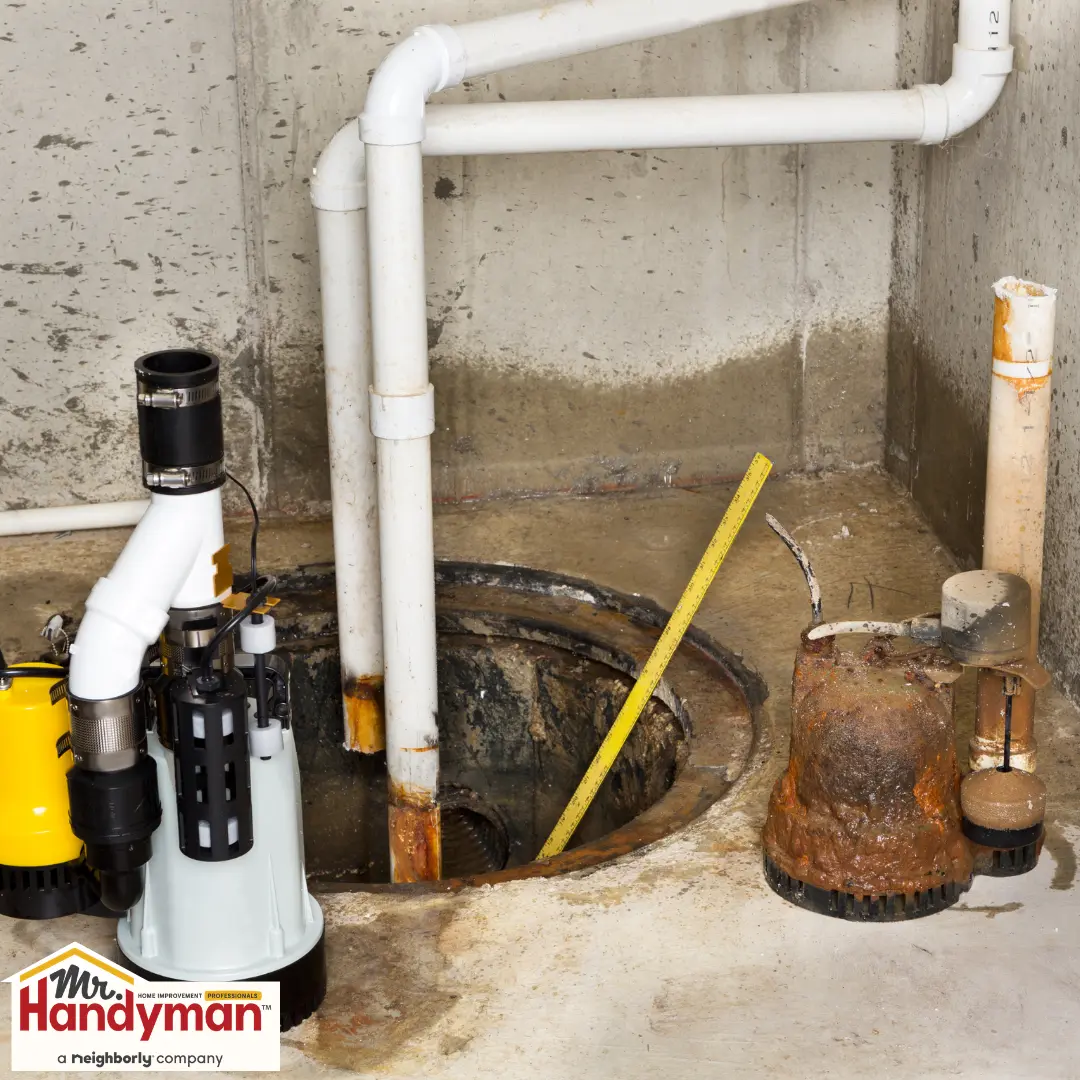
Sump system assessment and capacity confirmation before Middle Tennessee's spring storm season specifically evaluates whether the installed pumping capacity in the home's below-grade drainage system matches the actual storm volume that the property's specific drainage conditions create during the significant events that Middle Tennessee's spring delivers. A sump pump that managed the gradual groundwater conditions of previous seasons may be overwhelmed during the concentrated spring storm that delivers two inches of rain onto already-saturated Middle Tennessee clay soils, and the pre-season capacity assessment that confirms adequacy before the storm season rather than after the first event that reveals inadequacy provides the protection planning that Middle Tennessee's spring storm character specifically warrants.
Foundation grading assessment after Middle Tennessee's winter rainfall season identifies the negative grading conditions that the region's clay soil dynamics create adjacent to home foundations over time. Clay soils that expand when wet and contract when dry create the grade changes that develop between annual assessments in ways that stable-soil environments do not produce at the same frequency, and spring assessment that identifies and corrects negative grading before the storm season's concentrated events arrive restores positive drainage before those events test the foundation perimeter conditions that winter and the previous year's clay soil cycling produced.
Frequently Asked Questions
Why do my drains back up during Middle Tennessee spring storms but work fine otherwise? Storm-related drain backup in Murfreesboro, Franklin, and Brentwood homes during significant spring events typically indicates municipal sewer surcharging rather than household plumbing blockage. The sewer systems serving older neighborhoods in these communities reach capacity during the concentrated rainfall that Middle Tennessee's storm season delivers when the storm volume exceeds design capacity simultaneously with normal household flow. The improvement between storm events reflects the municipal system's pressure returning to normal rather than a self-clearing household drain condition.
How does Middle Tennessee's clay soil affect my home's spring storm plumbing vulnerability? Rutherford County and Williamson County clay soils reach saturation threshold faster than more permeable soil profiles during Middle Tennessee's intense spring rainfall events and then hold moisture against foundation components rather than allowing it to dissipate. The hydrostatic pressure that saturated clay soils exert against foundation walls and below-grade plumbing connections is more significant and more sustained here than in sandier soil environments, making the sump system function and foundation drainage conditions that manage that pressure more consequential for Middle Tennessee properties during spring storm events.
Should I be concerned about root intrusion in my Murfreesboro or Franklin area sewer line? Homes in Murfreesboro's established neighborhoods and in Franklin's historic district and older residential corridors with mature trees growing adjacent to the property's sewer lateral path, with original clay tile or cast iron lateral infrastructure, or with a history of storm-correlated slow drain symptoms warrant professional sewer camera inspection at three to five year intervals. Root intrusion advances toward blockage gradually in Middle Tennessee sewer laterals in ways that storm surge volumes reveal at complete blockage before incremental slow drain symptoms prompted earlier investigation.
Is a finished basement in a Middle Tennessee home worth protecting with a sump system upgrade? For Murfreesboro, Franklin, and Brentwood homes with finished basement spaces whose investment is significant and whose below-grade moisture management has not been assessed against the actual storm volumes that Middle Tennessee's spring delivers, sump system evaluation and capacity upgrade is a financially justified investment compared to the remediation cost that a single significant spring storm backup event creates in finished basement conditions.
What should I do immediately when my Murfreesboro or Franklin home experiences drain backup during a spring storm? Stop all household water use to prevent adding flow to an already-overwhelmed system. Document conditions with photographs before cleanup for insurance purposes. Avoid contact with backup water that may contain sewage contamination from storm surcharging. Confirm whether other homes in the neighborhood experienced similar conditions during the same storm event, as this pattern confirms municipal surcharging rather than household plumbing failure.
Middle Tennessee Spring Storms Reward Prepared Homeowners
The plumbing consequences of significant spring storms in Murfreesboro, Franklin, and Brentwood trace to the infrastructure conditions, clay soil dynamics, and storm intensity characteristics that Middle Tennessee's specific geography and seasonal weather pattern create in ways that preparedness specifically converts from emergency discoveries into managed conditions. Pre-season assessment of sump capacity, backflow vulnerability, foundation drainage, and underground sewer infrastructure provides the information that preparation requires and that storm events provide too late to act on.
The team at Mr. Handyman of Murfreesboro, Franklin, and Brentwood has the regional experience to help homeowners assess and address the plumbing vulnerabilities that Middle Tennessee's spring storm season specifically creates.
Website: https://www.mrhandyman.com/murfreesboro-smyrna/
Serving homeowners throughout Murfreesboro, Franklin, and Brentwood with dependable service and the expertise your home deserves.