The exterior of a commercial property does more work than most business owners give it credit for. It absorbs weather, manages water, supports signage, accommodates foot and vehicle traffic, and communicates the condition and character of the business operating inside it, all simultaneously and without pause. For businesses in Murfreesboro, Franklin, and Brentwood, the period before the summer busy season arrives is the most strategically valuable window of the year to address exterior repairs that winter left behind and that spring conditions have made accessible. Waiting until the busy season is underway to address visible exterior deterioration means tackling repairs during the period when disruption is most costly and contractor availability is most constrained.
Middle Tennessee winters are hard on commercial exteriors in ways that are not always immediately obvious. Ice storms coat surfaces with weight-bearing ice that stresses roofing membranes, gutters, signage mounts, and facade elements. Freeze and thaw cycles work at every sealed joint, caulked transition, and masonry mortar line, progressively opening gaps that were tight before the cold season began. Wind events that accompany winter storms lift flashing, stress awning structures, and deposit debris that clogs drains and damages surface finishes. The cumulative effect of those conditions is a building exterior that enters spring carrying more deferred maintenance than most property managers realize until a systematic inspection reveals it.
Completing exterior repairs before the busy season also reflects an understanding of how first impressions function in a commercial environment. Customers, clients, and business partners form judgments about a business based on the condition of its exterior before they ever interact with its staff or products. A cracked parking lot, a damaged entry canopy, peeling paint on the facade, or a sign that is visibly deteriorating all communicate something about the business behind them, and what they communicate is rarely what any business owner intends. Addressing those conditions proactively, before the season when the property sees its highest traffic and visibility, is a decision that protects both the physical asset and the business reputation it represents.
Reading Your Building's Exterior After Winter
The first step in any pre-season exterior repair program is a thorough and honest condition assessment that covers every element of the building's exterior from the roofline to the pavement. Most business owners and property managers are familiar with the prominent conditions that have been visible for some time, but a systematic inspection often reveals issues that have developed quietly through winter and that are not part of the property's known maintenance inventory.
Walking the full perimeter of the building at close range, rather than assessing condition from the parking lot or from memory, is the correct approach to a pre-season exterior inspection. Conditions that are invisible from a distance, cracks in sealant at window and door perimeters, mortar joint deterioration in masonry surfaces, corrosion at metal fasteners and hardware, and small areas of facade damage, become clear at close inspection range. Photographing conditions during the walkthrough creates a visual record that supports contractor conversations, prioritization decisions, and maintenance documentation.
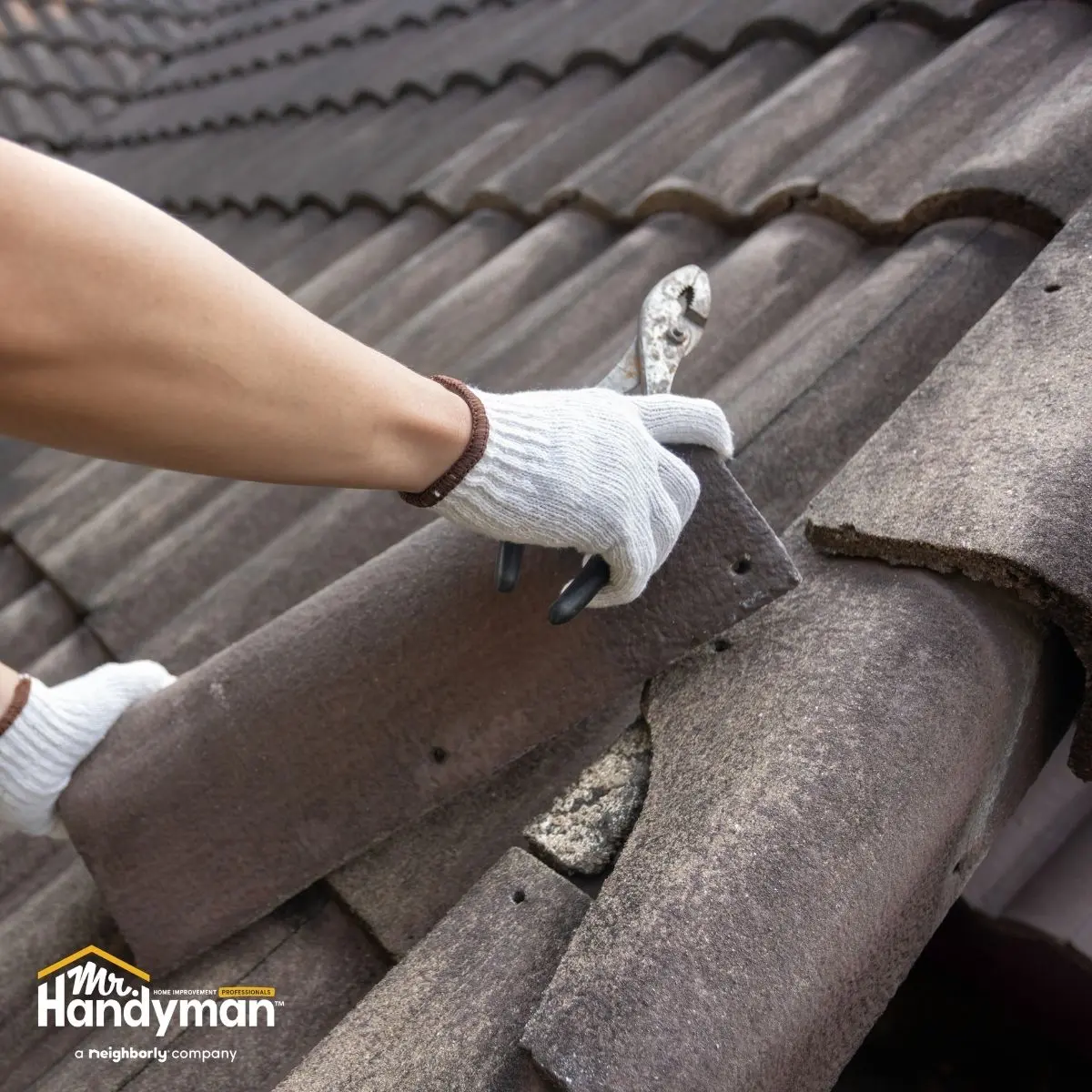
Roof condition assessment for commercial properties typically requires access to the roof surface itself, which for safety and liability reasons should be conducted by a qualified professional rather than property management staff. Middle Tennessee's winter precipitation, including ice events that are a recurring feature of the regional climate, creates conditions on commercial roofing systems that are not visible from ground level. Membrane punctures, seam separations, drain blockages, and equipment curb conditions that were compromised by ice or wind all require direct observation to assess accurately. Scheduling a professional roofing inspection as part of the pre-season maintenance program ensures that conditions affecting the building's primary weather barrier are identified and addressed before summer rains test the system under full seasonal load.
Facade and Cladding Repairs That Cannot Wait
A commercial building's facade is its most visible exterior element and the one that most directly affects how the business is perceived by the people who approach and enter it. Facade conditions that have deteriorated through winter need to be addressed before the busy season brings maximum visibility and customer traffic to the property.
Masonry facades, which are common in Franklin's older commercial district and in commercial construction throughout Murfreesboro, are particularly vulnerable to mortar joint deterioration over repeated freeze-thaw cycles. Water that infiltrates a masonry wall through failed mortar joints does not simply cause surface staining. It saturates the masonry unit and the substrate behind it, carrying dissolved minerals that deposit as efflorescence on the surface when the water evaporates. In winter, that infiltrated water freezes and expands within the masonry, causing spalling of the face of individual units and progressive loosening of adjacent units. Repointing deteriorated mortar joints with appropriate mortar mix before spring rains introduce additional moisture into already compromised joints is the correct response to this condition, and it is a repair that becomes significantly more expensive when it is deferred to the point where individual masonry units require replacement.
Metal panel cladding systems on commercial buildings, which are prevalent in newer construction throughout Brentwood and Franklin's commercial corridors, present their own post-winter maintenance requirements. Panel joints and perimeter sealant conditions at transitions to adjacent materials need inspection and resealing where sealant has aged, cracked, or pulled away from the substrate. Fastener conditions at panel attachment points should be checked for corrosion, loosening, or missing hardware that winter wind events may have compromised. Metal surfaces showing surface rust, coating failure, or physical damage from ice or debris impact need to be addressed before oxidation progresses and before moisture infiltrates behind the panel system.
Stucco and exterior insulation and finish system facades common in commercial construction from the 1990s and 2000s are notoriously sensitive to moisture infiltration at any point where the system's continuity is broken. Cracks at stress concentration points around windows, doors, and building corners, impact damage from vehicles or equipment, and areas where flashing or trim conditions have allowed water to get behind the system surface all represent conditions that allow moisture to reach the substrate material. In Middle Tennessee's humid climate, substrate moisture behind an exterior cladding system creates conditions for mold growth and structural deterioration that progress significantly faster than property managers typically expect.
Entry Systems and Storefront Conditions
Entry systems are the transition point that every customer and employee passes through, and their condition communicates property maintenance standards more directly than almost any other exterior element. Commercial entry doors, storefront glazing systems, awnings, and canopies that have sustained winter wear need to be brought back to full functional and presentable condition before busy season traffic peaks.
Commercial door hardware that has stiffened, corroded, or begun to malfunction through winter creates friction at every customer interaction. Door closers that no longer return the door to a fully latched position, panic hardware that requires excessive force to operate, and door sweeps that have worn away from the bottom of the door frame are all conditions that affect both the customer experience and the building's security and weathertightness. Servicing or replacing door hardware before the busy season ensures that the entry experience is smooth and that the door performs its weather sealing function correctly through a summer of heavy use.
Storefront glazing that has developed failed perimeter sealant, clouded insulated glass units from seal failure, or physical damage from winter debris and ice needs attention before summer heat and direct sun make the conditions worse and more visible. Failed insulated glass unit seals that have allowed moisture to enter between the panes produce a permanent cloudiness that cannot be cleaned away and that signals maintenance neglect to every person who looks at the storefront. Replacing failed units before the busy season removes a visible maintenance signal from the most prominent element of the building's public face.
Awnings and canopies serve both a functional and a branding purpose on commercial properties, providing shade for entry areas while presenting the business name and colors to approaching customers. Fabric awnings that have faded, torn, or accumulated staining through winter need cleaning, repair, or replacement before they become a negative visual element rather than a positive one. Metal canopy structures need inspection for corrosion, loose connections, and any structural compromise from ice or wind loading that occurred during winter events. A canopy that is structurally compromised presents a safety liability that no business can afford to carry into its busiest season.
How Busy Season Pressure Exposes Deferred Exterior Maintenance
The transition from spring into the summer busy season in Murfreesboro, Franklin, and Brentwood does not just bring more customers and higher revenue. It brings more eyes on every element of the property, more foot and vehicle traffic stressing every exterior surface, and less time and flexibility for property managers to address maintenance items that should have been resolved before the season began. Exterior conditions that were marginal through winter and early spring become actively problematic when busy season pressure compounds them, and the consequences of that compounding are consistently more disruptive and more expensive than the pre-season repairs that would have prevented them.
Retail businesses along Murfreesboro's commercial corridors experience their highest customer traffic volumes through summer, driven by the combination of school breaks, increased consumer activity, and the foot traffic that warmer weather generates in outdoor shopping and dining environments. A parking lot with visible cracking and faded striping, an entry approach with damaged walkway surfaces, or a facade with obvious deterioration creates a first impression that affects how customers perceive the business inside before they have interacted with a single employee or product. In a competitive retail environment where customers have choices, that first impression carries real commercial weight.
Franklin's professional and service businesses face a different version of the same pressure. Clients and business partners who visit professional office environments in Franklin carry expectations about property presentation that reflect the market's overall quality standard. A professional services firm operating in a building with a deteriorated exterior, damaged signage, or a parking lot that has clearly not received seasonal maintenance is communicating something about its operational standards that no amount of interior presentation can fully overcome. The exterior condition of a professional property in Franklin is a proxy for the quality standard of the business inside it, and that proxy is evaluated by every visitor who arrives at the property.
Brentwood's commercial properties, which include medical facilities, financial services offices, and high-end retail environments, operate under the highest presentation standards of the three communities. Patient populations visiting medical facilities, clients visiting financial advisors, and customers entering premium retail environments all carry elevated expectations about property condition that reflect the premium character of the Brentwood market. Exterior deterioration that might be tolerated in a lower-expectation environment produces a stronger negative reaction in Brentwood's market context, making pre-season exterior repair investment more consequential here than anywhere else in the region.
Signage and Lighting Repairs That Affect Visibility and Safety
Commercial signage and exterior lighting are two exterior systems that directly affect both business visibility and property safety, and both deserve specific attention in any pre-season exterior repair program. Signage that is damaged, dimly lit, or visibly deteriorated reduces the effectiveness of one of the most basic marketing tools a business has. Exterior lighting that is insufficient, misdirected, or simply non-functional creates safety and security conditions that carry liability exposure through every evening hour of the busy season.
Signage inspection in spring covers the physical condition of sign faces, cabinets, and mounting structures, the function of internal illumination where present, and the integrity of electrical connections and conduit runs that supply power to the sign. Cabinet signs with cracked or yellowed faces reduce nighttime visibility and signal maintenance neglect during daytime hours. Channel letter signs with burned-out LEDs present gaps in the business name or logo that affect brand presentation at the property's most visible identification point. Mounting structures that have loosened through winter wind loading present a safety liability that is straightforward to address before busy season traffic puts people in proximity to the sign every day.
Exterior lighting systems that illuminate parking areas, walkways, building facades, and entry approaches serve both security and safety functions that become most critical during the extended evening hours of summer business operations. Fixtures with burned-out lamps, damaged housings, or misdirected aims create dark spots in areas where customers and employees move after dark. In commercial parking areas where security concerns are a factor, consistent and adequate lighting coverage is a fundamental safety measure that deferred maintenance compromises directly. Conducting a nighttime lighting inspection in early spring, walking the property after dark to assess actual lighting coverage rather than assuming that installed fixtures are performing correctly, identifies specific deficiencies that targeted lamp replacement, fixture repositioning, or new fixture installation can address before the busy season begins.
Parking Lot and Exterior Pavement Repairs
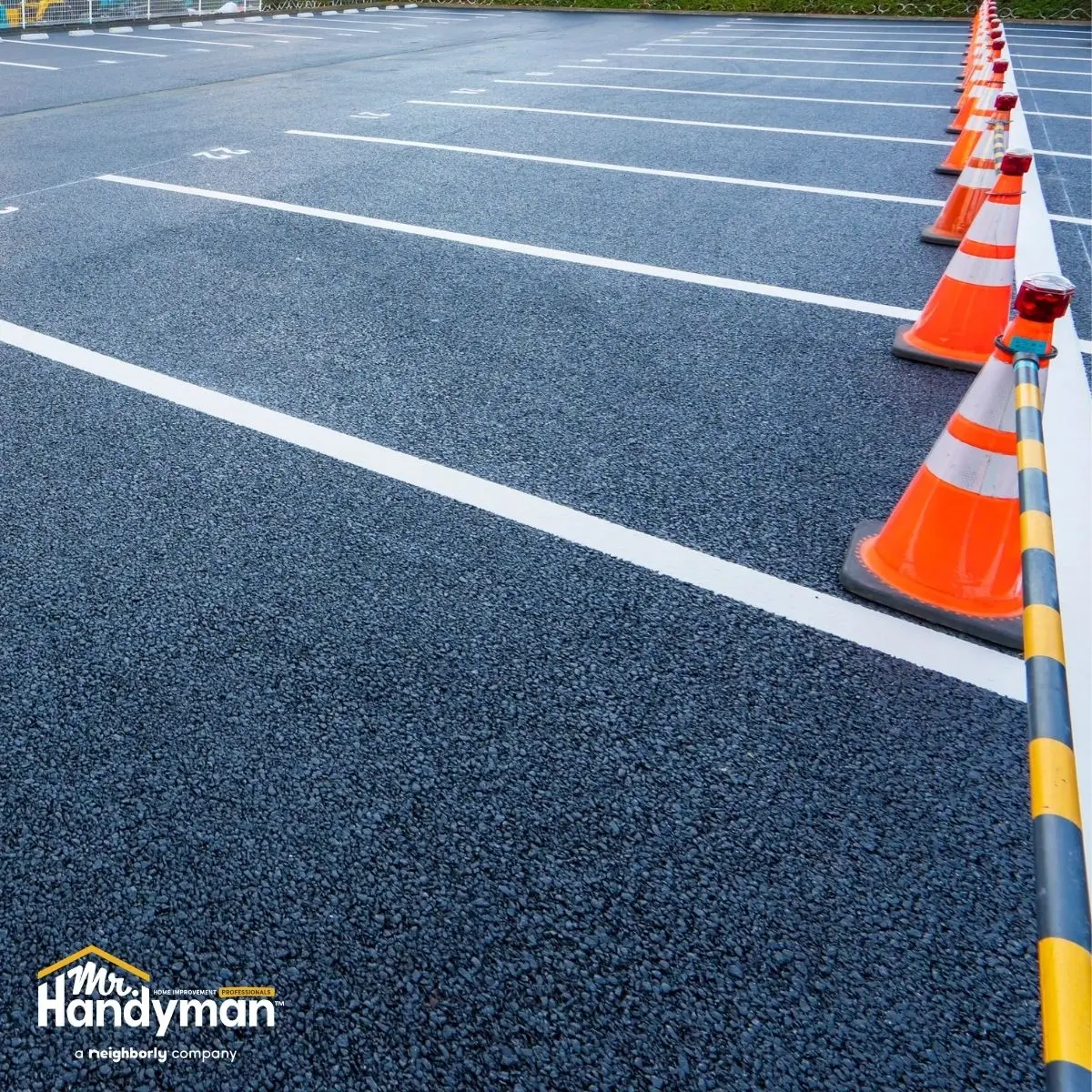
Commercial parking lots in Middle Tennessee carry the combined effects of winter temperature cycling, spring rainfall, and the vehicle loads of continuous daily use in a way that makes them one of the highest-maintenance exterior elements on any commercial property. Asphalt pavement that entered winter with existing crack networks exits winter with those cracks widened and deepened by the infiltration, freezing, and expansion of water within the crack structure. Base material that was compromised by water infiltration through surface cracks develops soft spots and depressions that progress toward pothole formation under continued vehicle loading.
Crack sealing in spring addresses the widened crack network before water infiltration through the summer rainy season further compromises the base material beneath. Hot-applied crack sealant fills and bridges the crack, preventing water entry while maintaining flexibility through the temperature cycling that summer and the following winter will deliver. Crack sealing is the most cost-effective pavement maintenance intervention available and extends pavement service life significantly when applied before cracks have reached the point where base failure has begun.
Pothole patching addresses the base failure conditions that crack sealing cannot resolve, restoring a trafficable surface at failure locations and eliminating the vehicle damage liability that open potholes create. In Middle Tennessee commercial parking lots where spring rainfall keeps pavement wet during the critical period when vehicle traffic is loading the weakened base, pothole development can proceed faster than property managers expect once it begins. Addressing potholes early in spring, before they expand laterally under traffic loading, contains the repair to the minimum necessary scope.
Concrete flatwork in commercial settings, including sidewalks, curbs, wheel stops, and entry approach slabs, presents its own set of post-winter repair requirements. Settled concrete panels that have created lips at panel joints, damaged curb sections, and wheel stops that have shifted or broken create trip hazards and vehicle damage conditions that carry liability exposure through every day of the busy season. Grinding settled panel joints to eliminate lips, replacing damaged curb sections, and resetting or replacing wheel stops are all repairs that are straightforward in scope but significant in the liability protection they provide.
Frequently Asked Questions
How do I prioritize exterior repairs when the budget does not cover everything at once?
Prioritization should follow a clear hierarchy. Safety conditions that create immediate liability exposure, including trip hazards on walkways and entry approaches, structural concerns with canopies or signage mounts, and lighting failures in areas where customers move after dark, belong at the top of the list regardless of their relative cost. Water infiltration conditions that will worsen through spring and summer rainfall if left unaddressed belong second. Cosmetic conditions that affect presentation but do not create safety or structural risks can be scheduled for a subsequent maintenance cycle without immediate consequence.
What exterior repairs require permits in Murfreesboro, Franklin, or Brentwood?
Permit requirements vary by scope and municipality. Structural repairs, signage modifications, electrical work including exterior lighting upgrades, and any work that alters the building envelope typically require permits and inspections in most Tennessee jurisdictions. Cosmetic repairs including painting, sealant replacement, minor masonry repointing, and surface patching generally do not. Confirming permit requirements with the relevant building department before beginning work that might trigger requirements protects the property owner from compliance issues and ensures the work is documented correctly.
How often should commercial exterior painting be scheduled in Middle Tennessee?
Exterior paint on commercial buildings in Middle Tennessee typically requires recoating on a five to seven year cycle for properly prepared and applied quality coatings. Buildings with significant sun exposure on south and west-facing facades may need attention closer to the five year end of that range. Buildings with masonry facades that were painted over existing coatings may show adhesion failure sooner. A pre-season condition assessment that evaluates chalking, peeling, and adhesion quality at representative locations gives a reliable indication of whether recoating is needed in the current season or can be deferred to the following cycle.
Can exterior repairs be completed during business hours without disrupting operations?
Most exterior repair work can be sequenced and managed to minimize disruption to business operations. Parking lot repairs can be phased to keep the majority of spaces available while specific areas are addressed. Facade work and entry system repairs can be scheduled during lower-traffic periods of the business day or week. Roofing work typically proceeds above the occupied space without interior disruption unless active water intrusion is present. A contractor experienced in commercial property work understands operational continuity requirements and plans work sequencing accordingly.
What is the most common exterior repair Middle Tennessee businesses overlook before busy season?
Caulking and sealant replacement at window, door, and facade transitions is consistently the most overlooked pre-season exterior repair in commercial properties throughout Murfreesboro, Franklin, and Brentwood. Failed sealant at these transitions is not visually dramatic, which is why it rarely rises to the top of a maintenance priority list. But the water infiltration it allows through spring and summer rainfall accumulates inside wall assemblies, affecting insulation, interior finishes, and structural framing in ways that are significantly more expensive to address than the sealant replacement that would have prevented them.
Your Building's Exterior Reflects Your Business Standard
The condition of a commercial property's exterior is not a separate concern from the business operating inside it. It is a direct and visible expression of that business's operational standards, its attention to detail, and its commitment to the experience of every person who approaches and enters the property. For businesses in Murfreesboro, Franklin, and Brentwood, the window before the summer busy season is the most practical and most strategically valuable time to bring exterior conditions to the standard that the season's customers, clients, and business partners will expect when they arrive.
Mr. Handyman of Murfreesboro, Franklin, and Brentwood brings professional commercial exterior repair capabilities to businesses throughout the region. From facade repairs and entry system maintenance to signage support, exterior lighting, and general commercial property upkeep, the team delivers reliable, professional service that prepares your property for its busiest and most visible season.
Website: https://www.mrhandyman.com/murfreesboro-smyrna/
Serving businesses throughout Murfreesboro, Franklin, and Brentwood with professional exterior repair services and the reliability your commercial property deserves before busy season begins.