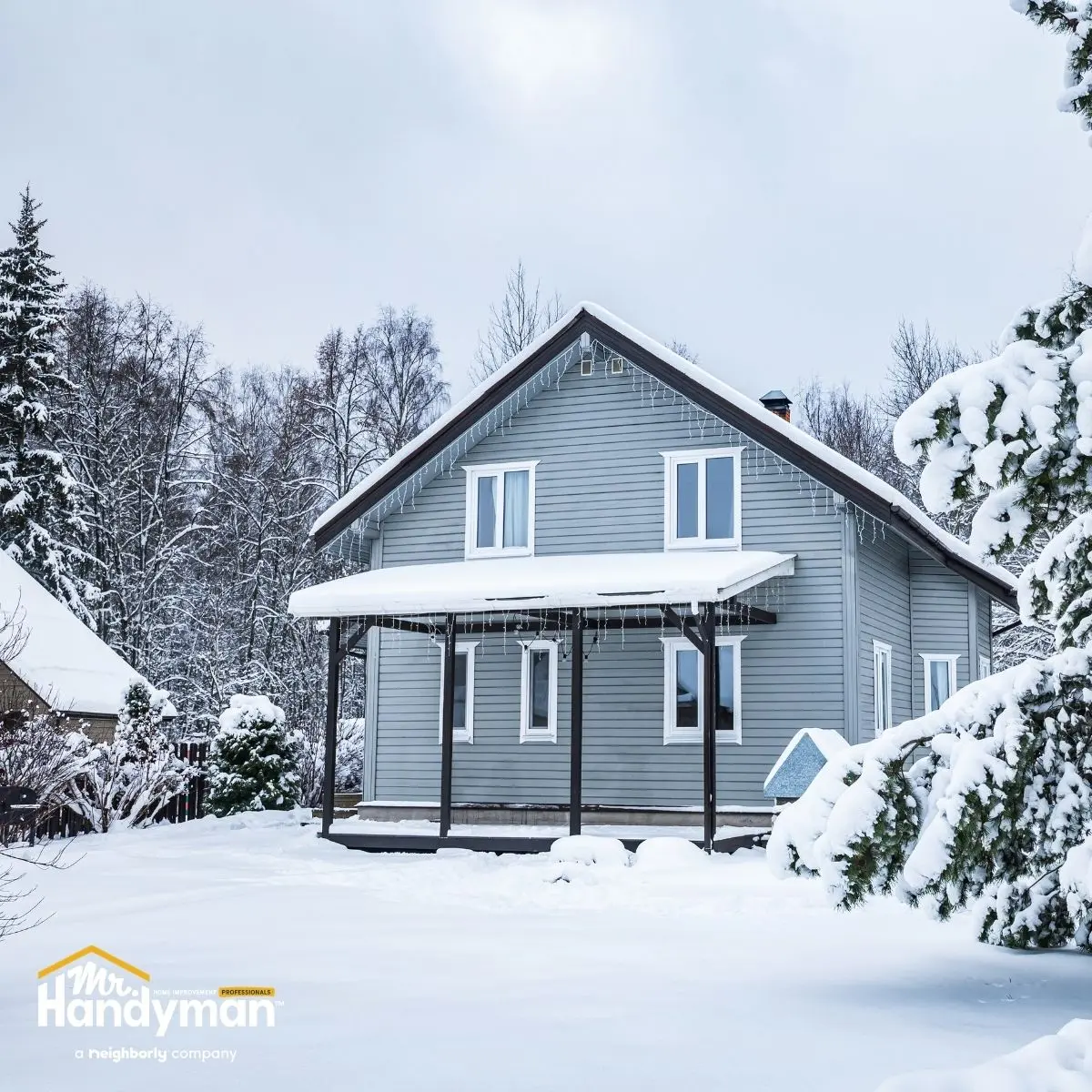
Winter in Middle Tennessee is not the most severe in the country, but it is reliably disruptive. Ice storms arrive with little warning and coat everything in weight-bearing ice that stresses structures, surfaces, and systems in ways that are not always immediately visible. Freeze and thaw cycles work at every sealed joint, mortar line, and pipe penetration throughout the cold months. Wind events accompany winter storms and stress fencing, roofing, siding, and exterior fixtures. And the sustained cold that settles in during January and February pushes heating systems, insulation, and building envelopes to perform at the outer edge of their design capacity. By the time spring arrives in Murfreesboro, Franklin, and Brentwood, virtually every home has accumulated a list of repairs that winter left behind, whether the homeowner is aware of them yet or not.
The challenge with post-winter repairs is that many of them are not immediately obvious. A pipe joint that was stressed by a freeze event may be weeping slowly inside a wall where it will not be noticed until the drywall shows a stain. A crack that opened in exterior caulking during a cold snap allows water infiltration that only becomes apparent during the first significant spring rain. A section of damaged roof shingles that was lifted by winter wind sits quietly until the next storm reveals what the previous one started. Understanding the most common categories of post-winter repair in Middle Tennessee homes means looking beyond what is visible on the surface and thinking systematically about what winter conditions do to each component of a house over an extended cold season.
Spring is the right time to work through those repairs with intention and urgency. Middle Tennessee's spring brings sustained rainfall that tests every weather seal, every drainage system, and every roof penetration. Summer follows with heat and humidity that accelerate the deterioration of any compromised surface or system that was not addressed in the spring window. And the longer post-winter repairs are deferred, the more opportunities those developing conditions have to progress from manageable repairs into costly remediation projects. Acting on post-winter repairs in spring is not optional maintenance. It is the discipline that protects a home's structural integrity and long-term value.
Exterior Paint and Siding Damage From Winter Exposure
Exterior painted surfaces and siding systems face some of the most demanding conditions that Middle Tennessee winters deliver. The combination of moisture from rain and ice events, freeze and thaw cycling that expands and contracts the substrate beneath the paint film, and wind-driven debris impact creates a cumulative stress on exterior finishes that reveals itself clearly in spring when the warm light and dry conditions make surface conditions visible that winter's low angle light and continuous overcast obscured.
Paint failure on exterior wood surfaces typically presents in spring as peeling, checking, or bubbling that was not present or was not as advanced before winter began. Peeling paint on trim, soffits, and siding is not purely a cosmetic problem. It is a signal that moisture has gotten behind the paint film and is disrupting its bond with the substrate. In Middle Tennessee, where spring humidity follows winter moisture stress, paint that has begun to fail continues to fail faster in warm, humid conditions than it did through the cold months. Addressing peeling exterior paint in spring means properly preparing the surface, which includes scraping, sanding, priming bare wood, and applying quality exterior paint, rather than painting over failing material that will continue to lift and peel beneath the new coat.
Fiber cement siding, which is common in Middle Tennessee construction from the past two decades, handles winter conditions reliably when it is properly painted and sealed at all joints and penetrations. Where fiber cement siding develops post-winter problems, they typically appear at the bottom edges of siding planks that were installed without adequate clearance from grade, at cut edges that were not properly primed and sealed during installation, or at joint locations where caulking has aged and cracked. These are entry points for moisture that the siding material itself absorbs, causing swelling and surface deterioration that progresses significantly faster in humid spring conditions than it does through winter. Identifying and sealing those vulnerable points in spring prevents moisture-driven fiber cement damage from accelerating through the warm season.
Wood siding in older homes throughout Franklin's historic neighborhoods and established Murfreesboro residential areas faces the most demanding post-winter repair requirements of any exterior cladding type. Wood's natural response to moisture cycling, expanding when wet and contracting when dry, opens joints between siding courses, works at paint film adhesion, and stresses the fasteners that hold siding to the wall framing behind it. Post-winter inspection of wood siding should look for boards that have cupped or warped, fasteners that have backed out from the substrate, and joints between boards where gaps have opened enough to allow water entry. These conditions are repairable when caught in spring and significantly more expensive when they have been allowed to allow water into the wall assembly through a full season of rainfall.
Roof and Gutter Repairs That Cannot Wait Until Summer
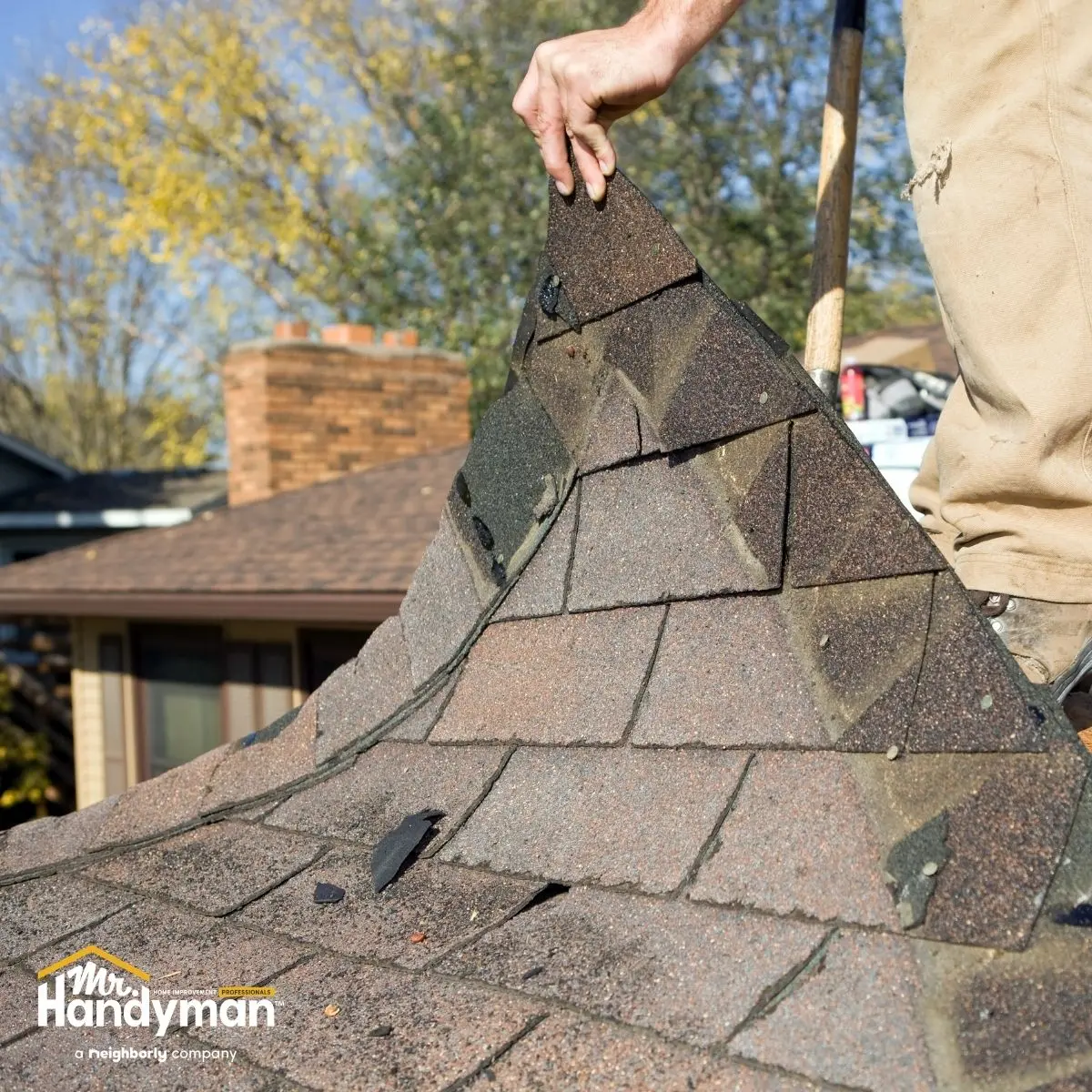
Roofing and gutter systems bear more of winter's stress load than any other exterior component of a Middle Tennessee home. Ice that accumulates on roof surfaces and in gutters applies weight loading that fasteners, gutter hangers, and roofing materials were not designed to carry continuously. Wind events that accompany winter storms lift shingle edges, compromise flashing seals, and deposit debris that blocks drainage. And the freeze and thaw cycling that characterizes Middle Tennessee winters works specifically at the points where different roofing materials meet, where flashing transitions occur, and where penetrations through the roof deck create opportunities for water entry.
Shingle damage from winter wind events is one of the most common post-winter roofing conditions in Middle Tennessee homes, and it is one of the most consequential when left unaddressed through a spring and summer of rainfall. Missing shingles create direct water entry points at the exposed roof deck. Shingles that have been lifted and re-laid by wind may appear intact from the ground but have broken the adhesive seal strip that bonds them to the shingle course below, making them vulnerable to lifting again in the next wind event and allowing water to infiltrate beneath them during rain. A post-winter roof inspection conducted by a professional who can safely access the roof surface, rather than a ground-level visual assessment, is the only reliable way to identify those partially compromised shingles before spring rains reveal them through interior water staining.
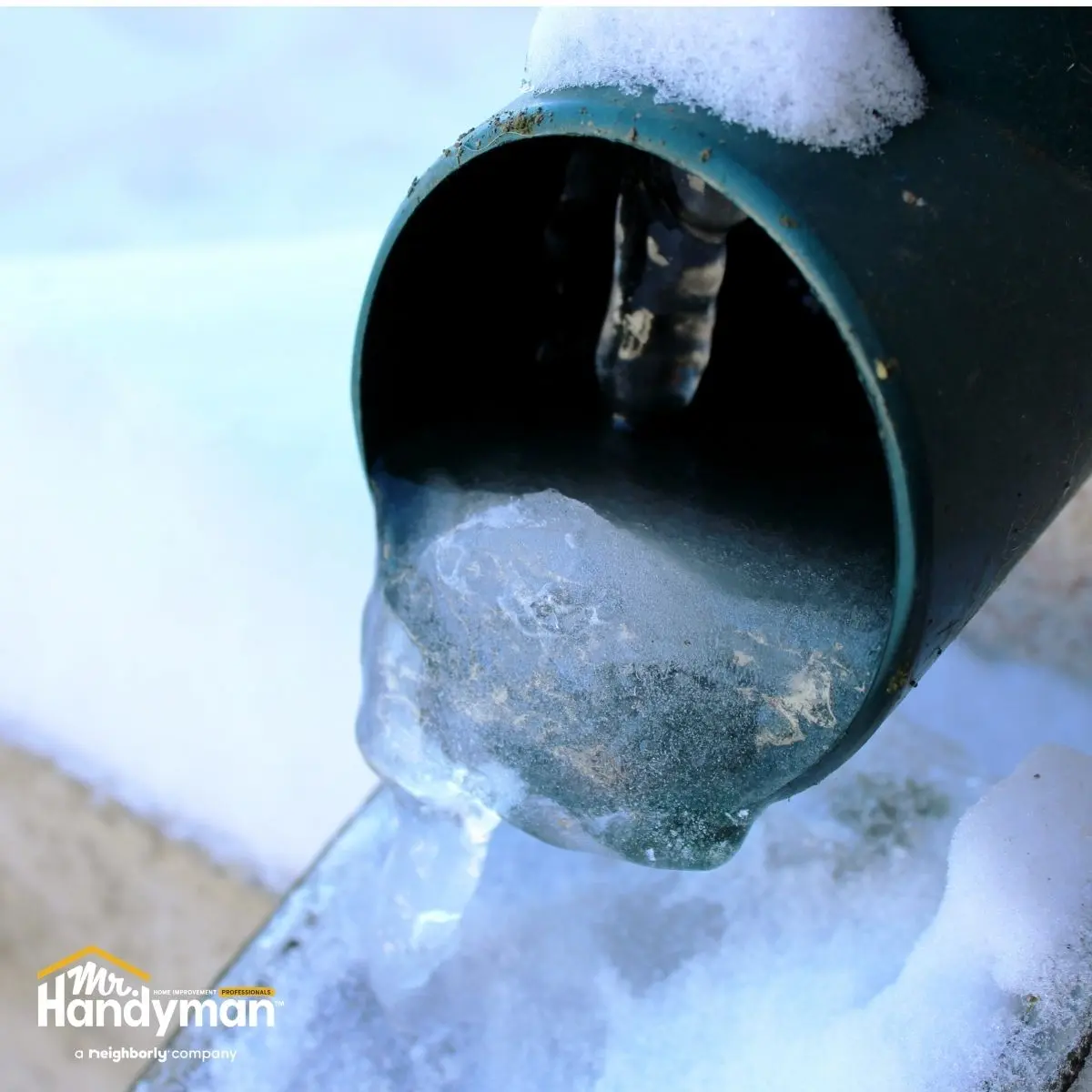
Gutter systems that survived winter carrying ice loads frequently show the evidence of that experience in the form of hangers that have pulled away from the fascia, gutter sections that have separated at their joints, and downspout connections that have loosened or disconnected. A gutter system that is not securely attached to the fascia and draining effectively is worse than no gutter system, because it collects roof runoff and delivers it in concentrated volumes against the foundation and exterior wall base rather than directing it away from the structure. Spring gutter inspection and repair, including rehinging detached sections, resealing leaking joints, and clearing any debris accumulation that winter deposited in the channels, restores the drainage function that protects the foundation, basement, and exterior walls from the moisture intrusion that Middle Tennessee's spring rainfall would otherwise direct toward them.
Interior Drywall and Paint Repair After Winter Stress
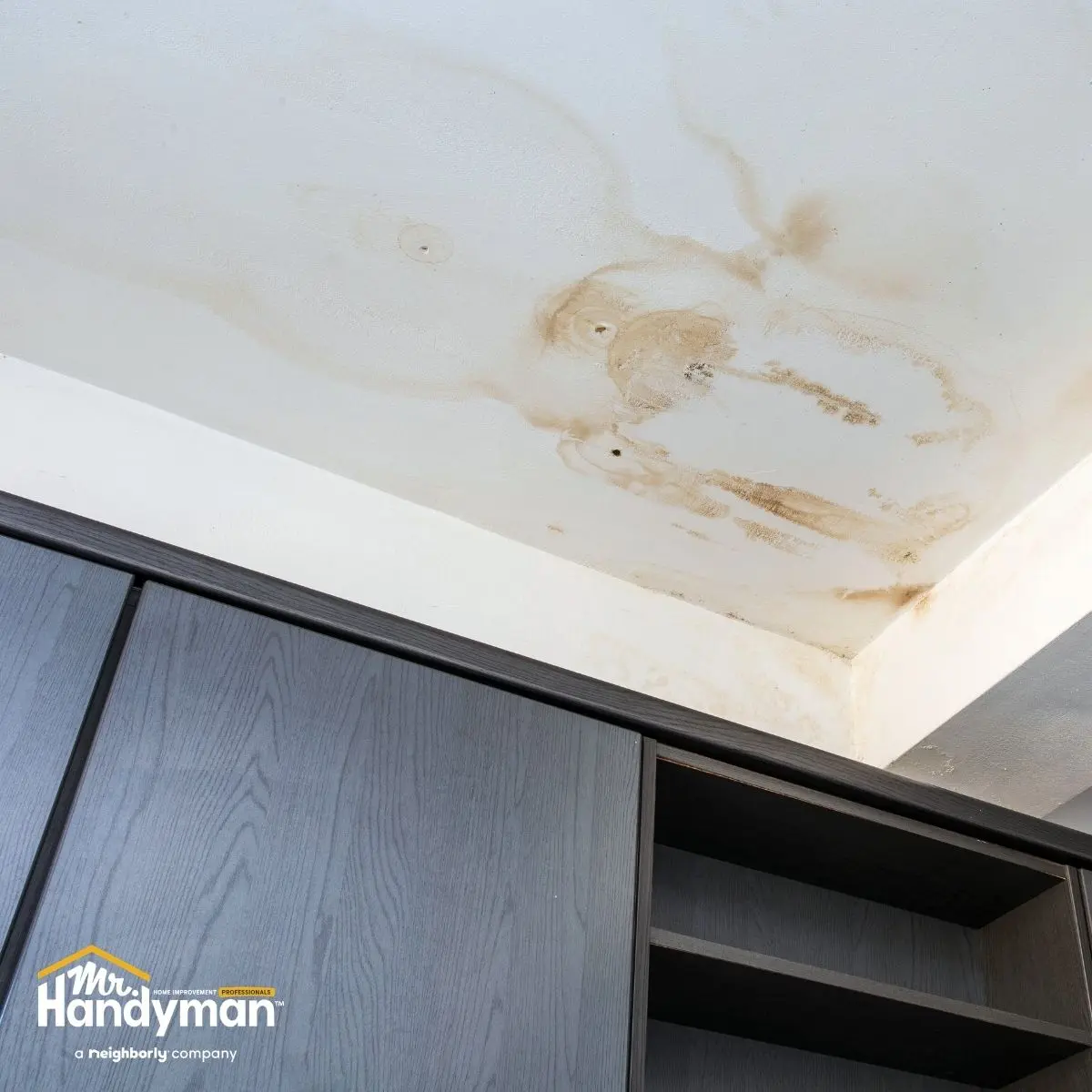
Interior surfaces in Middle Tennessee homes accumulate winter damage that is often subtle in individual instances but significant in its cumulative visual impact on the home's appearance and finish quality. Nail pops, hairline cracks at drywall seams, and paint finish deterioration in areas of high humidity exposure are all conditions that winter's temperature cycling and moisture variations produce and that spring is the right time to address systematically.
Nail pops occur when the framing lumber behind the drywall loses moisture through the heating season, shrinking slightly and pushing the drywall fasteners outward from the wall surface. The small circular protrusions or dimples they create are individually minor but become visually prominent when there are multiple instances across a wall or ceiling surface. Addressing nail pops correctly involves driving the existing fastener below the surface, installing a new screw adjacent to it to secure the drywall panel, and applying joint compound over both fastener locations before sanding and repainting. Attempting to address nail pops by simply driving the existing fastener back in without securing the panel typically produces a repair that recurs within the next heating season.
Ceiling cracks at drywall seams in rooms directly below the attic are particularly common post-winter conditions in Middle Tennessee homes where attic temperature cycling is extreme. As attic framing expands and contracts through winter temperature swings, the drywall ceiling below flexes along its seam lines, eventually opening hairline cracks that were taped and finished during original construction. Repairing these cracks properly involves opening the crack slightly, applying fiberglass mesh tape, feathering joint compound in multiple thin coats, and repainting the repaired area with ceiling paint that matches the existing finish. A crack repair that is rushed through fewer coats of compound than the repair requires will show through the paint finish within a season as the compound shrinks during curing.
How Winter Damage Develops Differently Across Middle Tennessee Homes
The post-winter repair landscape in Murfreesboro, Franklin, and Brentwood reflects the same diversity of home ages, construction types, and site conditions that shapes every maintenance conversation in this region. Understanding how winter damage develops specifically in the context of your home's age, construction type, and location helps prioritize the post-winter repair process in a way that addresses the most consequential conditions first and allocates repair investment where it delivers the most lasting protection.
Older homes in Murfreesboro's established neighborhoods near the historic downtown carry post-winter repair requirements that reflect decades of accumulated seasonal cycling through materials and systems that have been repaired, modified, and maintained by multiple owners over many years. Exterior caulking and sealant in these homes may have been applied in multiple layers over previous applications, producing a compound condition where the outermost layer fails while the layers beneath it are no longer bonded to the substrate. Window glazing compound in older wood frame windows, which seals the glass pane to the sash, dries and shrinks through repeated winter cycling until it pulls away from the glass edge and allows water to reach the wood sash beneath. Exterior wood trim that has been painted repeatedly without adequate surface preparation between coats accumulates paint film thickness that the substrate can no longer support, producing the wholesale peeling that requires full stripping rather than the surface preparation appropriate for a first or second repaint cycle.
Franklin's older residential neighborhoods present a specific post-winter challenge in the form of homes with significant architectural detail, including decorative trim, wood columns, porch structures, and historical features that require maintenance approaches appropriate to their construction and character. Porch structures in Franklin homes that are original to the house or that were constructed using traditional materials carry post-winter repair requirements at every joint, every paint surface, and every structural connection point between columns, beams, and decking. Porch decking that has absorbed winter moisture and then dried unevenly develops checking and cupping that accelerates deterioration if it is not addressed with appropriate sealing and finishing before the summer humidity season introduces additional moisture cycling. Column bases that sit close to the porch deck surface collect moisture from both rainfall and condensation, and the wood at those bases is among the first material in any porch structure to develop rot that requires repair or replacement.
Brentwood's newer and larger homes carry post-winter repair requirements that differ in character from older construction but are no less real in their consequence if deferred. Exterior insulation and finish system facades on Brentwood homes from the 1990s and 2000s are particularly sensitive to the impact damage and sealant failure that winter conditions produce at their most vulnerable points. Impact damage from ice falling from roof edges or gutters creates small punctures in the system surface that are easy to overlook in a ground-level assessment but that allow moisture to reach the substrate, where it produces the kind of damage that reveals itself as bubbling, delamination, or soft spots in the facade surface months after the original breach.
Window and Door Repairs That Winter Leaves Behind
Windows and doors in Middle Tennessee homes face winter stress at every component, from the glazing and frame to the hardware, weatherstripping, and threshold seals that determine how effectively the assembly performs as a weather barrier and a security element. Post-winter window and door inspection covers all of those components systematically, identifying conditions that winter cycling has developed or accelerated and that spring repair addresses before summer heat and humidity compound them.
Weatherstripping is the component of window and door assemblies that most commonly requires post-winter attention across all home ages and construction types in Middle Tennessee. The foam, rubber, and pile weatherstripping products used in residential door and window assemblies compress and recover through repeated operation cycles, and the extreme temperature cycling of winter accelerates the fatigue that eventually prevents full recovery. Weatherstripping that has compressed permanently, that has torn or detached from its channel, or that has hardened to the point where it no longer conforms to the contact surface it is sealing is no longer performing its intended function. Replacing weatherstripping on exterior doors and operable windows in spring restores the thermal and weather seal that keeps conditioned air inside and unconditioned air, moisture, and insects outside through the months ahead.
Window glazing and frame conditions in older wood windows throughout Franklin and Murfreesboro homes deserve specific post-winter attention because of the combination of conditions that winter produces in wood frame window systems. Glazing compound that has pulled away from the glass edge at even a small section of the perimeter allows water to reach the wood sash, which absorbs moisture and swells during wet periods and then dries and shrinks through dry periods, eventually producing the kind of sash deterioration that requires full sash replacement rather than glazing compound repair. Catching and resealing glazing compound failures in spring, before a full season of rainfall has cycled through the exposed joint, is the repair that extends the service life of original wood windows significantly beyond what neglect would allow.
Door hardware that has stiffened, corroded, or begun to bind through winter needs servicing or replacement before the summer months when doors are operated more frequently and when hardware that is not functioning smoothly creates the kind of daily friction that motivates homeowners to defer replacement rather than address it, allowing further deterioration. Deadbolt mechanisms that require excessive force to throw and retract, door handles that are loose at their base plates, and hinges that have developed creaking or binding through winter corrosion are all post-winter hardware conditions that a spring repair addresses efficiently and at modest cost.
Concrete, Masonry, and Hardscape Repairs After Freeze-Thaw Cycling
Concrete driveways, sidewalks, patios, and masonry structures throughout Middle Tennessee homes carry some of the most visible post-winter damage of any home component, because the freeze and thaw cycling that Middle Tennessee winters deliver works directly and aggressively on any water that has infiltrated concrete or masonry surfaces through existing cracks, surface porosity, or joint failures. Water that enters a crack in a concrete surface, freezes, and expands applies internal pressure that widens the crack beyond its pre-freeze dimension. Over multiple freeze and thaw cycles through a single winter, crack networks in concrete surfaces develop significantly, and surface spalling from repeated freeze-thaw action at the surface layer progresses in area and depth.
Concrete driveway crack sealing in spring addresses the widened crack network that winter produced before spring rainfall saturates those cracks and the base material beneath them. Hot-applied or cold-applied crack sealant fills and bridges the crack, preventing water entry through the upcoming wet season and slowing the rate at which the crack continues to develop under thermal cycling and vehicle loading. Crack sealing is the most cost-effective concrete maintenance intervention available, and it is most effective when applied while cracks are still in the early to mid stages of development rather than after base material compromise has begun.
Masonry retaining walls, chimney structures, and decorative masonry elements in Murfreesboro and Franklin homes face post-winter mortar joint deterioration that requires attention before spring rainfall introduces additional moisture into already compromised joint conditions. Mortar joints that have cracked, crumbled, or pulled away from adjacent masonry units are direct water entry points that allow moisture to saturate the masonry assembly, producing the efflorescence, spalling, and progressive structural deterioration that deferred repointing accelerates. Repointing deteriorated mortar joints in spring, using mortar mix appropriate to the original masonry construction, prevents the masonry moisture cycling that drives accelerated deterioration through the wet season.
Frequently Asked Questions
How do I know if post-winter damage requires professional repair or is something I can handle myself?
Surface-level repairs including touch-up painting, weatherstripping replacement, minor caulking, and small concrete crack sealing are reasonable DIY tasks for a prepared homeowner with appropriate materials and basic skills. Repairs that involve working at height on ladders or roofs, opening walls to address plumbing or structural conditions, or addressing damage that may have affected structural components require professional assessment and execution. The general rule is that repairs where a mistake creates safety risk or significantly worsens the condition being addressed belong in the professional category.
Is post-winter roof damage typically covered by homeowner's insurance?
Sudden and accidental damage from specific winter events, including wind damage that removes shingles and ice damage that collapses gutters, is typically covered under standard homeowner's insurance policies subject to the applicable deductible. Damage that results from gradual deterioration or lack of maintenance is typically excluded. Documenting the condition of your roof before and after specific winter storm events, including photographs with dates, creates the evidentiary record that supports insurance claims for covered damage and demonstrates that the damage occurred in a specific event rather than through neglect.
What is the most important post-winter repair for Middle Tennessee homeowners to prioritize?
Roof and gutter conditions that allow water entry into the home or direct water against the foundation should be addressed before any other post-winter repair category because their consequence if left unaddressed through spring rainfall is the most immediate and the most severe. Interior water intrusion from a failing roof damages ceiling systems, insulation, wall framing, and flooring in ways that escalate rapidly once spring rains begin delivering sustained moisture loads through any opening that winter created or enlarged.
How do I find all the post-winter repairs my home needs without missing anything?
A systematic exterior walkthrough at close inspection range, covering the full perimeter of the home from the roofline to the foundation, is the starting point. Inside, check ceilings and walls in every room for staining, cracking, or surface changes that may indicate moisture intrusion or winter stress. Check under every sink, around every toilet base, and at every exterior hose bib connection. In the crawl space or basement, look for any moisture accumulation, frost damage to pipe insulation, or structural conditions that were not present before winter. Photographing every condition you find creates a repair list and a baseline record that supports both contractor conversations and insurance documentation.
When should I call a professional versus addressing post-winter repairs on my own schedule?
Any condition involving active water entry into the home, structural concern, or safety hazard requires prompt professional attention regardless of the current season or schedule. Conditions that are developing but not yet causing active damage benefit from professional assessment to determine their urgency and appropriate repair scope. Surface-level cosmetic repairs can be scheduled at the homeowner's convenience within the spring window without significant risk of further damage from the deferral.
Winter Left Work Behind. Spring Is When You Do It.
Every Middle Tennessee winter leaves a repair list. The homeowners who address that list systematically in spring are the ones whose homes maintain their structural integrity, their appearance, and their value through the seasons that follow. Those who defer post-winter repairs until conditions become impossible to ignore pay more for those same repairs, address more damage that accumulated between the time the repair was needed and the time it was made, and carry more risk of a developing condition becoming a significant failure during the spring and summer months when Middle Tennessee weather tests every vulnerable point a home has.
Mr. Handyman of Murfreesboro, Franklin, and Brentwood brings the skills, experience, and regional knowledge to help homeowners work through their post-winter repair list efficiently and thoroughly. From exterior paint and siding repairs to roofing, gutter, window, door, and concrete work, the team handles the full range of post-winter repairs that Middle Tennessee homes require with the professional quality and honest assessment your home deserves.
Website: https://www.mrhandyman.com/murfreesboro-smyrna/
Serving homeowners throughout Murfreesboro, Franklin, and Brentwood with professional post-winter repair services and the reliability your home deserves this spring.