Summer in Middle Tennessee is demanding. Temperatures climb into the upper eighties and nineties, humidity settles in and stays, and household water use increases significantly as families spend more time at home, run irrigation systems, fill pools, and push every plumbing fixture through heavier daily demand than any other season produces. For homeowners in Murfreesboro, Franklin, and Brentwood, the weeks before summer arrives represent the most valuable window of the year to address plumbing repairs that have been quietly developing through fall and winter. Catching those issues now, before heat and increased usage raise the stakes, is the kind of proactive thinking that separates manageable repairs from disruptive emergencies.
The connection between seasonal transitions and plumbing stress is well established. Winter puts mechanical stress on pipes, joints, and fixtures through freeze and thaw cycles. Spring adds moisture pressure through rainfall and groundwater activity. Summer then layers intense heat and peak water demand on top of a system that has already absorbed months of seasonal punishment. A pipe joint that held through winter with a minor weakness, a water heater that struggled through cold months, or an outdoor faucet that took frost damage in January are all examples of issues that will not improve on their own and that summer conditions will accelerate toward failure.
Addressing the most common and consequential plumbing repairs before summer arrives is not about being overly cautious. It is about understanding how seasonal conditions interact with the specific vulnerabilities of Middle Tennessee homes and acting within the window when repairs are still straightforward rather than urgent.
Why Pre-Summer Repairs Matter More in This Region
Middle Tennessee's climate creates a specific set of conditions that make pre-summer plumbing maintenance more consequential here than in more temperate regions. The combination of cold winters, wet springs, and intensely humid summers means that plumbing systems cycle through a wider range of thermal and moisture conditions than systems in milder climates experience. That cycling accelerates wear on every component, from supply line fittings to water heater anode rods to outdoor hose bib washers.
Homes in Murfreesboro, Franklin, and Brentwood also vary widely in age, which affects which repairs are most pressing for any given property. Newer construction in rapidly growing subdivisions east of Murfreesboro and in parts of Brentwood uses modern materials that handle seasonal transitions well when properly installed. Older homes near Franklin's historic district, established Murfreesboro neighborhoods close to downtown, and mature Brentwood subdivisions built in the 1970s and 1980s have plumbing systems with decades of accumulated wear that respond to seasonal transitions very differently.
Understanding which repairs are most relevant to your home's age, construction type, and location within Middle Tennessee allows you to prioritize the work that delivers the most protection before summer water demand peaks.
Addressing Leaking or Worn Faucets and Fixtures
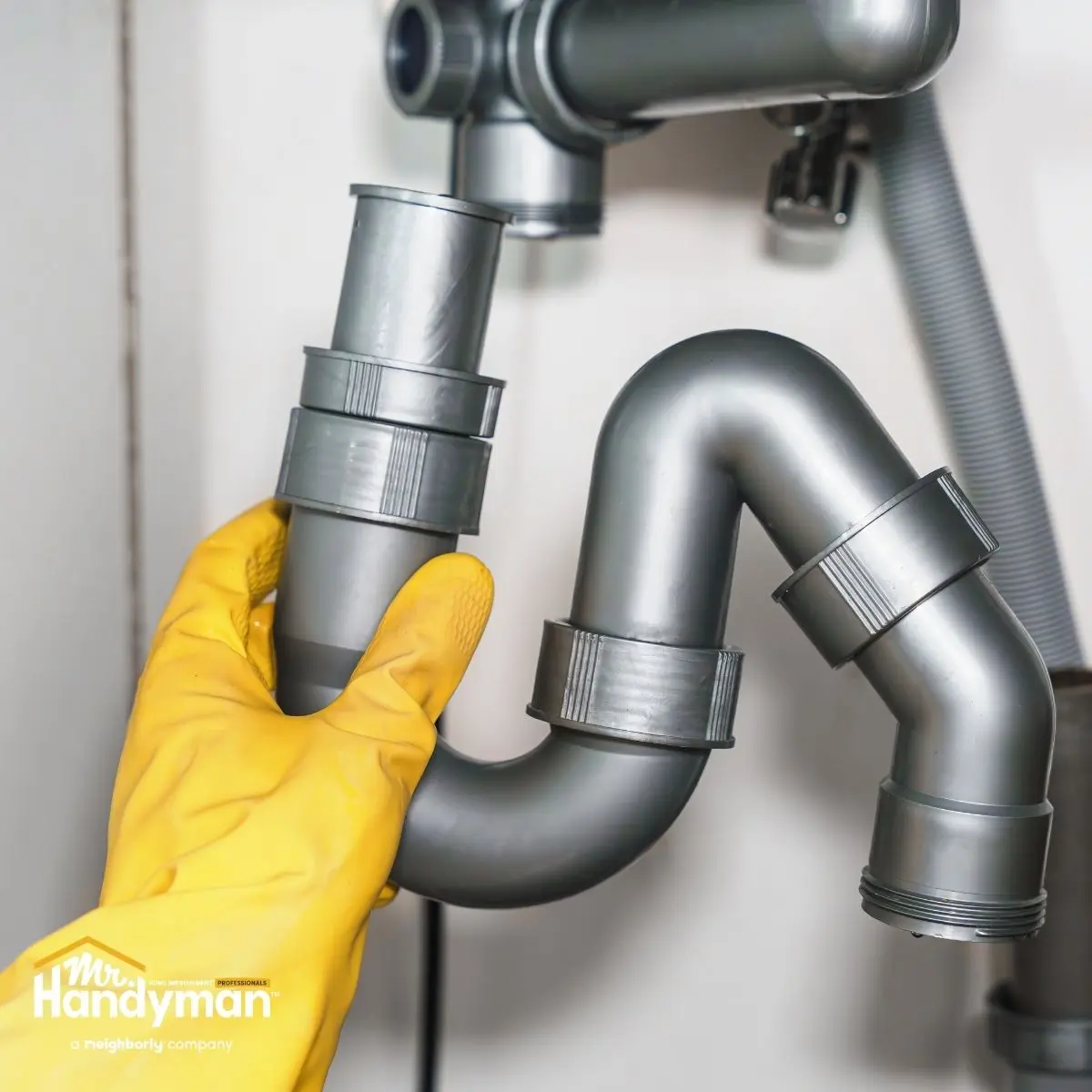
Leaking faucets are among the most common plumbing issues in Middle Tennessee homes, and they are also among the most consistently underestimated in terms of their cumulative cost. A faucet that drips once per second wastes nearly three thousand gallons of water per year. In a household with two or three dripping faucets, that waste adds meaningfully to annual water bills while also indicating internal wear that will worsen as usage increases through summer.
The mechanism behind most faucet leaks is straightforward. Cartridges, washers, and O-rings inside the faucet body degrade through repeated use and exposure to mineral deposits in the water supply. Once these components wear past the point where they seal effectively, the leak begins and progressively worsens. In Murfreesboro and parts of Franklin on municipal water systems with moderate mineral content, that degradation happens faster than in areas with softer water, making faucet maintenance a more frequent necessity.
Bathroom faucets in secondary bathrooms that see less regular use are a specific category worth inspecting before summer. Guest bathrooms that sit idle for weeks at a time develop different problems than heavily used fixtures. Cartridges in rarely used faucets can stiffen or seize from inactivity, and supply line connections that are never stressed by regular use can develop corrosion at the fittings that goes unnoticed. Running every faucet in the home and inspecting the connections beneath each one before summer adds a layer of assurance that the system is ready for increased seasonal demand.
Inspecting and Servicing the Water Heater
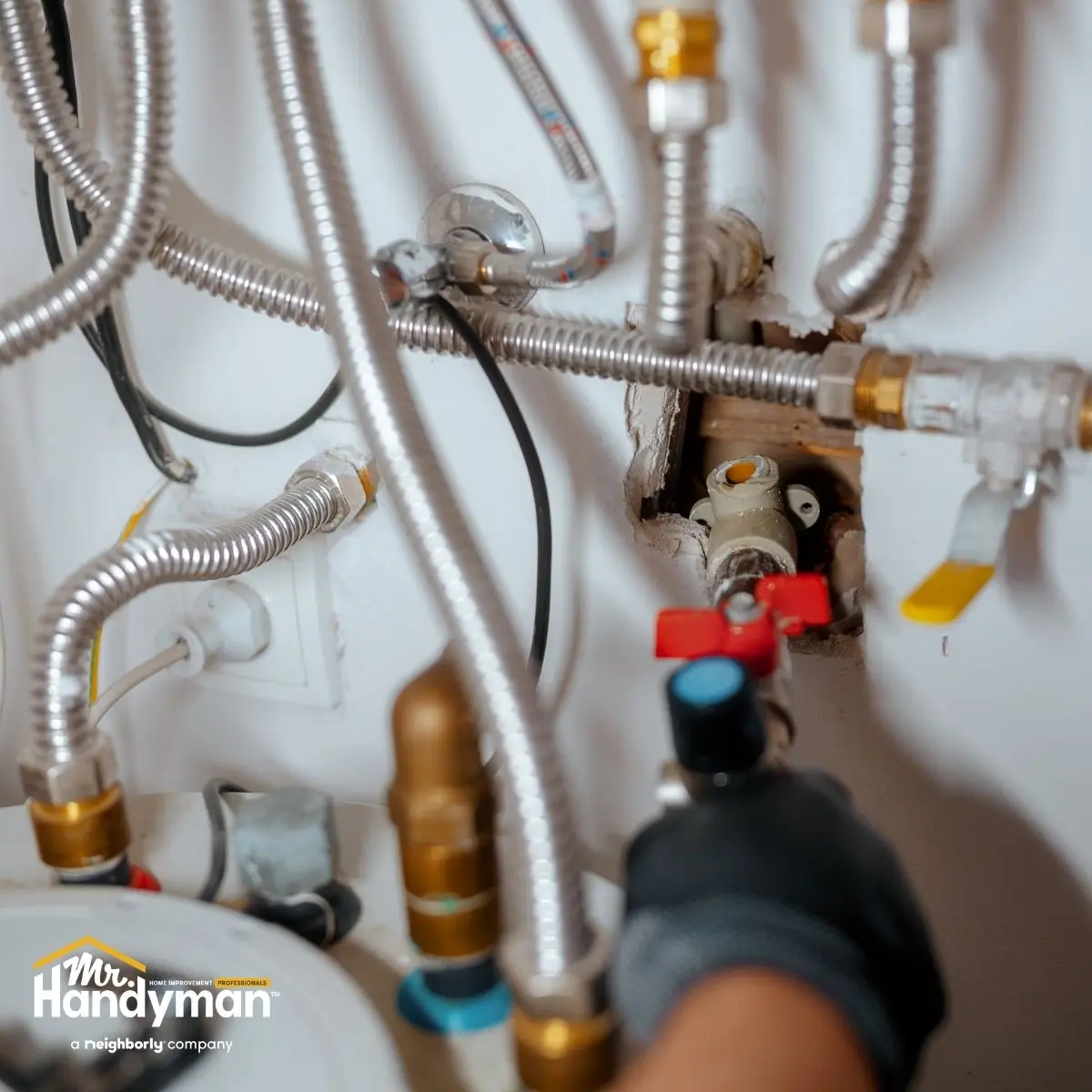
The water heater is one of the hardest-working appliances in any home, and it enters summer in its most worn condition of the year after carrying the load of cold-weather demand through winter. Incoming water temperatures drop significantly during Middle Tennessee winters, forcing the water heater to run longer and more frequently to maintain the set temperature. That increased workload accelerates sediment accumulation, stresses the heating element, and puts additional demand on the pressure relief valve and anode rod.
Flushing the water heater before summer removes sediment that has built up at the bottom of the tank through winter operation. Sediment acts as an insulating layer between the burner and the water above it, reducing efficiency and forcing longer run cycles to achieve the same output temperature. A water heater operating against significant sediment buildup uses more energy and produces less reliable hot water than a clean unit of the same age and capacity.
The anode rod, a sacrificial metal component inside the tank that prevents corrosion of the tank walls, has a finite lifespan that varies based on water chemistry and usage patterns. A depleted anode rod leaves the tank interior exposed to the corrosive effects of heated water, accelerating the deterioration that eventually leads to tank failure. In homes where the water heater is more than six years old and the anode rod has never been inspected or replaced, doing so before summer is a repair that can meaningfully extend the unit's service life.
Outdoor Plumbing and Irrigation Readiness
Outdoor plumbing components that took the brunt of Middle Tennessee's winter conditions deserve careful attention before summer irrigation and outdoor water use begins in earnest. Hose bibs, irrigation system connections, and outdoor shutoff valves all require inspection after the freeze and thaw cycles of winter before they can be relied upon through a summer of heavy use.
Hose bibs that developed frost damage during winter cold snaps may have internal cracks that are not immediately obvious. The crack may be in the pipe body behind the wall rather than in the visible exterior spigot, meaning water only appears when pressure builds during use. Testing each exterior hose bib slowly and watching both the spigot and the surrounding wall area for any sign of moisture is the correct approach before connecting hoses and beginning regular use.
Irrigation systems that were winterized by blowing compressed air through the lines before the first hard freeze should be brought back online carefully and methodically. Heads that were damaged by foot traffic or equipment over winter, zone valves that failed during the off season, and controller settings that no longer reflect current seasonal watering needs all warrant attention before the system runs on its regular summer schedule.
How Summer Demand Exposes Hidden Plumbing Weaknesses in Middle Tennessee Homes
The transition from spring to summer in Murfreesboro, Franklin, and Brentwood does not just bring higher temperatures. It brings a sustained increase in household water demand that stress-tests every component of a home's plumbing system simultaneously. Showers run longer, laundry cycles increase, dishwashers run more frequently, and outdoor water use adds demand that the system carries in addition to its normal indoor load. Plumbing components that were marginal through winter and spring frequently reveal their true condition during this sustained peak demand period.
Older homes throughout Franklin's established neighborhoods and Murfreesboro's historic areas carry plumbing systems that were designed for usage patterns and household sizes that may differ significantly from how those homes are used today. A home built in the 1970s with original supply lines, aging shutoff valves, and a water heater that has been replaced once may handle normal daily demand adequately while concealing vulnerabilities that only surface when summer pushes the system harder. The weeks before summer arrives are when those vulnerabilities are most efficiently and affordably addressed.
Brentwood's larger homes present a specific version of this challenge. More bathrooms, larger kitchens, and outdoor living spaces with dedicated water connections mean more simultaneous demand during summer gatherings and family activity. A plumbing system that handles two people comfortably through a quiet winter may show pressure inconsistencies, slow recovery on hot water, or fixture performance issues when five or six people are using it actively through a summer week. Pre-season repairs that address pressure regulation, water heater capacity, and fixture condition prepare the system for that increased load before it arrives.
Room by Room: Pre-Summer Plumbing Priorities
Bathrooms
Bathrooms accumulate wear faster than any other room in the home, and that wear becomes most noticeable when summer increases the frequency and duration of use. Toilets that run intermittently, showers with inconsistent pressure, and supply lines that have never been replaced are all issues that summer usage will push toward failure if they have not been addressed beforehand.
Toilet flappers are among the most frequently worn components in any bathroom and among the least frequently replaced until they cause an obvious problem. A flapper that no longer seals completely allows water to trickle continuously from the tank into the bowl, running the fill valve repeatedly and wasting significant water over the course of a day. In a home with multiple toilets, even one failing flapper can add hundreds of gallons to monthly water consumption. Inspecting and replacing flappers that show cracking, warping, or mineral buildup before summer begins is a low-cost repair with a meaningful return in water savings.
Showerheads that have accumulated mineral deposits through months of use deliver uneven spray patterns and reduced flow that make summer showers less effective and less efficient. Cleaning or replacing showerheads before the season peaks restores the performance the fixture was designed to deliver and removes a source of frustration that tends to go unaddressed far longer than it should.
Under Sinks Throughout the Home
The cabinet space beneath every sink in the home is one of the most information-rich areas for assessing plumbing condition, and it is one that most homeowners only open when retrieving cleaning products. A deliberate inspection of every under-sink space before summer, examining drain connections, supply lines, shutoff valves, and the cabinet floor for any sign of moisture or staining, takes less than an hour and can identify slow leaks that have been developing unnoticed.
Supply lines that show any bulging, cracking, or corrosion at the fittings should be replaced before summer demand increases the pressure cycles they experience daily. Shutoff valves that are stiff, corroded, or that have never been exercised should be assessed by a professional, as a valve that cannot close completely provides no protection during a supply line failure. These are inexpensive components when addressed during a planned inspection and expensive consequences when they fail during peak usage.
Garage and Utility Connections
Utility sinks, washing machine connections, and any plumbing in garage or laundry areas deserve specific attention before summer. Washing machine supply hoses that are more than five years old, particularly original rubber hoses, represent one of the highest failure risks in any home. Summer increases laundry frequency in most households, which increases the number of times those hoses pressurize and depressurize daily.
Replacing rubber washing machine supply hoses with stainless steel braided versions before summer is a straightforward and affordable upgrade that eliminates one of the most common sources of sudden, significant water damage in residential properties. A hose that fails while a wash cycle is running can release water at full supply pressure into the laundry room and adjacent spaces within minutes.
Frequently Asked Questions
How do I know if my home's water pressure is too high heading into summer?
Normal residential water pressure falls between 40 and 80 pounds per square inch. Pressure consistently above 80 PSI accelerates wear on every fixture, valve, and appliance connected to the supply system. Signs of excessive pressure include faucets that run louder than expected, toilets that fill rapidly and forcefully, and supply lines that feel firm and taut rather than flexible. A pressure gauge attached to an outdoor hose bib gives a reliable reading and costs very little. If pressure is above 80 PSI, having a pressure reducing valve inspected or installed before summer protects every component downstream.
Is it worth fixing a slow drain before summer or can it wait?
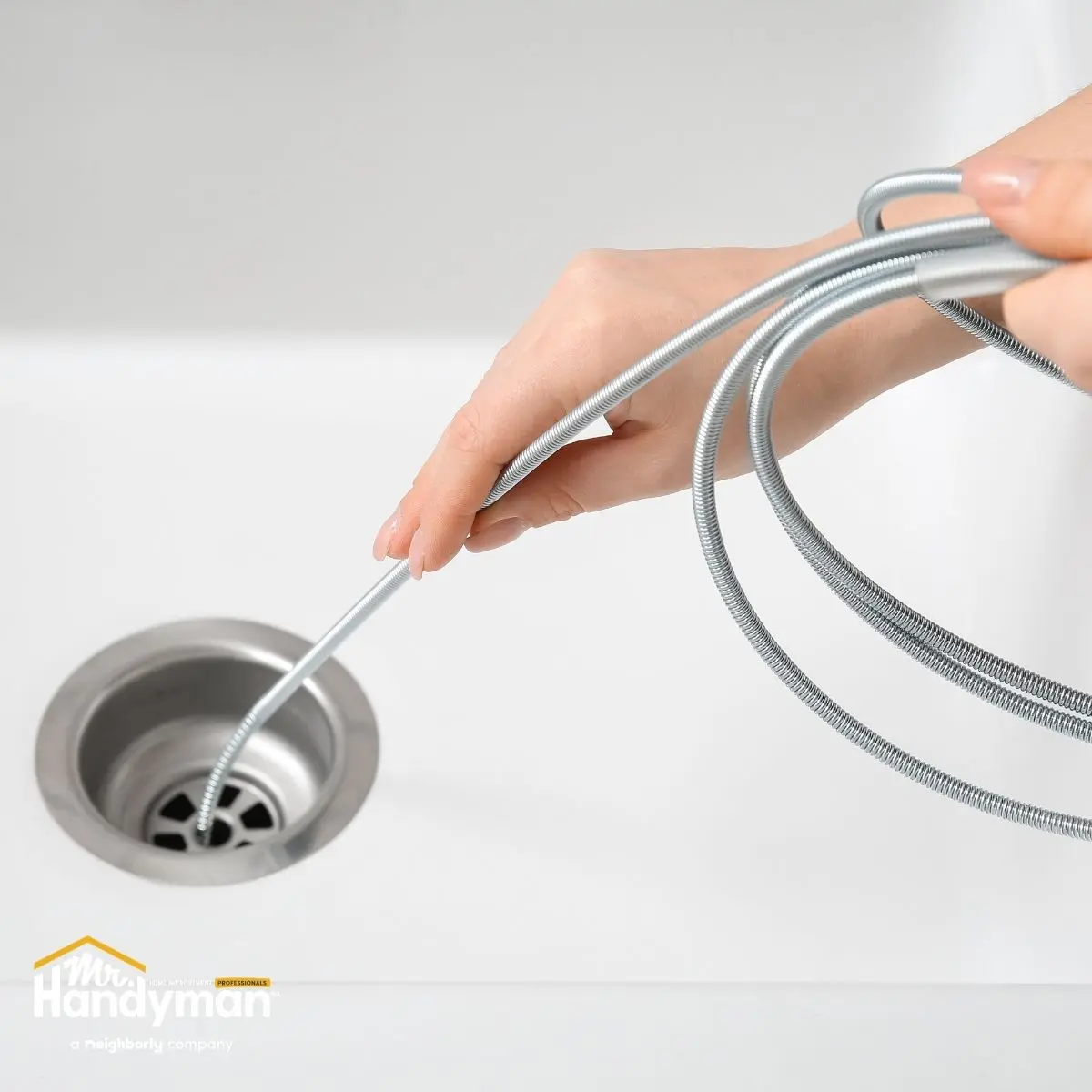
Slow drains rarely resolve on their own and consistently worsen with increased use. A kitchen drain that clears slowly in spring will drain more slowly by midsummer when cooking activity peaks. A bathroom drain that is partially blocked will become a standing water problem when summer shower frequency increases. Addressing slow drains before the season begins, whether through cleaning, snaking, or professional assessment, prevents the inconvenience from compounding into a full blockage during peak usage.
What is the most common plumbing repair Middle Tennessee homeowners overlook before summer?
Outdoor hose bib condition is consistently underestimated. Homeowners reconnect hoses in spring without testing the bib carefully or checking for frost damage from winter. A hose bib with an internal crack that goes undetected can introduce water into the wall cavity behind it every time it is used through summer, causing progressive damage that is not discovered until the interior wall shows staining or softening months later.
Should I have my main water shutoff valve tested before summer?
Yes, and this is a step most homeowners never take until an emergency makes it urgent. The main shutoff valve is the single point of control for all water entering the home, and a valve that cannot fully close during a plumbing emergency extends the duration and severity of any water damage event significantly. Testing the valve by closing it fully and then reopening it confirms it moves freely and seals properly. A valve that is stiff, that only partially closes, or that leaks at the packing nut when operated needs professional attention.
How do I prepare my outdoor plumbing for heavy summer use after a hard winter?
Start by testing every exterior hose bib slowly before connecting any hoses or irrigation equipment. Observe both the spigot and the wall around it for any moisture during the test. Confirm that the discharge path from the spigot directs water away from the foundation. For irrigation systems, bring each zone online individually and walk the zone while it runs, checking for broken heads, misaligned spray patterns, and zone valve leaks at the connections. Addressing each issue before the full system runs on its regular schedule prevents small problems from running unnoticed through an entire summer season.
Get Ahead of Summer Before Summer Gets Ahead of You
The plumbing repairs that cause the most disruption during summer are almost never sudden surprises. They are issues that were present in spring, visible to anyone who looked closely, and addressable before peak seasonal demand arrived. For homeowners in Murfreesboro, Franklin, and Brentwood, the window between the end of spring rain season and the beginning of summer heat and activity is the most practical and cost-effective time to address those repairs. Acting within that window keeps daily life uninterrupted and protects the home from the kind of damage that accumulates when marginal components are pushed past their limit by seasonal demand.
Mr. Handyman of Murfreesboro, Franklin, and Brentwood is ready to help homeowners work through their pre-summer plumbing repair list with skilled, professional service and honest assessments. From faucet repairs and water heater service to supply line replacement and outdoor plumbing inspection, the team handles every item on the list with the attention to detail your home deserves.
Website: https://www.mrhandyman.com/murfreesboro-smyrna/
Serving homeowners throughout Murfreesboro, Franklin, and Brentwood with dependable repairs and professional service before summer arrives.