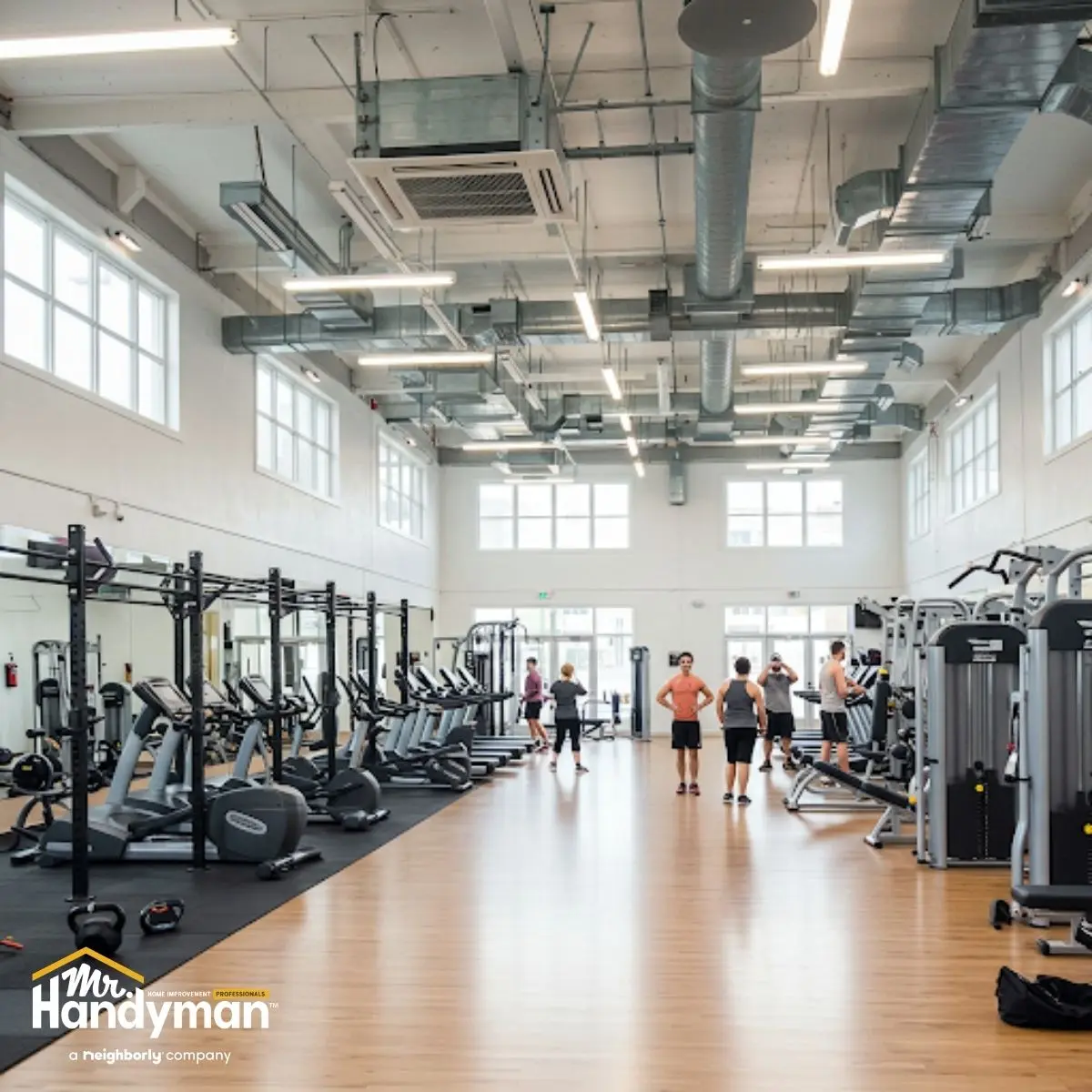
Air quality in a fitness facility is not a background environmental condition that members experience passively. It is an active and immediate dimension of every workout, affecting how members breathe, how their bodies respond to exercise intensity, how comfortable they feel throughout their session, and how they assess the overall quality of the facility they are choosing to spend their time and money in. Members exercising at elevated intensity breathe significantly more air per minute than at rest, which means the quality of that air has a proportionally greater impact on their physical experience than it would in a sedentary commercial environment. A fitness facility with excellent air quality creates a training environment where members feel energized, comfortable, and well-supported in their fitness goals. A facility with compromised air quality creates a training environment where members feel fatigued, uncomfortable, and uncertain about whether the space is genuinely clean and safe.
For gym owners and wellness center managers in Murfreesboro, Franklin, and Brentwood, HVAC maintenance is the operational discipline that most directly determines air quality outcomes in the facility. The HVAC system is responsible for filtering airborne particulates, managing temperature and humidity at levels that support comfortable training conditions, diluting the carbon dioxide and perspiration-related compounds that member activity introduces into the indoor air, and controlling the biological growth conditions that inadequate ventilation and humidity management create. When that system is properly maintained, it performs those functions continuously and reliably. When maintenance is deferred, each of those functions degrades in ways that members feel in their bodies before they identify HVAC failure as the cause.
Middle Tennessee's climate creates HVAC demands for fitness facilities that exceed those of more temperate regions. Summer heat and humidity that pushes outdoor conditions beyond the comfortable range for months at a time means that fitness facility HVAC systems run near their capacity limits for extended periods, accelerating the wear on components that less demanding climates allow to rest. Winter cold creates the temperature differential that drives moisture condensation in building assemblies and that pushes heating systems to sustained output levels. Spring and fall deliver the pollen, mold spore, and biological particle loads that Middle Tennessee's vegetation and humidity produce, creating filtration demands that inadequately maintained filter systems cannot meet. Understanding those regional demands is what allows fitness facility operators in this market to calibrate their HVAC maintenance programs to the actual conditions their systems face.
How HVAC System Condition Directly Affects Member Health and Performance
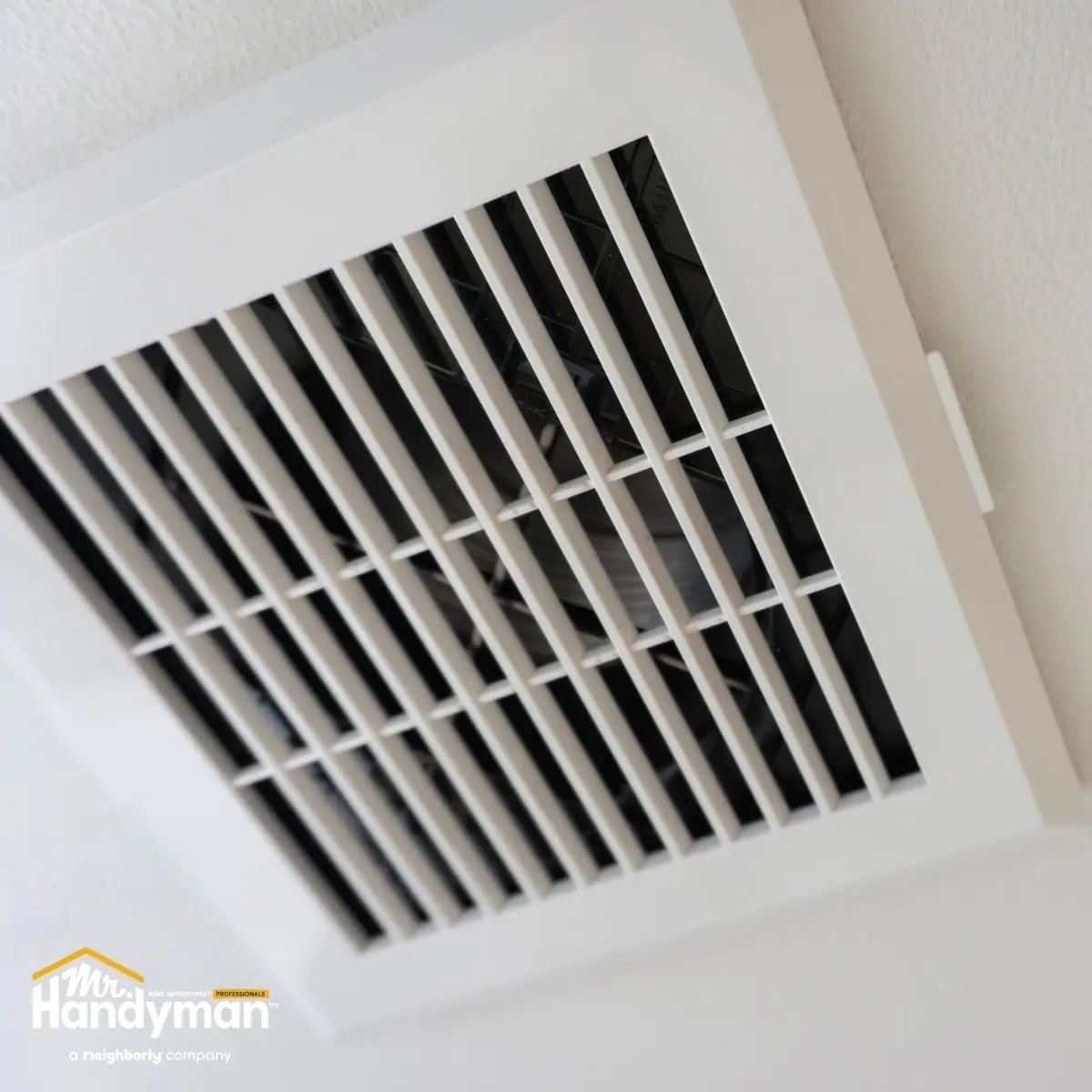
The relationship between HVAC maintenance and member health outcomes in fitness facilities is more direct than in most other commercial environments because of the elevated air consumption that exercise produces. A member performing moderate-intensity cardio exercise breathes at a rate several times higher than at rest, and a member engaged in high-intensity interval training breathes at rates that can approach ten times the resting ventilation volume. At those consumption rates, the concentration of any airborne contaminant, whether particulate matter, carbon dioxide, volatile organic compounds, or biological aerosols, is delivered to the member's respiratory system at a proportionally elevated dose compared to what the same air quality would produce at rest.
Carbon dioxide accumulation is the air quality condition that members most directly and most immediately experience in fitness facilities with inadequate ventilation maintenance. When HVAC systems are not delivering sufficient fresh air volume to dilute the carbon dioxide that member activity produces, CO2 concentrations rise above the levels where cognitive performance and perceived exertion are affected. Members training in a space with elevated CO2 concentrations experience earlier onset of fatigue, reduced mental clarity during coordination-dependent exercises, and a general sense of stuffiness or heaviness that they may attribute to the difficulty of their workout rather than to the air quality of the environment. In a fitness facility where member experience of workout quality directly influences their assessment of training effectiveness and facility value, CO2 accumulation from inadequate ventilation maintenance creates a member experience problem that HVAC service directly resolves.
Humidity management failure is the HVAC condition that most aggressively affects both member comfort and the biological quality of the air members breathe during training. When HVAC systems are not maintaining relative humidity at the levels that prevent biological growth, moisture accumulates on every surface within the facility where conditions support microbial colonization. Ductwork interiors, drain pans, coil surfaces, and any building material in the facility's air stream with sufficient moisture and organic content become biological growth sites that introduce mold spores, bacteria, and their metabolic byproducts into the circulating air. Members exercising at elevated ventilation rates in that air are exposed to biological aerosols at doses that create respiratory irritation, allergic responses, and the health concerns that generate the member complaints and negative reviews that facility operators in Middle Tennessee's competitive fitness market cannot afford to accumulate.
Filter system performance is the HVAC maintenance element that most directly determines the particulate air quality that members experience during training. Commercial fitness facility HVAC filters are the primary barrier between the particulate-laden outdoor air that Middle Tennessee's pollen seasons and air quality conditions deliver and the indoor training environment where members breathe at elevated rates. A filter that is loaded with accumulated particulate matter, which occurs progressively between replacement intervals, loses its capacity to capture new particles as its media becomes saturated. Particles that penetrate a loaded filter enter the air stream and ultimately the training environment, where members breathing at exercise rates deposit them in their airways at doses that would not occur in a properly filtered environment. Regular filter replacement on intervals that account for the actual loading rate of the facility's environment, rather than generic manufacturer recommendations written for average conditions, is the maintenance discipline that keeps filtration performance at the standard member respiratory health requires.
The Maintenance Protocols That Preserve Air Quality Performance
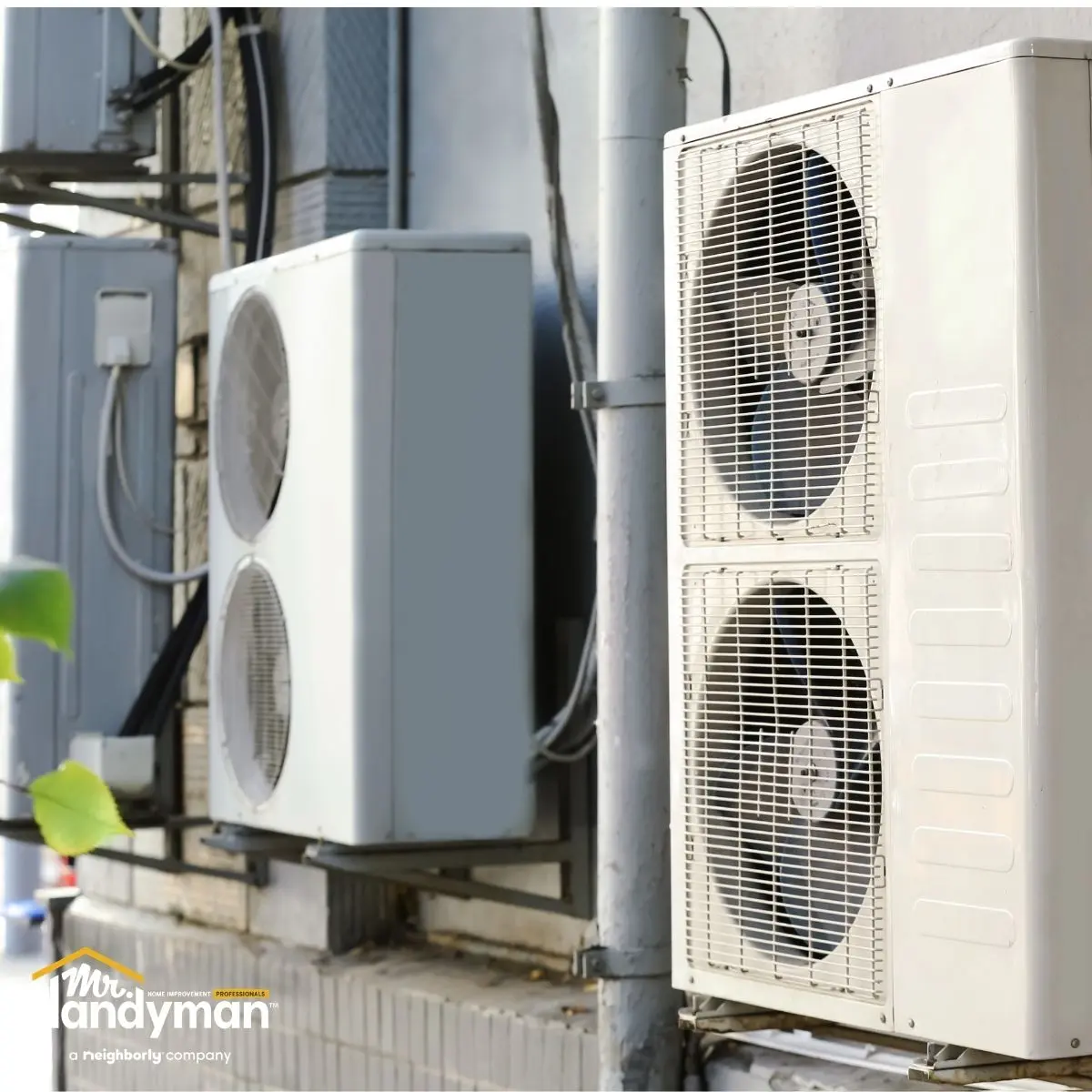
HVAC air quality performance in a Middle Tennessee fitness facility depends on a maintenance program that addresses the specific components and mechanisms through which system condition affects the air members breathe. Each component of the HVAC system contributes to air quality in a specific way, and each has specific maintenance requirements that preserve its contribution.
Coil cleaning is among the most consequential HVAC maintenance tasks for air quality because coil surfaces are simultaneously the most effective heat transfer components in the system and the most conducive surfaces for biological growth when moisture and organic material accumulate on them. Evaporator coils that operate in the humid conditions of a Middle Tennessee fitness facility accumulate biological growth on their surfaces between cleaning cycles, and that growth releases biological aerosols into the air stream that passes over the coil on its way to the occupied space. Professional coil cleaning using appropriate antimicrobial treatment eliminates accumulated biological growth and restores both the thermal performance and the air quality contribution of the coil surface. In Middle Tennessee's climate, coil cleaning frequency for fitness facility HVAC systems should be calibrated to the humidity exposure and occupancy loading of the specific system rather than to residential or light commercial cleaning intervals that underestimate the biological loading that high-occupancy fitness environments produce.
Condensate drain system maintenance prevents one of the most common sources of biological contamination in commercial HVAC systems. Drain pans and condensate lines that are not regularly cleaned and treated accumulate the biological growth that standing condensate moisture promotes, creating a contamination source within the HVAC system that introduces biological aerosols into the facility's air supply continuously during system operation. A condensate system that is draining correctly and is treated with appropriate biological growth inhibitors on a defined maintenance schedule does not produce that contamination, which is why condensate maintenance is a specific air quality management task rather than simply a water damage prevention measure.
Ductwork condition assessment and cleaning addresses the accumulated particulate, biological material, and debris that HVAC duct systems collect over operating years. Commercial fitness facility ductwork accumulates materials at rates that reflect the occupancy levels, filtration performance history, and humidity management history of the system. Ductwork that has operated behind inadequate filtration for extended periods, or that has been exposed to humidity conditions that promoted biological growth within the duct interior, contains contamination that is re-entrained into the air stream with every system operating cycle. Professional ductwork assessment that evaluates the need for cleaning based on actual interior conditions rather than time-based assumptions prevents unnecessary cleaning expenditure while ensuring that contaminated systems are identified and addressed.
How Middle Tennessee's Climate Shapes Fitness Facility HVAC Demands
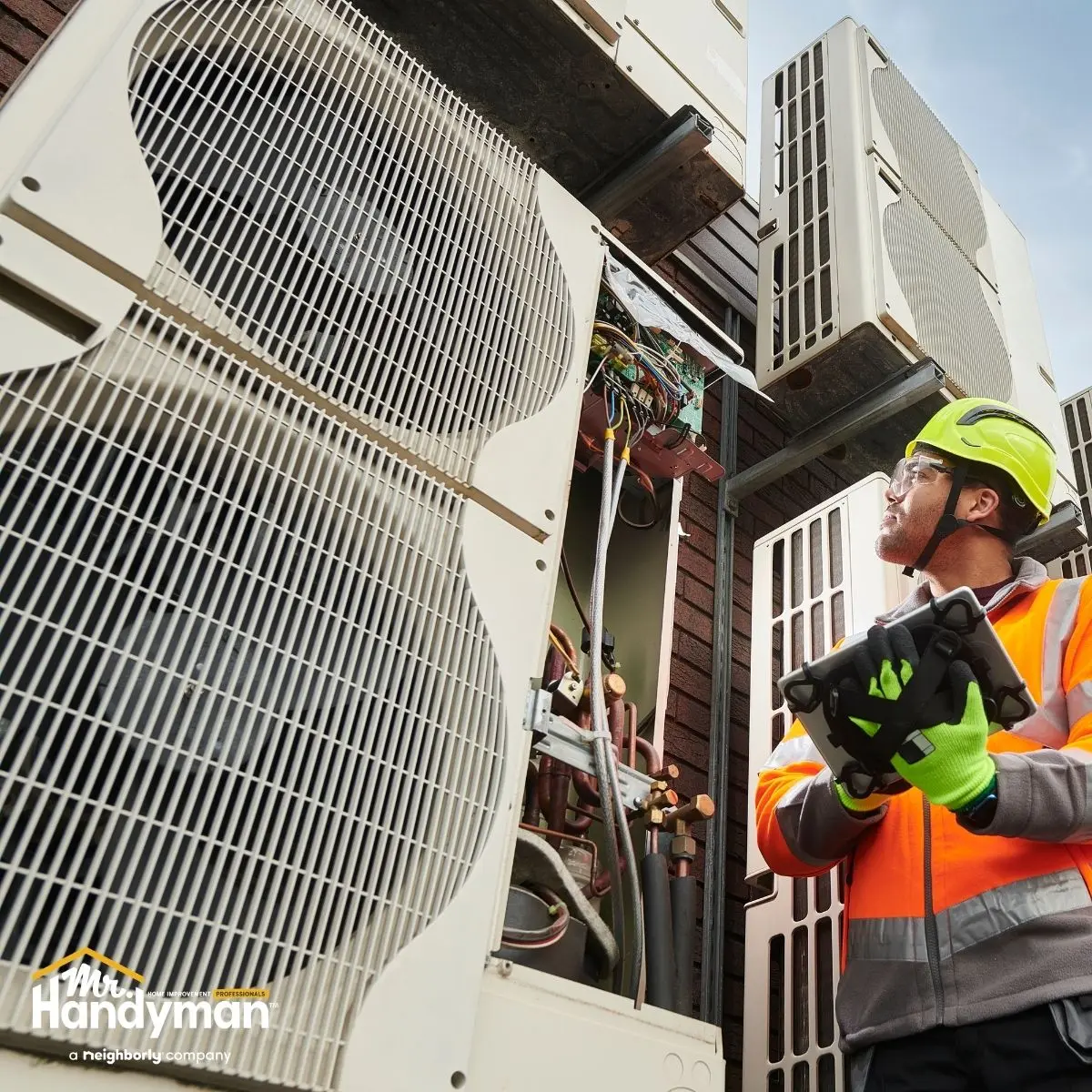
The specific climate conditions of Murfreesboro, Franklin, and Brentwood create HVAC maintenance demands for fitness facilities that differ meaningfully from national averages and from the assumptions built into most generic HVAC maintenance guidelines. Calibrating maintenance programs to regional conditions rather than generic standards is what allows Middle Tennessee fitness facility operators to keep their HVAC systems performing at the air quality level their members require through the full range of seasonal demands the region delivers.
Summer is the most demanding season for fitness facility HVAC systems in Middle Tennessee, and the demands it creates extend well beyond simple cooling capacity. When outdoor temperatures regularly exceed ninety degrees and outdoor humidity pushes into the upper range, the HVAC system is simultaneously managing the maximum cooling load, the maximum latent load from outdoor humidity infiltration, and the significant internal moisture load from members exercising at elevated intensities in a space where perspiration rates are at their annual peak. A system that is performing at that combined demand level with components that have not received proper spring preparation maintenance is operating under stress conditions that accelerate wear, reduce efficiency, and compromise the air quality performance that proper component condition would deliver. Spring HVAC maintenance that prepares the system specifically for Middle Tennessee's summer demand profile is the investment that protects both system longevity and summer air quality outcomes.
Pollen season in Middle Tennessee creates a specific filter loading challenge that fitness facility operators need to account for in their filter replacement scheduling. Middle Tennessee consistently ranks among the regions with the highest seasonal pollen concentrations in the southeastern United States, with tree pollen in spring, grass pollen through late spring and summer, and ragweed pollen through fall creating extended periods of high outdoor particulate loading that HVAC filters in fitness facilities must manage. During peak pollen periods, filter loading rates in fitness facility HVAC systems are substantially higher than during low-pollen months, which means filter replacement intervals that are appropriate for average conditions are too long during peak pollen seasons. Shortening filter replacement intervals during Middle Tennessee's documented high-pollen periods, and confirming actual filter condition by inspection rather than relying solely on time-based replacement schedules, maintains filtration performance through the seasons when outdoor air quality challenges are greatest.
Winter HVAC operation in Middle Tennessee fitness facilities creates air quality challenges that summer-focused maintenance programs sometimes inadequately address. When heating systems reduce indoor relative humidity through the dry air characteristics of heated winter air, the moisture balance that summer humidity management maintains is reversed, and the biological growth conditions that high humidity promotes give way to the dry air conditions that affect respiratory comfort during exercise. Members training in facilities where winter HVAC operation reduces indoor relative humidity below the comfortable range for exercising experience increased respiratory dryness, irritation during high-intensity breathing, and the general discomfort that excessively dry exercise environments produce. Humidity monitoring through winter months and humidification system maintenance where humidity addition capability exists maintains the indoor air quality balance that member respiratory comfort requires year-round rather than only during the humid months when humidity reduction is the management challenge.
Zone-Specific Air Quality Requirements in Fitness Facilities
Different zones within a fitness facility have different air quality requirements that reflect the activity intensity, occupancy density, and specific environmental conditions of each space. A maintenance program that applies uniform HVAC service standards across all zones without accounting for those differences underserves the zones with the highest air quality demands while overservicing zones with lower requirements.
High-intensity training zones including free weight areas, functional fitness spaces, and HIIT training areas generate the highest internal air quality loads of any zone in the facility. Member activity at maximum intensity produces maximum carbon dioxide output, maximum perspiration-derived volatile compound introduction into the air, and maximum body heat generation that compounds the HVAC cooling and ventilation demand. These zones require the highest fresh air delivery rates, the most aggressive humidity control, and the most frequent filter service of any area in the facility. HVAC distribution design that delivers disproportionate fresh air volume to high-intensity zones relative to lower-activity areas reflects the actual air quality demand distribution of the facility, and maintenance that confirms those distribution characteristics are being maintained through proper damper function and duct condition serves the specific needs of the facility's most demanding spaces.
Group fitness studios present a specific air quality challenge related to the rapid occupancy and CO2 load changes that occur when a full class begins after a period of studio vacancy. An empty studio accumulates minimal CO2, but when forty members begin a high-intensity cycling class simultaneously, the CO2 concentration rises rapidly toward levels that affect perceived exertion and comfort if the ventilation system cannot respond with sufficient fresh air delivery to dilute the rapidly increasing load. HVAC systems serving group fitness studios that have demand-controlled ventilation capability, where fresh air delivery increases in response to CO2 concentration sensors rather than operating at fixed rates regardless of occupancy, manage this rapid load change more effectively than fixed-rate systems. Maintaining CO2 sensor calibration and demand control system function is a specific HVAC maintenance requirement for group fitness studios that directly affects the air quality experience of every class conducted in those spaces.
Yoga and mindfulness studios require air quality management that prioritizes the specific comfort conditions those practices demand. Members in yoga and meditation practices are attuned to their respiratory experience in ways that high-intensity exercisers are not, which means air quality conditions that would be tolerated in a cardio zone create a more pronounced negative experience in a contemplative practice environment. Fresh air delivery that introduces outdoor air temperature and humidity conditions inconsistently, ventilation noise that disrupts the acoustic environment of a restorative yoga class, and any odor from ductwork contamination that is detectable at the low activity levels of a meditation session are all air quality conditions that HVAC maintenance directly addresses and that member satisfaction in these spaces specifically depends on.
Documentation, Compliance, and the Business Case for HVAC Investment
HVAC maintenance documentation in a fitness facility serves functions that extend beyond the operational management value of knowing what service was performed and when. A documented HVAC maintenance record creates the evidence base for liability management, demonstrates due diligence in member health protection, and supports the business case for ongoing maintenance investment by providing the cost and performance data that justifies continued expenditure.
Member health complaints related to air quality, including respiratory irritation, allergy aggravation, or odor concerns, are the situations where HVAC maintenance documentation most directly protects the facility. A documented record showing that filters were replaced on schedule, coils were cleaned at appropriate intervals, condensate systems were maintained, and CO2 levels were monitored demonstrates that the facility was managing its air quality systems responsibly. The absence of that documentation when a health complaint is received creates the ambiguity that allows liability exposure to develop from what would otherwise be a manageable member service situation. Maintaining HVAC service records with the same diligence applied to equipment maintenance records positions the facility to respond to air quality concerns from a position of documented operational responsibility.
The financial return on HVAC maintenance investment in a fitness facility is generated through multiple mechanisms that compound over the service life of the system. Energy efficiency maintained through clean coils, properly charged refrigerant, and correctly functioning economizer systems reduces monthly utility costs that accumulate significantly over annual operating periods. Extended equipment service life from systems that are not operating in degraded condition from deferred maintenance defers the capital replacement expenditure that premature system failure creates. Member retention supported by consistently comfortable and clean training conditions preserves the monthly recurring revenue that membership attrition erodes. Each of these return components individually justifies a professional maintenance investment. Together they produce a return that the operational cost of the maintenance program consistently fails to match.
Frequently Asked Questions
How often should fitness facility HVAC filters be replaced in Middle Tennessee?
Filter replacement frequency in Middle Tennessee fitness facilities should be determined by actual filter condition at inspection rather than solely by time intervals. During peak pollen seasons in spring and fall, monthly inspection and replacement as needed is appropriate for facilities with high membership density. During lower-pollen winter months, inspection every six to eight weeks with replacement as condition warrants maintains filtration performance without unnecessary expenditure. High-efficiency filtration systems with MERV ratings appropriate for commercial fitness facility air quality requirements provide better particulate capture than standard commercial filters and are worth the modest additional cost in environments where member respiratory health is a management priority.
What indoor air quality measurements should fitness facilities monitor?
Carbon dioxide concentration is the most immediately relevant air quality measurement for fitness facility management, with levels above 1000 parts per million indicating inadequate fresh air delivery relative to occupancy and activity levels. Relative humidity should be maintained between 40 and 60 percent for optimal member comfort and biological growth prevention. Temperature management in active training zones at levels that support comfortable exercise without thermal stress is a third monitoring dimension. Low-cost commercial air quality monitors that display real-time CO2 concentration and humidity readings allow facility managers to confirm that HVAC performance is maintaining acceptable conditions rather than relying solely on subjective member comfort assessment.
Can fitness facility staff handle HVAC maintenance or does it require licensed professionals?
Filter replacement and visual inspection of accessible system components are appropriate for trained facility maintenance staff. Any work involving refrigerant handling, electrical system components, coil cleaning with chemical agents, or ductwork assessment and cleaning requires licensed HVAC professional service both for technical reasons and for regulatory compliance. Establishing a preventative maintenance contract with a qualified commercial HVAC service provider that includes scheduled filter replacement, coil cleaning, condensate system maintenance, and seasonal system checks provides the professional service coverage that fitness facility HVAC systems require while giving the facility operator the documentation and accountability that professional service contracts deliver.
How does HVAC maintenance affect a fitness facility's ability to attract and retain members?
Members who consistently train in a facility with excellent air quality, comfortable temperature and humidity conditions, and no odors that signal biological contamination develop a physical association between that facility and the positive experience of training in a clean, well-managed environment. That association is a retention factor that members may not consciously identify as HVAC-related but that directly influences their satisfaction with the facility and their intention to continue their membership. Conversely, members who regularly experience stuffiness, humidity discomfort, or odors during training at a facility develop a physical association with that facility that works against retention regardless of other positive attributes the facility offers.
What are the signs that a fitness facility's HVAC system needs immediate professional attention?
Visible mold growth on supply or return air grilles, persistent musty or chemical odors that appear during system operation, CO2 readings consistently above 1000 parts per million during normal occupancy, humidity levels outside the 40 to 60 percent range that persist despite normal thermostat settings, and any refrigerant odor or ice formation on accessible system components all warrant immediate professional assessment rather than monitoring to determine whether conditions resolve independently. These conditions indicate system failures that affect member health and that continued operation without professional service will worsen rather than resolve.
Air Quality Is a Member Health Commitment
Every member who trains at a Murfreesboro, Franklin, or Brentwood fitness facility is trusting that the facility's management has created and maintained an environment where the air they breathe at elevated exercise rates is clean, comfortable, and free of the biological and chemical contaminants that inadequate HVAC maintenance introduces. That trust is earned through the systematic, documented, professionally executed HVAC maintenance program that keeps the air quality systems performing at the standard member health requires through Middle Tennessee's demanding seasonal conditions.
Mr. Handyman of Murfreesboro, Franklin, and Brentwood supports fitness facilities with professional HVAC maintenance coordination, filter replacement programs, and the facility maintenance services that keep commercial fitness environments performing at the standard members expect and operators are committed to providing.
Website: https://www.mrhandyman.com/murfreesboro-smyrna/
Serving fitness facilities and commercial properties throughout Murfreesboro, Franklin, and Brentwood with professional maintenance services and the reliability your members and your facility deserve.