Spring in Middle Tennessee is not a gentle season. It arrives with sustained rainfall, rapid temperature swings, and soil that is already saturated from winter precipitation. For homeowners in Murfreesboro, Franklin, and Brentwood who have basements or below-grade living spaces, spring is the season that tests every component of their water management system, and no component bears more of that burden than the sump pump. A sump pump that is functioning properly is easy to take for granted. One that fails during a heavy rain event reveals its importance immediately and expensively.
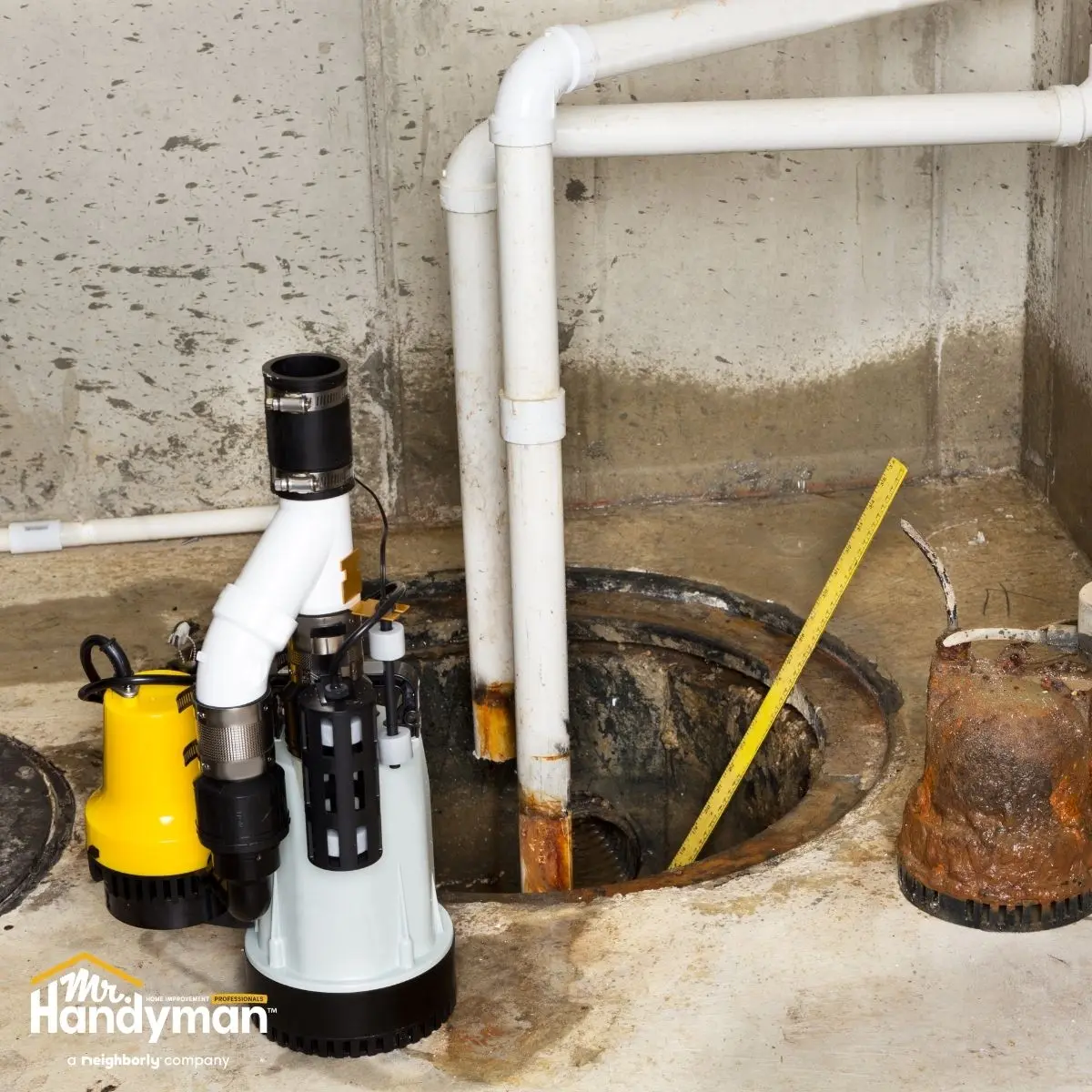
The sump pump sits at the lowest point of a basement or crawl space, inside a pit designed to collect groundwater before it reaches the floor. When groundwater rises around the foundation, as it reliably does during Middle Tennessee's spring rain season, the pump activates and moves that water away from the structure through a discharge line. The entire system works automatically and silently under normal conditions, which is precisely why so many homeowners never think about it until something goes wrong.
Inspecting your sump pump before spring rains arrive is not a complicated task, but it is one that requires deliberate attention and at least a basic understanding of how the system works and what failure looks like. A pump that has sat idle through winter may have developed mechanical issues, float problems, or discharge line blockages that prevent it from functioning when called upon. Finding those problems in March is manageable. Discovering them during a storm in April, with water rising in your basement, is a crisis.
Middle Tennessee's Spring Rain Reality
Understanding why sump pump reliability matters so much in this region requires looking at the actual rainfall patterns that Murfreesboro, Franklin, and Brentwood experience each spring. Middle Tennessee consistently ranks among the wetter regions of the southeastern United States during the March through May period, with monthly rainfall averages that regularly exceed four to five inches. More importantly, the region frequently experiences multi-day rain events where several inches fall within a short window, saturating the soil faster than it can absorb or drain the water naturally.
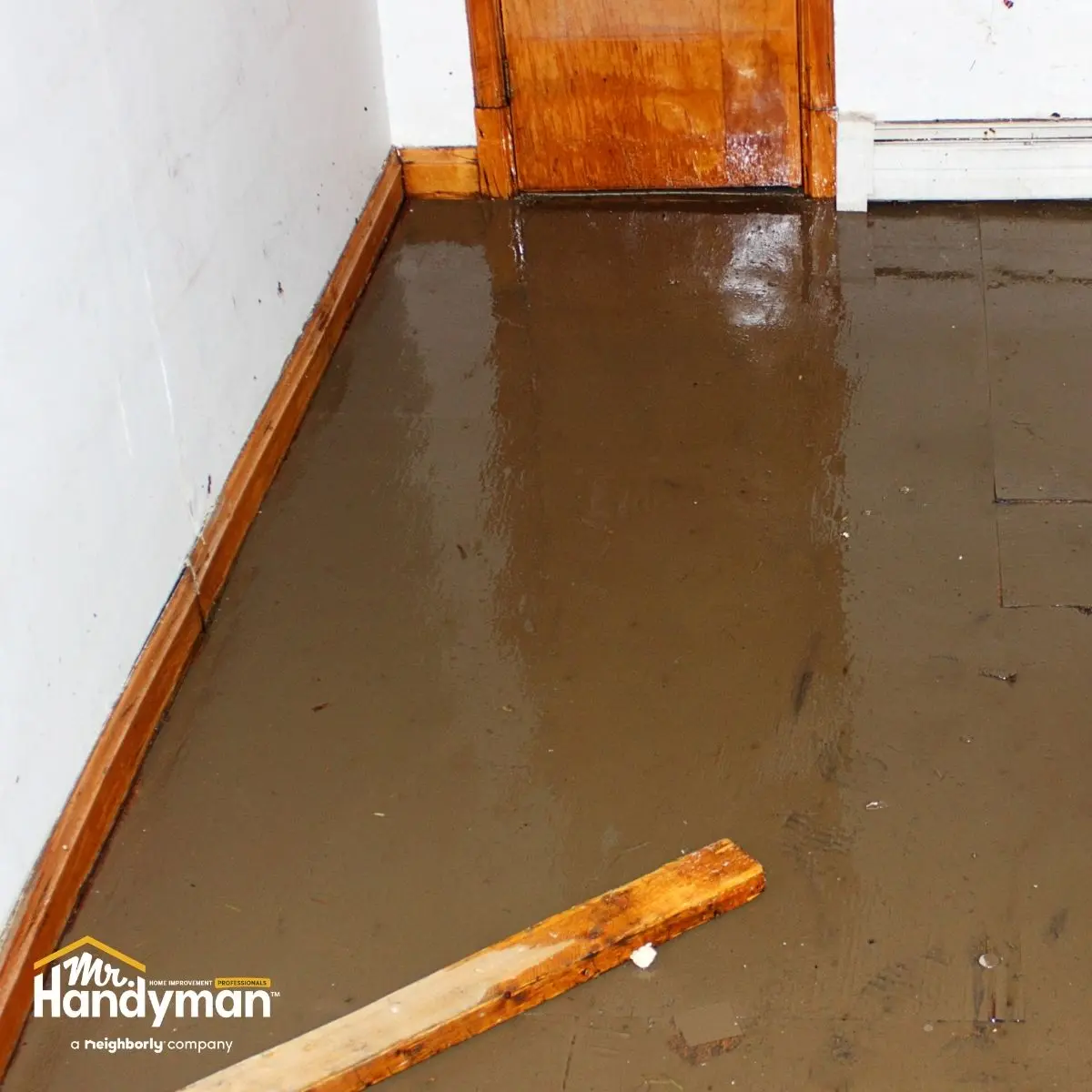
When soil around a foundation reaches saturation, it stops accepting additional water. That water has nowhere to go except laterally and downward, increasing hydrostatic pressure against basement walls and floors. In homes where the foundation has any cracks, gaps around penetrations, or areas of compromised waterproofing, that pressure pushes water inward. The sump pit collects what enters, and the pump removes it. When the pump cannot keep pace with inflow, or fails entirely, the result is a flooded basement.
Homes in low-lying areas of Murfreesboro near Stones River corridors, properties in Franklin with significant slope above them, and Brentwood homes on lots with heavy clay soil content are all at elevated risk during sustained rain events. Clay soil, which is prevalent throughout much of Williamson and Rutherford County, drains slowly and holds water near the surface and against foundation walls for extended periods after rain stops. A sump pump in these conditions may need to run repeatedly over several days following a major storm, placing demands on the motor and float mechanism that idle periods do not.
What a Pre-Spring Inspection Covers
A thorough sump pump inspection before spring rains begin covers several distinct components, each of which can independently compromise the system's ability to function when needed. Understanding what each component does and what failure looks like helps homeowners conduct a meaningful inspection rather than simply glancing at the unit and assuming it is ready.
The float switch is the component that tells the pump when to activate. As water in the sump pit rises, the float rises with it until it reaches a set trigger point, at which the pump motor engages. When water drops back to a safe level, the float descends and the pump shuts off. A float switch that is stuck in the down position will prevent the pump from activating at all, allowing water to rise unchecked. A float switch stuck in the up position will run the pump continuously, burning out the motor. Checking that the float moves freely through its full range of motion and is not obstructed by debris, the pit walls, or the pump housing itself is one of the most important steps in any sump pump inspection.
The discharge line carries water from the pump out of the home and away from the foundation. During winter, discharge lines that run through unheated spaces or exit through the exterior wall near grade level can freeze, blocking the outlet completely. A pump that activates against a frozen or obstructed discharge line builds pressure, strains its motor, and may trip its thermal overload protection, shutting down entirely. Confirming that the discharge line is clear from the pump outlet to the exterior termination point, and that the exterior end is not blocked by debris, ice remnants, or settled soil, is a critical pre-season check.
The pump motor itself should be tested with a direct activation before spring rains arrive. The simplest method is to slowly pour a bucket of water into the sump pit until the float triggers and the pump activates. Watch and listen during this test. The pump should activate promptly, run smoothly without unusual vibration or grinding sounds, and clear the pit water within a reasonable time. A pump that activates but moves water slowly, one that makes mechanical noise during operation, or one that fails to activate at all needs attention before the season begins.
The Role of Backup Systems in Spring Preparedness
A primary sump pump in good working condition handles normal spring rain events reliably. What it cannot handle is a power outage during a storm, which is precisely when the pump is most needed. Severe spring thunderstorms in Middle Tennessee regularly knock out power for hours at a time, and a primary pump that depends entirely on household current provides no protection during those outages.
Battery backup sump pumps address this vulnerability directly. A battery backup unit sits in the same pit as the primary pump and activates automatically when the primary pump fails or when power is lost. The backup battery, typically a marine or deep-cycle battery, provides enough capacity to run the backup pump through several hours of operation, which is often sufficient to bridge the gap during a typical storm-related outage.
Inspecting a battery backup system before spring includes checking the battery charge level, testing the backup unit's float and activation independently of the primary pump, and confirming that the battery charger is functioning and maintaining the battery between uses. A backup battery that has not been replaced in three to five years may no longer hold adequate charge to provide meaningful protection during an extended outage.
How Sump Pump Problems Develop Across Middle Tennessee Homes
Murfreesboro, Franklin, and Brentwood each present conditions that affect sump pump performance in specific ways. The combination of soil type, home age, lot grading, and proximity to water features creates a range of scenarios that homeowners in this region should understand when evaluating their system's readiness for spring.
Rutherford County, which encompasses Murfreesboro and the surrounding area, contains significant deposits of clay-heavy soil that retain moisture longer than sandier compositions. When sustained spring rainfall saturates that soil, groundwater pressure against foundations builds gradually and holds for extended periods after the rain itself stops. A sump pump in this environment does not just need to handle the peak of a storm. It needs to continue operating reliably for hours or days afterward as the saturated soil slowly releases its water. This sustained demand is harder on pump motors than brief, intense activation cycles, and it is one reason why a pump that performs adequately during minor events can still fail during a major spring rain sequence.
Franklin's topography adds another layer of complexity. Many Franklin neighborhoods sit on sloped terrain where water naturally drains toward lower-lying properties. Homes at the base of a slope collect not only the rainfall that falls directly on their lot but also the runoff that travels downhill from neighboring properties and landscaping above them. During a significant rain event, this compounding effect can overwhelm a sump system that would otherwise handle the load comfortably. Homeowners in these positions benefit from confirming that their discharge line capacity and pump flow rate are adequate for the actual volume of water their specific lot receives, not just for average conditions.
Brentwood's larger lots and mature landscaping introduce a maintenance consideration that directly affects sump pump performance. Established root systems from mature trees can infiltrate discharge lines over time, partially blocking the path water takes out of the home. A discharge line with even partial root intrusion reduces the pump's ability to move water efficiently, increasing the time the pump runs per cycle and accelerating motor wear. If a Brentwood homeowner has not confirmed their discharge line is clear in several years, doing so before spring is a reasonable precaution.
Room by Room: Where Water Entry Points Develop
Basement Walls and Floor
Basement water intrusion rarely happens uniformly. It tends to concentrate at specific weak points in the foundation that develop over time through settling, seasonal expansion and contraction, and the gradual degradation of original waterproofing materials. Understanding where those entry points commonly develop helps homeowners connect what they observe inside the basement to what their sump pump is working against outside.
Cracks in poured concrete basement walls typically develop vertically or at a diagonal from window and door corners, following stress lines created during the curing process or from foundation settling. Horizontal cracks in basement walls are a more serious finding, as they can indicate lateral pressure from saturated soil pushing against the wall. Any crack that shows moisture staining, efflorescence, or active seeping during rain events is a direct entry point that adds to the volume of water the sump pump must manage.
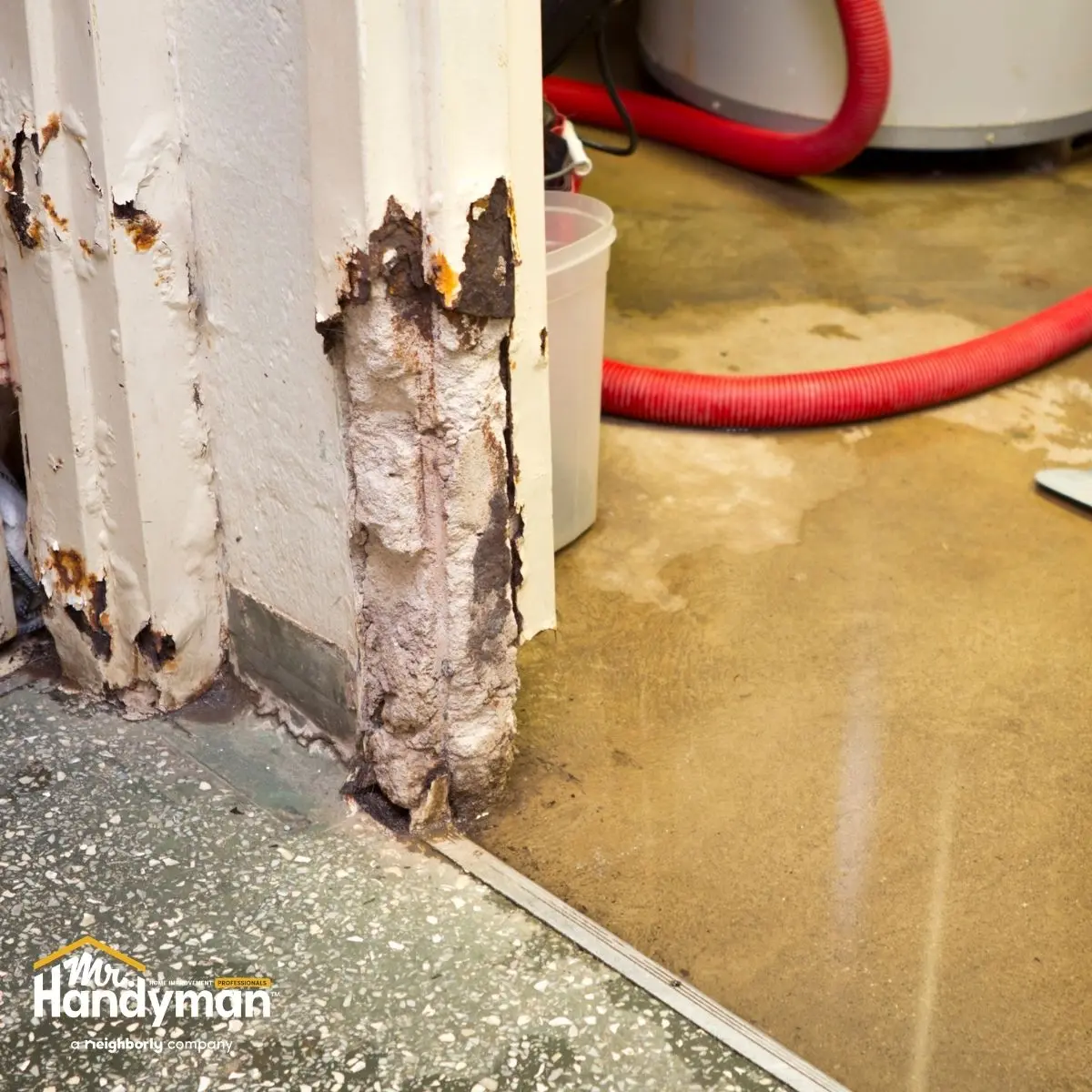
The floor-wall joint, where the basement floor meets the foundation wall, is one of the most common water entry points in residential basements throughout Middle Tennessee. This joint is rarely sealed effectively in older construction, and as the foundation settles over decades, small gaps open along its length. Water under hydrostatic pressure finds these gaps reliably. A sump system that is functioning correctly manages the water that enters through these points, but a system that is undersized, aging, or poorly maintained cannot keep pace with significant inflow from multiple entry points simultaneously.
Crawl Spaces
For homes in Franklin and Murfreesboro with crawl space construction rather than full basements, sump pump installations serve a similar function in a more confined and less frequently visited environment. Crawl space sump pits collect groundwater that migrates beneath the vapor barrier, preventing it from raising humidity levels in the floor system above.
Inspecting a crawl space sump pump requires physically entering the space, which many homeowners understandably avoid. However, a crawl space pump that has failed or is operating poorly contributes directly to elevated humidity throughout the first floor of the home, accelerating wood rot in floor joists, promoting mold growth on subfloor surfaces, and creating the musty odors that affect living spaces above. The consequences of a crawl space pump failure are less dramatic than a flooded basement but no less damaging over time.
Frequently Asked Questions
How often should a sump pump be replaced?
Most residential sump pumps have a functional lifespan of seven to ten years under normal operating conditions. Pumps in homes with heavy groundwater activity, clay-heavy soil, or frequent power fluctuations may reach the end of their reliable service life closer to the lower end of that range. A pump that is approaching or past ten years of age should be evaluated carefully before spring, and replacement should be considered proactively rather than waiting for a failure during a storm event.
What does it mean if my sump pump runs constantly?
A pump that runs continuously without cycling off typically indicates one of three conditions. The float switch may be stuck in the activated position, signaling the pump to run regardless of water level. The discharge line may be returning water to the pit rather than moving it away from the home, creating a loop the pump cannot resolve. Or groundwater inflow may genuinely exceed the pump's capacity, which points to either an undersized pump or an unusually severe water intrusion condition that warrants professional assessment.
Can I test my sump pump myself before spring?
Yes, and you should. The simplest test is to pour water slowly into the pit until the float triggers and the pump activates. Confirm that the pump clears the water promptly, runs without unusual noise, and shuts off cleanly when the water drops. Also check the discharge line at its exterior termination point while the pump is running to confirm water is exiting freely. This basic test takes less than ten minutes and confirms the core function of the system before the season begins.
Do I need a battery backup if my pump is relatively new?
Pump age is less relevant to the backup question than power reliability during storms. Middle Tennessee spring thunderstorms regularly disrupt power, and a pump of any age provides no protection during an outage without a backup system. A new primary pump paired with a functioning battery backup is a significantly more reliable configuration than a new primary pump alone. The backup investment is modest compared to the cost of water damage from a single extended outage during a heavy rain event.
What should I do if I find standing water in my sump pit during the inspection?
A small amount of water in the pit is normal and indicates the system is collecting groundwater as intended. The concern is water that sits above the pump's activation point without triggering the float. If water is present at or above the float trigger level and the pump is not running, the float switch or the pump motor has likely failed and the system needs professional attention before spring rains arrive.
Before the Rain Comes, Make Sure You Are Ready
Spring in Middle Tennessee does not wait for homeowners to catch up on maintenance. The rains arrive on their own schedule, and the sump pump either performs when called upon or it does not. The difference between those two outcomes comes down almost entirely to whether the system was inspected, tested, and serviced before the season began. For homeowners in Murfreesboro, Franklin, and Brentwood, where spring rainfall, clay soil, and sloped terrain all contribute to meaningful groundwater pressure, that pre-season inspection is not optional maintenance. It is foundational protection for one of the most significant investments you own.
Mr. Handyman of Murfreesboro, Franklin, and Brentwood brings the skills and local knowledge to inspect, test, and service sump pump systems before spring demands put them to the test. Whether your system needs a float adjustment, a discharge line clearing, a battery backup installation, or a full pump replacement, the team handles it with professionalism and honest assessment.
Website: https://www.mrhandyman.com/murfreesboro-smyrna/
Serving homeowners throughout Murfreesboro, Franklin, and Brentwood with dependable service and the expertise your home deserves this spring.