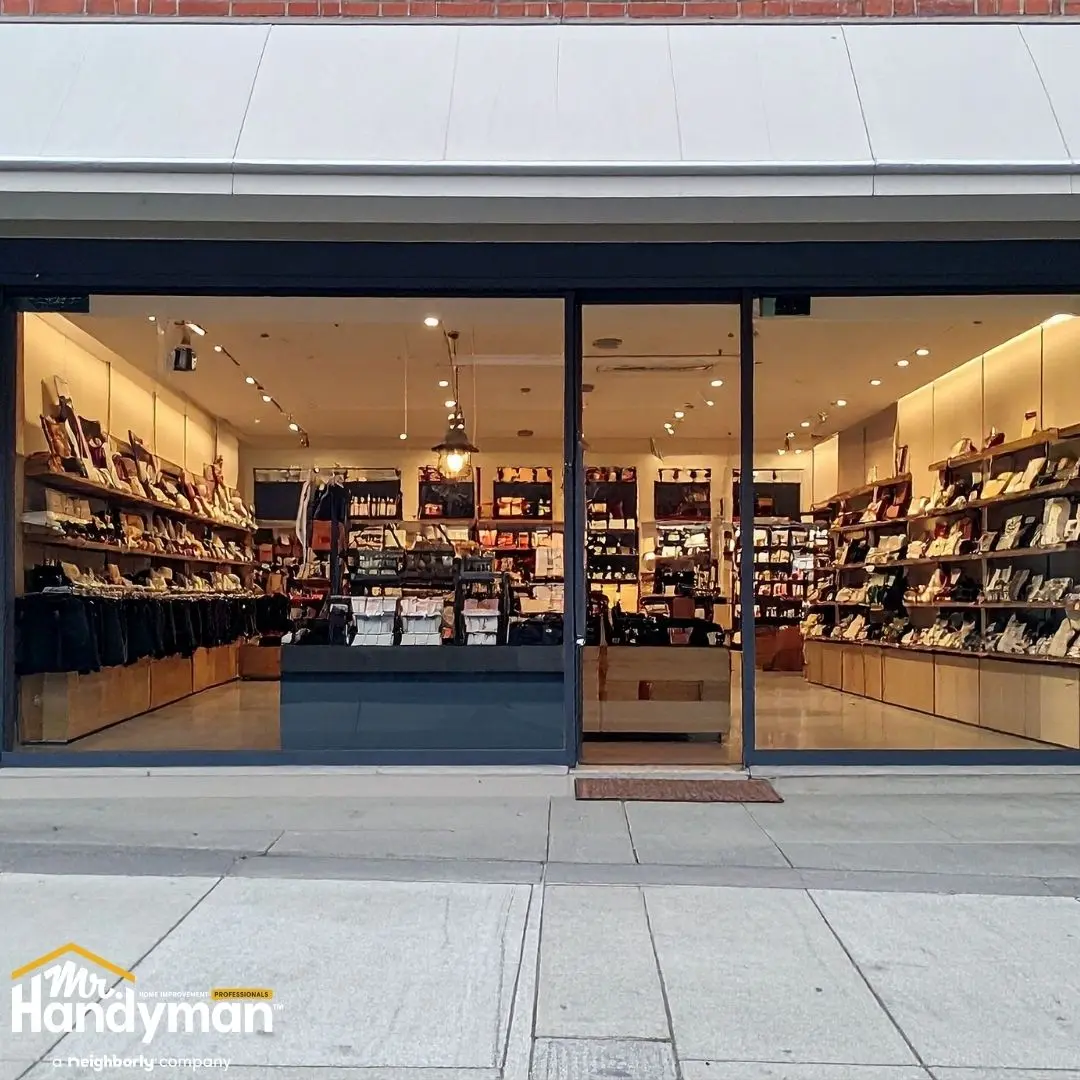
When temperatures drop, the risks around commercial properties increase. From slippery entryways to frozen pipes, winter can introduce hazards that threaten both safety and business continuity. Fortunately, most winter-related risks can be prevented with proactive maintenance and a few strategic safety upgrades.
For property owners and managers in West Nashville, Belle Meade, Clarksville, Dickson, Ashland City, Green Hills, and Kingston Springs, winter safety improvements are essential for protecting employees, customers, and facilities throughout the season.
1. Inspect and Repair Entryways
The first step in ensuring winter safety is maintaining safe and accessible entrances. Rain, sleet, and snow can create slick surfaces that lead to slips and falls - one of the most common workplace injuries.
Essential entryway improvements include:
- Adding durable, high-traction mats at every doorway.
- Installing weather stripping around doors to reduce drafts.
- Checking door closers and seals to ensure smooth operation.
- Repairing loose floor tiles or threshold edges.
For commercial spaces in Belle Meade and Green Hills, these simple updates go a long way in preventing accidents and creating a more professional appearance for customers and clients.
2. Improve Exterior Lighting and Visibility
Shorter daylight hours can make parking areas, walkways, and building exteriors more dangerous after dark. Adequate lighting deters crime, improves visibility, and reduces the risk of trips and falls.
Consider the following lighting upgrades:
- Replace dim or burned-out bulbs around entrances and parking lots.
- Add motion-sensor lighting in less-frequented areas.
- Clean light covers and fixtures to maximize brightness.
- Use energy-efficient LED bulbs for long-term savings.
Businesses in Clarksville and Ashland City often invest in professional lighting upgrades during winter to improve safety while reducing utility costs.
3. Inspect Roofing, Gutters, and Drainage
Winter precipitation can quickly expose weaknesses in roofing or gutter systems. Leaks and ice dams can lead to water intrusion, structural damage, and costly repairs if not addressed early.
Roof and drainage safety steps include:
- Cleaning gutters to prevent blockages and overflow.
- Inspecting roofing for loose shingles or flashing gaps.
- Checking downspouts for proper drainage away from foundations.
- Installing gutter guards to reduce debris buildup.
Properties in West Nashville and Bellevue particularly benefit from winter roofing checks due to fluctuating freeze-thaw conditions that can weaken seals and joints.
4. Prevent Slip Hazards on Walkways
Snow and ice accumulation can make outdoor surfaces hazardous. Keeping pathways clear and well-maintained is crucial for both safety and compliance with local regulations.
Preventive measures include:
- Applying de-icing agents or sand on sidewalks and steps.
- Repairing uneven or cracked pavement before winter arrives.
- Installing awnings or canopies over entrances to shield walkways.
- Posting caution signs during cleaning or icy conditions.
Commercial properties in Dickson and Kingston Springs often implement scheduled walkway inspections during peak winter months to minimize liability risks.
5. Protect Plumbing and Prevent Freezing
Freezing temperatures can cause pipes to burst, leading to extensive water damage and expensive emergency repairs. Protecting your plumbing systems is one of the most cost-effective winter maintenance steps you can take.
Plumbing protection tips:
- Insulate exposed pipes, especially in basements or exterior walls.
- Keep a steady indoor temperature of at least 55°F overnight.
- Allow faucets to drip slightly during extreme cold.
- Shut off and drain outdoor water lines and irrigation systems.
Commercial buildings in Clarksville and Ashland City often benefit from having their plumbing inspected by professionals before cold snaps hit.
6. Maintain HVAC Systems for Safety and Efficiency
During winter, heating systems work harder than any other time of year. Ensuring your HVAC system runs safely and efficiently not only keeps the building comfortable but also prevents carbon monoxide risks.
Key maintenance steps include:
- Replacing or cleaning air filters every 30–60 days.
- Inspecting ducts and vents for leaks or blockages.
- Testing thermostats for accurate temperature control.
- Scheduling professional tune-ups before winter peaks.
For businesses in Belle Meade and Green Hills, routine HVAC maintenance ensures consistent performance and avoids unexpected breakdowns.
7. Ensure Emergency Systems Are Ready
Winter weather can cause power outages and other unexpected challenges. Regularly testing your property’s emergency systems ensures safety and compliance.
Your emergency readiness checklist should include:
- Testing smoke detectors and exit lighting.
- Servicing fire extinguishers and sprinklers.
- Checking backup generators for readiness.
- Stocking emergency kits and signage.
Commercial properties in West Nashville and Clarksville find that these steps help maintain business continuity during storms or power outages.
8. Partner With Trusted Professionals for Winter Upgrades
While some winter maintenance tasks can be handled internally, more complex repairs and upgrades are best left to trained professionals. Hiring a local, experienced handyman ensures the work is done efficiently and safely.
Business owners throughout West Nashville, Belle Meade, and Clarksville trust Mr. Handyman of W. Nashville, Belle Meade, Clarksville for professional maintenance, carpentry, and winter safety improvements.
How to Create a Winter Safety Plan for Your Commercial Property
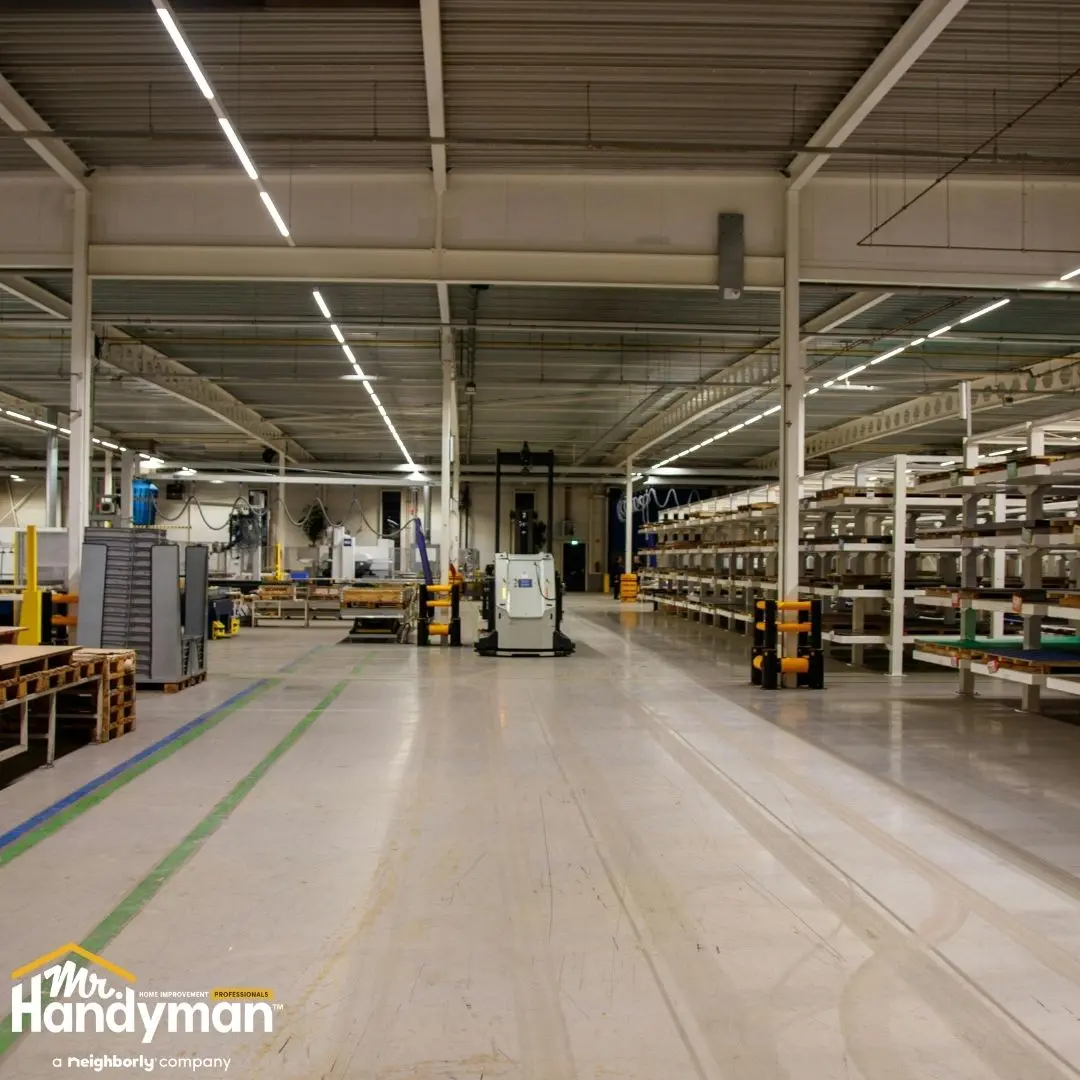
Winter safety improvements don’t end once repairs and upgrades are complete. The next step is building a structured seasonal safety plan that keeps your commercial property protected throughout the cold months. A proper plan helps you stay compliant with local safety regulations, prevent accidents, and minimize costly disruptions.
For business owners and property managers across West Nashville, Belle Meade, Clarksville, Dickson, Ashland City, Green Hills, and Kingston Springs, an effective winter safety plan provides peace of mind while ensuring your business remains safe and operational no matter the weather.
1. Start With a Comprehensive Property Assessment
The first step in developing a safety plan is identifying your property’s vulnerabilities. Conduct a thorough inspection of both the interior and exterior before winter arrives to spot potential hazards.
Key areas to assess include:
- Roof and gutter systems: Check for leaks or buildup that could lead to ice dams.
- Parking lots and walkways: Look for cracks or uneven surfaces that may collect water and freeze.
- Plumbing systems: Inspect for exposed pipes and weak insulation.
- Heating and electrical systems: Ensure they are operating safely and efficiently.
Commercial buildings in Belle Meade and Green Hills often benefit from scheduling these inspections in late fall, before temperatures drop and repairs become more difficult.
2. Establish a Maintenance Schedule
Once vulnerabilities are identified, create a clear maintenance calendar that outlines when and how each system should be serviced. Consistency is key to avoiding preventable issues during winter.
A typical winter maintenance schedule may include:
- Weekly: Check for ice buildup, clear snow, and clean entry mats.
- Monthly: Inspect HVAC filters, light fixtures, and emergency exits.
- Quarterly: Flush water heaters and clean drainage systems.
- Annually: Inspect insulation and review safety signage for updates.
Businesses in Clarksville and Ashland City often designate specific staff members or contractors to track and complete these tasks for consistency and accountability.
3. Review Safety Compliance and Regulations
Commercial properties must meet specific safety requirements under state and federal laws. Reviewing these standards ensures your business avoids fines and remains compliant during inspections.
Key compliance areas include:
- Fire code regulations for extinguishers, exits, and sprinklers.
- OSHA workplace safety standards.
- Americans with Disabilities Act (ADA) accessibility requirements.
- Local building maintenance and occupancy codes.
In West Nashville and Bellevue, staying compliant with Tennessee’s safety and accessibility codes protects both your business and your customers.
4. Prepare for Weather Emergencies
Winter storms can strike unexpectedly, causing power outages, road closures, or safety risks. Preparing an emergency plan in advance ensures your staff knows how to respond quickly and safely.
Every commercial property should have:
- A designated safety coordinator or point of contact.
- Backup lighting and power solutions such as generators.
- Emergency kits with flashlights, batteries, and first aid supplies.
- Clear evacuation routes and emergency contact lists.
In larger facilities across Dickson and Kingston Springs, having a printed and digital version of the emergency plan ensures accessibility during a crisis.
5. Keep Entryways and Walkways Clear
Snow, ice, and debris can accumulate quickly during winter, creating liability hazards. A reliable snow and ice management plan helps prevent slip-and-fall accidents.
Safety practices include:
- Partnering with a snow removal service for large properties.
- Assigning staff to check walkways multiple times a day.
- Using salt, sand, or eco-friendly de-icers in high-traffic areas.
- Storing snow-clearing equipment in an accessible location.
Commercial complexes in Clarksville and Ashland City often schedule preventive salting before major storms to avoid buildup that leads to falls.
6. Test Lighting and Security Systems
Poor lighting during dark winter months increases accident risks and makes properties more vulnerable to theft. Testing and upgrading lighting systems enhances both visibility and security.
Lighting safety plan essentials:
- Inspect exterior lights and replace burned-out bulbs promptly.
- Clean light fixtures to maximize brightness.
- Add motion-activated lighting in parking lots and alleys.
- Consider smart timers to maintain consistent illumination.
Businesses in Belle Meade and Green Hills that maintain strong lighting systems report fewer incidents and greater staff safety during evening operations.
7. Protect Against Indoor Hazards
Cold weather often means closed windows and limited ventilation, which can increase indoor risks like poor air quality and condensation. Maintaining interior systems ensures safe, comfortable working conditions.
Key tasks include:
- Cleaning HVAC filters regularly to improve airflow.
- Inspecting walls and ceilings for signs of leaks or condensation.
- Testing carbon monoxide detectors monthly.
- Keeping indoor walkways dry with absorbent mats and regular mopping.
Commercial buildings in West Nashville and Clarksville benefit from quarterly indoor maintenance checks that prevent water damage and mold growth.
8. Partner With Reliable Maintenance Professionals
Building an effective winter safety plan often requires the help of professionals who can identify hazards and perform necessary improvements safely and efficiently.
Property owners across West Nashville, Belle Meade, and Clarksville rely on Mr. Handyman of W. Nashville, Belle Meade, Clarksville for professional winter safety upgrades, carpentry repairs, and preventive maintenance services.
9. Review and Update the Plan Annually
A winter safety plan should evolve over time. Review it at the end of each season to identify what worked well and where improvements are needed.
Key updates may include:
- Adding new emergency contacts or contractors.
- Adjusting snow removal schedules based on weather patterns.
- Replacing outdated safety signage or lighting.
- Updating digital and physical copies of the plan.
For properties in Belle Meade and Green Hills, annual updates keep safety plans aligned with changing regulations and building needs.
Long-Term Winterization Strategies for Commercial Properties
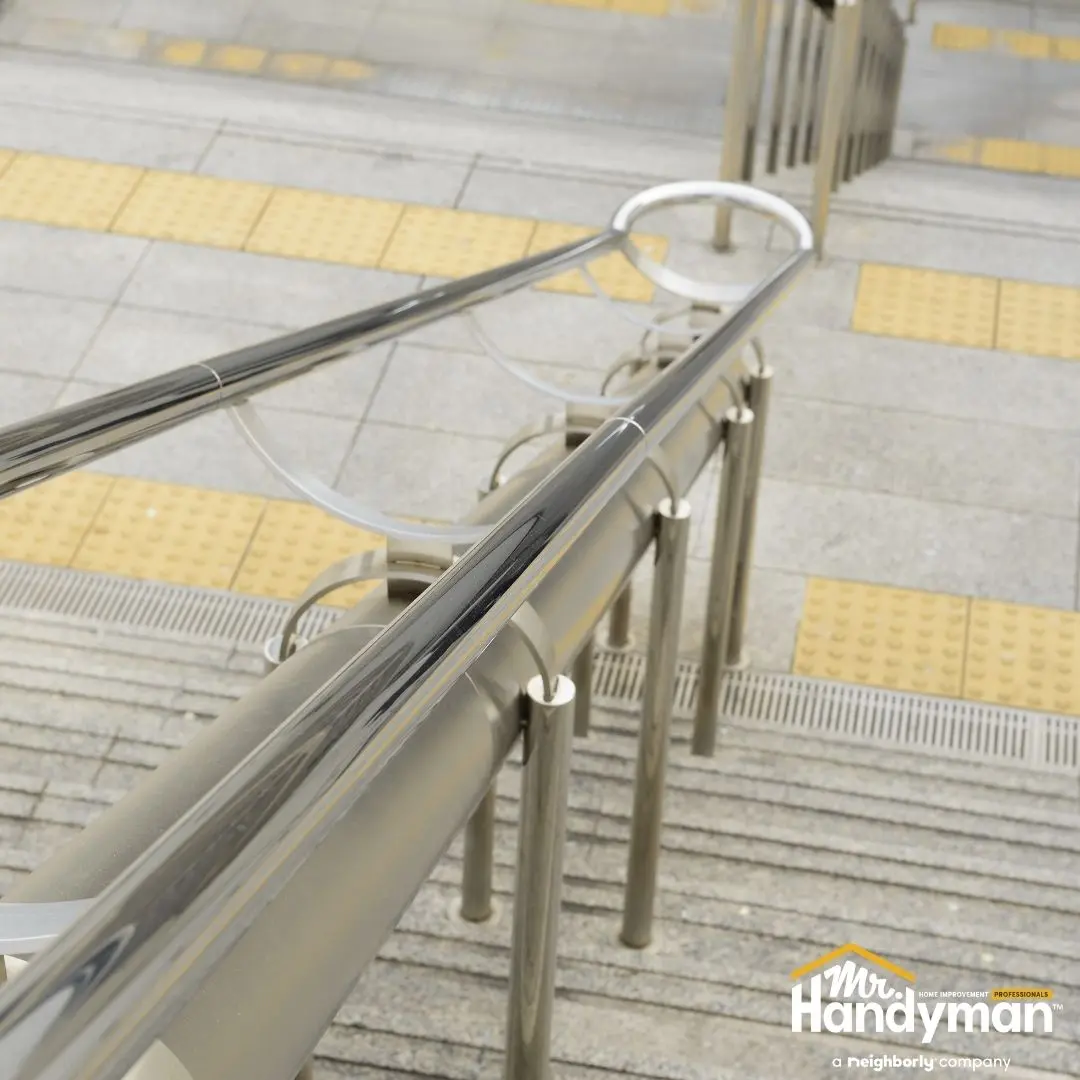
Once a commercial property’s winter safety plan is in place, the next step is implementing long-term improvements that make your building safer and more resilient year after year. Winter brings recurring challenges such as temperature fluctuations, ice buildup, and heavy precipitation - all of which can weaken building materials and create costly maintenance issues if left unchecked.
For business owners and property managers in West Nashville, Belle Meade, Clarksville, Dickson, Ashland City, Green Hills, and Kingston Springs, long-term winterization is a smart investment that protects your property, lowers energy costs, and maintains your building’s professional appearance throughout every season.
1. Upgrade Insulation and Building Envelope Protection
Energy efficiency and temperature stability start with your building’s envelope - the walls, roof, windows, and doors that separate indoor and outdoor environments. Over time, gaps and weak insulation can allow heat to escape, increasing energy costs and placing extra strain on HVAC systems.
To improve insulation and efficiency:
- Replace aging weather stripping around doors and windows.
- Seal cracks and gaps with expanding foam or caulk.
- Add insulation to attics, basements, and exterior walls.
- Upgrade to energy-efficient windows and entry doors.
In Belle Meade and Green Hills, where older commercial buildings are common, these improvements significantly reduce heating costs and improve interior comfort during Tennessee’s colder months.
2. Install Smart Building Systems
Smart building technology allows property managers to monitor and control key systems like heating, lighting, and security remotely. These technologies help detect issues before they become costly problems and improve safety across the property.
Smart upgrades worth considering:
- Programmable thermostats that adjust based on occupancy.
- Smart lighting that responds to daylight or motion sensors.
- Leak detection systems for plumbing and HVAC units.
- Automated entry systems that maintain indoor temperature.
Businesses in Clarksville and Ashland City find that implementing smart systems reduces downtime while keeping energy usage consistent during unpredictable winter weather.
3. Reinforce Roofs and Drainage Systems
Snow, rain, and freezing temperatures can put stress on commercial roofs and drainage systems. Regular inspections and preventive reinforcements prevent water intrusion and structural deterioration.
Key steps for long-term roof protection:
- Schedule professional roof inspections twice a year.
- Reinforce flashing and sealants around vents and HVAC units.
- Ensure gutters and downspouts drain away from the foundation.
- Install heat cables to prevent ice dams if needed.
Properties in West Nashville and Bellevue benefit from professional roof assessments before and after winter storms, ensuring their structures remain watertight and safe.
4. Invest in Durable Flooring and Entryway Materials
High-traffic commercial spaces take a beating during winter months. Moisture, salt, and debris tracked inside can wear down flooring and create slip hazards. Installing durable materials and maintaining proper floor care protocols prevents long-term damage.
Recommended upgrades include:
- Non-slip commercial-grade tile or vinyl flooring in entrances.
- Waterproof mats and runners to absorb snowmelt and debris.
- Regular sealing and cleaning of flooring surfaces.
- Adding drip trays or coat racks to manage wet gear.
Business owners in Dickson and Kingston Springs often upgrade flooring before winter to extend the lifespan of their interiors and reduce maintenance costs.
5. Strengthen Electrical and HVAC Systems
Electrical systems and heating units work hardest in winter, and small inefficiencies can quickly escalate into expensive issues. Conducting annual inspections helps prevent unexpected failures during high-demand months.
Winterization tips for building systems:
- Schedule electrical safety inspections annually.
- Label and test all circuit breakers.
- Replace worn wiring, outlets, or switches.
- Service HVAC systems before each winter to optimize performance.
In Belle Meade and Green Hills, where commercial activity remains high year-round, consistent HVAC and electrical maintenance prevents downtime and ensures compliance with energy codes.
6. Improve Indoor Air Quality
Winter means sealed windows and continuous heating - conditions that can trap dust, allergens, and pollutants indoors. Clean, healthy air improves employee well-being and productivity while preventing the buildup of contaminants in HVAC systems.
To maintain good indoor air quality:
- Replace HVAC filters monthly during winter.
- Clean vents and air ducts annually.
- Use high-efficiency particulate air (HEPA) filters.
- Install air purifiers or ventilation upgrades in large spaces.
Commercial buildings in Clarksville and Ashland City particularly benefit from these measures, as fluctuating temperatures often cause condensation that can lead to mold growth if unchecked.
7. Establish a Preventive Maintenance Partnership
Long-term winter safety and building health rely on consistent, professional maintenance. Partnering with a reliable handyman service ensures your property receives timely repairs and seasonal updates without disrupting operations.
Commercial property owners throughout West Nashville, Belle Meade, and Clarksville depend on Mr. Handyman of W. Nashville, Belle Meade, Clarksville for professional commercial maintenance, safety inspections, and building improvements.
8. Conduct Post-Winter Assessments
Even the most well-prepared properties can experience wear after a harsh winter. Scheduling a post-season inspection ensures minor damage is caught early, preventing larger repairs in the spring.
During post-winter evaluations, focus on:
- Roof and gutter integrity.
- Foundation cracks or shifting.
- HVAC system performance and filter cleanliness.
- Interior walls and ceilings for water stains or leaks.
Property managers in Belle Meade and Green Hills often schedule these evaluations in late February or March to prepare for upcoming spring inspections and tenant turnover.
Final Thoughts on Long-Term Winter Safety
Winter preparedness doesn’t stop at temporary fixes. By investing in durable materials, energy-efficient systems, and professional maintenance, business owners can significantly reduce risk and expenses while keeping their buildings safe and efficient for years to come.
A proactive winterization strategy ensures:
- Consistent building performance and comfort.
- Fewer emergencies and repair calls.
- Improved employee and customer safety.
- Long-term cost savings on utilities and maintenance.
Whether managing an office in West Nashville, a retail space in Clarksville, or a complex in Belle Meade, partnering with Mr. Handyman of W. Nashville, Belle Meade, Clarksville ensures your commercial property stays safe, compliant, and comfortable no matter what the Tennessee winter brings.
Improve safety and reduce liability this winter. Call to schedule commercial safety improvements.