Freezing weather has a way of turning small, easy to miss issues into expensive home repairs. Cracks widen, moisture expands, and minor wear becomes structural damage when temperatures drop. That is exactly why Small Fixes That Prevent Big Problems During Freezing Weather should be a priority for homeowners across Northern Indiana. Addressing minor issues early helps protect your home, reduce emergency repairs, and maintain comfort during the coldest months of the year.
In communities like South Bend, Mishawaka, and Elkhart, winter is rarely gentle. Extended cold snaps, heavy snow, and constant freeze thaw cycles put homes under ongoing stress. While major renovations may not be practical in winter, small preventative home maintenance tasks make a significant difference. These fixes focus on stopping cold air, moisture, and movement before they cause serious damage.
Many of the most effective winter repairs can be handled quickly through skilled handyman services, especially when several small fixes are completed together.
Sealing Small Gaps That Let Cold and Moisture In
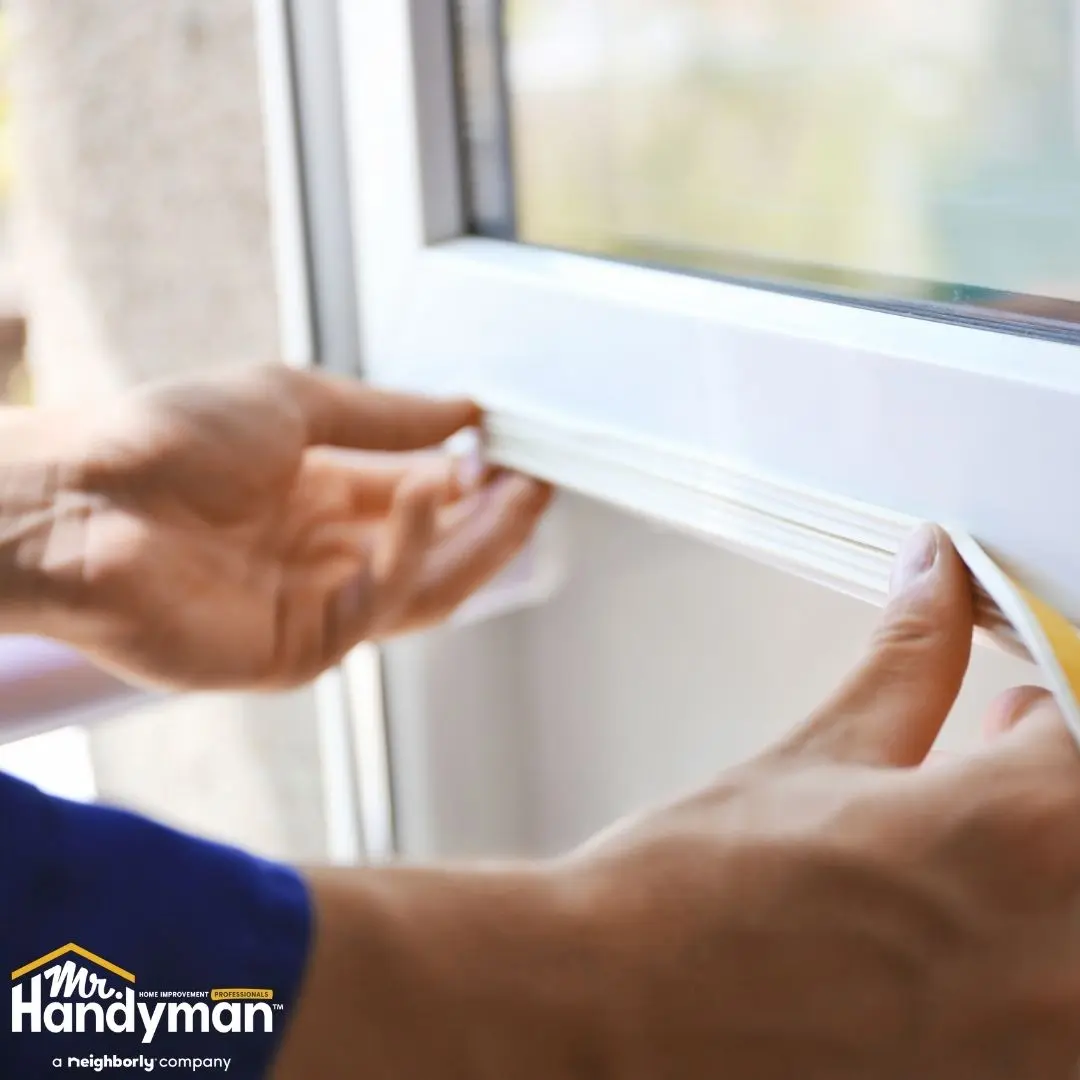
Tiny gaps around doors, windows, and trim may not seem like a big deal, but during freezing weather they create major problems. Cold air entering the home lowers indoor temperatures, increases heating costs, and encourages condensation to form on interior surfaces.
Moisture that forms near gaps can seep into walls, floors, and framing. When temperatures fluctuate, that moisture freezes and expands, slowly worsening the damage.
Small but important fixes include:
- Replacing cracked or flattened weather stripping around doors
- Sealing gaps around window frames and trim
- Repairing failing caulking along exterior walls
- Adjusting doors that no longer close tightly
Homes in areas such as Goshen and Granger often feature older construction where air sealing was less advanced. Improving these seals now prevents heat loss, moisture intrusion, and long term structural issues.
Fixing Minor Plumbing Exposure Before Pipes Freeze
Frozen pipes are one of the most destructive winter problems homeowners face. What often gets overlooked is how small the warning signs can be before a pipe freezes or bursts. Cold drafts near plumbing lines, unsealed wall openings, or minimal insulation can be enough to cause a failure during extreme cold.
Preventative home maintenance steps include:
- Insulating exposed pipes in basements and crawl spaces
- Sealing drafts near plumbing access points
- Repairing gaps in walls or ceilings around pipes
- Ensuring cabinet doors under sinks allow warm air to circulate
These small fixes help maintain consistent temperatures around plumbing and significantly reduce the risk of burst pipes and water damage.
Securing Flooring and Transitions Before Moisture Worsens Damage
Freezing weather increases the amount of moisture brought inside by snow and ice. That moisture works its way into flooring seams, cracks, and transitions, where it freezes, expands, and causes materials to loosen.
Minor flooring issues quickly become trip hazards or require full replacement if ignored.
Small fixes that prevent bigger flooring problems include:
- Securing loose carpet edges or seams
- Repairing cracked tiles or uneven hard surfaces
- Replacing worn transition strips between rooms
- Tightening threshold pieces at exterior doors
Entryways, kitchens, and hallways are especially vulnerable during winter. Addressing these areas early reduces safety risks while protecting flooring materials from accelerated wear.
Tightening Doors and Hardware Affected by Temperature Changes
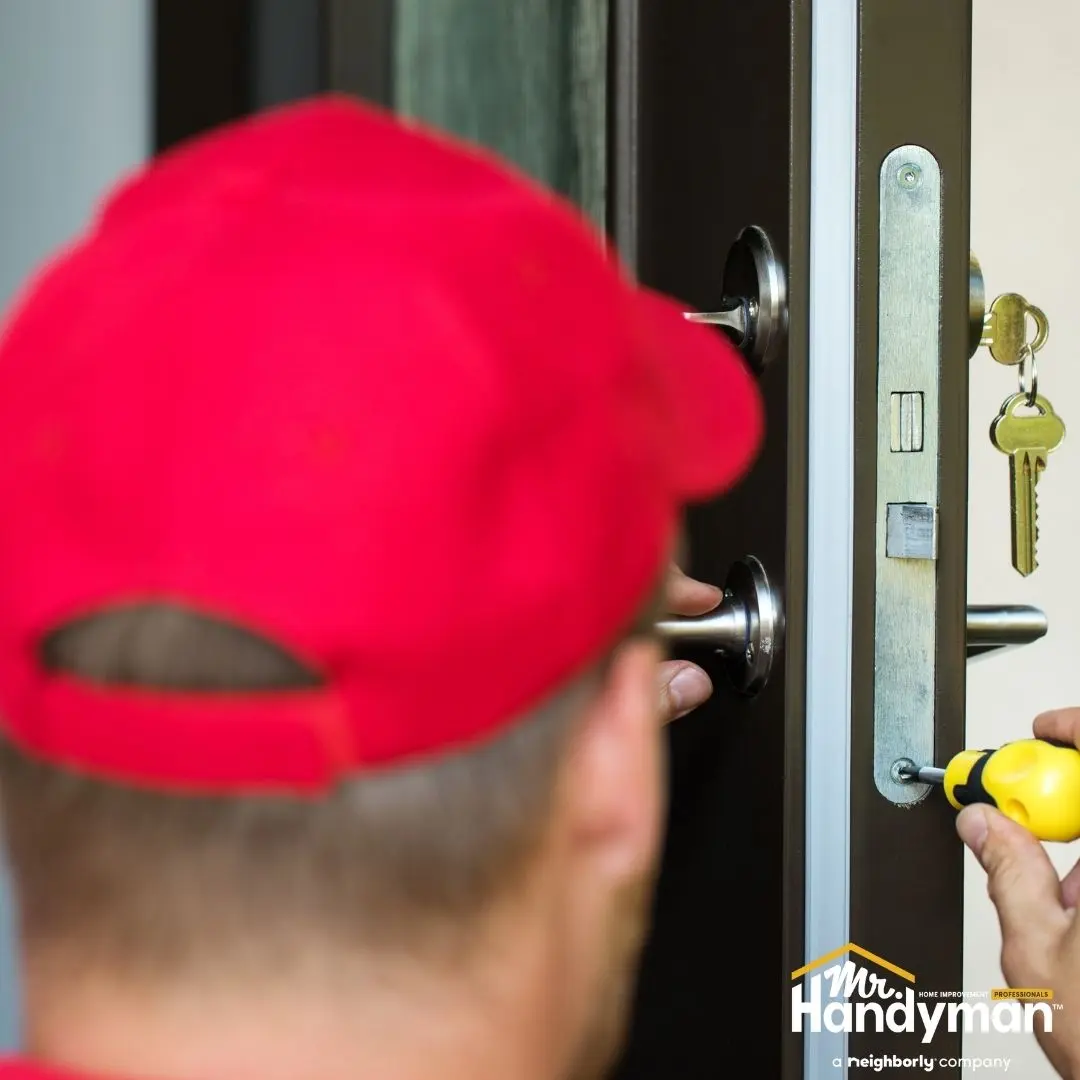
Freezing temperatures cause materials to contract, which often leads to loose hinges, misaligned doors, and failing hardware. A door that sticks slightly in fall may barely close during winter, creating security and safety concerns.
Simple home maintenance fixes include:
- Tightening loose hinges and hardware
- Adjusting doors that drag or fail to latch
- Repairing damaged frames or trim
- Replacing worn latches and handles
These small repairs restore proper door function, improve security, and reduce cold air intrusion during freezing weather.
Addressing Small Ceiling and Wall Warning Signs Early
Winter often reveals subtle interior warning signs that should never be ignored. Small ceiling stains, hairline drywall cracks, or peeling paint may indicate moisture intrusion, insulation gaps, or minor leaks worsened by freezing conditions.
Preventative fixes include:
- Patching drywall cracks before they expand
- Replacing stained ceiling materials
- Sealing attic access points to reduce drafts
- Repairing interior damage near exterior walls
Catching these signs early allows homeowners to stop moisture and heat loss before they spread into larger structural repairs.
Improving Lighting and Visibility During Winter Months
Shorter daylight hours increase reliance on interior lighting. Poor visibility makes small hazards harder to see, increasing the risk of falls and accidents during freezing weather.
Small lighting fixes that improve safety include:
- Replacing burned out or flickering fixtures
- Securing loose switches and wall plates
- Improving lighting near stairs and entryways
- Ensuring consistent illumination in hallways
These are quick fixes with an immediate impact on winter safety.
Why Small Fixes Matter More in Freezing Weather
Cold temperatures amplify the effects of small problems. Moisture expands when frozen. Drafts become more noticeable. Minor movement becomes structural stress. Addressing issues early prevents:
- Emergency repairs during storms
- Water damage from frozen pipes
- Costly flooring and drywall replacement
- Increased heating expenses
This preventative approach is a core principle of effective home maintenance.
Professional Help for Small Winter Repairs

Many homeowners notice several small issues at once during winter. Coordinating these repairs individually can be frustrating, especially in cold conditions.
Working with a trusted local provider like Mr. Handyman of Northern St. Joseph and Elkhart Counties allows multiple small fixes to be handled efficiently in one visit. Their handyman services are well suited for winter home maintenance, combining carpentry, drywall, flooring, and hardware repairs tailored to Northern Indiana’s climate.
Hidden Winter Issues Small Repairs Can Stop Before They Spread
While some winter problems are easy to spot, many of the most damaging issues start quietly. Small Fixes That Prevent Big Problems During Freezing Weather is just as much about identifying hidden risks as it is about repairing visible damage. Freezing temperatures amplify minor weaknesses inside the home, allowing them to spread quickly if left unaddressed.
In Northern Indiana, prolonged cold and repeated freeze thaw cycles place continuous stress on homes. Properties in South Bend, Mishawaka, and Elkhart often experience subtle shifts in framing, changes in indoor humidity, and increased pressure on building systems. Small preventative home maintenance tasks can stop these hidden issues before they become costly repairs.
Stopping Condensation Before It Causes Damage
Condensation is one of the most overlooked winter problems. When warm indoor air meets cold surfaces, moisture forms on windows, walls, and ceilings. Over time, that moisture seeps into materials and freezes, slowly breaking them down.
Small fixes that help control condensation include:
- Sealing gaps around window frames and trim
- Repairing damaged caulking along exterior walls
- Improving airflow near cold surfaces
- Securing loose interior trim that allows moisture intrusion
Addressing condensation early prevents mold growth, drywall damage, and long term structural concerns.
Securing Loose Trim and Interior Finishes
Cold weather causes materials to contract. As this happens, trim, baseboards, and molding may pull away slightly from walls or floors. While this movement may seem cosmetic, it creates gaps where cold air and moisture can enter.
Preventative repairs include:
- Refastening loose baseboards and trim
- Sealing small gaps created by temperature movement
- Repairing cracked joints before they widen
- Touching up damaged areas to protect materials
These small repairs help maintain the integrity of interior finishes and prevent further separation during freezing weather.
Protecting Attic and Crawl Space Access Points
Attic hatches and crawl space access points are common sources of winter problems. Poorly sealed access panels allow cold air to enter living spaces and warm air to escape. This temperature imbalance increases heating costs and encourages condensation.
Small fixes that make a big difference include:
- Sealing attic access covers
- Repairing damaged insulation around access points
- Securing loose panels and trim
- Closing gaps that allow drafts to enter
These home maintenance tasks improve energy efficiency while reducing moisture related risks.
Preventing Small Electrical Issues From Becoming Hazards
Winter increases reliance on lighting, heating equipment, and electrical systems. Minor electrical issues that went unnoticed during warmer months often become more apparent when usage increases.
Preventative electrical related fixes include:
- Securing loose outlets and wall plates
- Replacing flickering or failing light fixtures
- Tightening switches affected by temperature changes
- Addressing exposed wiring or damaged covers
While these repairs may seem minor, they reduce the risk of electrical failures and improve overall home safety during winter.
Catching Early Signs of Moisture Around Ceilings and Walls
Small stains, discoloration, or peeling paint are often early warnings of moisture intrusion. Freezing weather worsens these issues by expanding trapped moisture and pushing it deeper into materials.
Early intervention repairs include:
- Replacing stained ceiling tiles or drywall
- Sealing interior damage near exterior walls
- Identifying draft paths that contribute to moisture buildup
- Repairing minor interior leaks before they spread
These fixes prevent moisture from reaching structural components, where damage becomes far more expensive to repair.
Why Addressing Hidden Issues Matters in Winter
Hidden winter issues rarely remain hidden for long. Freezing temperatures accelerate deterioration, turning minor gaps and moisture problems into serious repairs.
By addressing these small fixes, homeowners can:
- Prevent mold and moisture damage
- Reduce heating strain and energy loss
- Avoid emergency repairs during extreme cold
- Protect the long term condition of their home
Professional Support for Preventative Winter Repairs
Identifying and addressing hidden winter issues requires experience and attention to detail. A professional handyman knows where winter problems commonly start and how to stop them early.
Working with a trusted local provider like Mr. Handyman of Northern St. Joseph and Elkhart Counties allows homeowners to address multiple small fixes efficiently. Their handyman services are designed for preventative home maintenance, with solutions tailored to Northern Indiana’s freezing weather conditions.
How Small Winter Repairs Create Big Long Term Protection
The final takeaway from Small Fixes That Prevent Big Problems During Freezing Weather is understanding how minor winter repairs protect your home well beyond the cold season. Freezing temperatures do not just test your home in the moment. They reveal weaknesses that, if ignored, continue to cause damage throughout the year. Addressing small issues during winter strengthens your home’s performance, safety, and durability for the long term.
In Northern Indiana, winter conditions often linger into early spring. Homes across Northern St. Joseph and Elkhart Counties continue to experience freeze thaw cycles, snowmelt, and fluctuating indoor humidity. Repairs made during freezing weather help homes transition smoothly into warmer seasons without carrying hidden damage forward.
Stopping the Chain Reaction of Winter Damage
Many costly home repairs start with a series of small, preventable issues. A draft allows moisture to enter. Moisture freezes and expands. Materials crack, loosen, or rot. What began as a minor gap or loose component becomes a major repair.
Small winter fixes help stop this chain reaction by:
- Keeping moisture out of walls, floors, and ceilings
- Maintaining stable indoor temperatures
- Reducing material movement caused by freezing
- Protecting finishes and structural components
When these issues are addressed early, homes are better equipped to handle seasonal changes.
Reducing Emergency Repairs and Unexpected Costs
Winter emergencies often happen during storms or extreme cold, when access to contractors is limited and repair costs are higher. Small preventative repairs reduce the likelihood of sudden failures that require immediate attention.
Homeowners who focus on winter maintenance benefit from:
- Fewer emergency service calls
- Lower overall repair costs
- More predictable maintenance planning
- Reduced stress during harsh weather
This proactive approach supports better budgeting and peace of mind.
Improving Energy Efficiency Year Round
Many winter fixes directly improve energy efficiency. Sealed gaps, adjusted doors, and insulated access points reduce heat loss in winter and help keep cool air inside during summer.
Energy efficiency improvements include:
- Lower heating and cooling bills
- Reduced strain on HVAC systems
- More consistent indoor comfort
- Improved overall home performance
These benefits continue long after freezing weather ends.
Protecting Indoor Air Quality and Health
Moisture and condensation issues addressed in winter play a major role in indoor air quality. Preventing moisture buildup reduces the risk of mold growth and helps maintain healthier living conditions.
Small repairs that support air quality include:
- Sealing moisture entry points
- Repairing water damaged materials
- Improving airflow near cold surfaces
- Preventing condensation related deterioration
Healthier indoor environments are especially important during winter, when homes are sealed tightly and occupants spend more time indoors.
Making Seasonal Home Maintenance More Manageable
Addressing small fixes in winter makes the rest of the year easier. When winter related problems are resolved, homeowners can focus on planned upgrades and outdoor projects without being distracted by unresolved issues.
This approach allows homeowners to:
- Spread maintenance tasks evenly throughout the year
- Avoid backlog of deferred repairs
- Plan upgrades strategically
- Maintain better control over home upkeep
The Value of Local Expertise in Freezing Conditions
Winter repairs require knowledge of how freezing weather affects homes in Northern Indiana. Local construction styles, insulation practices, and weather patterns all influence where problems develop.
Mr. Handyman of Northern St. Joseph and Elkhart Counties offers handyman services tailored to these regional conditions. Their experience allows them to identify small winter issues quickly and implement fixes that prevent long term damage.
Why Small Fixes Are the Smartest Winter Investment
Completing Small Fixes That Prevent Big Problems During Freezing Weather is one of the smartest investments homeowners can make. These repairs require minimal time and cost compared to the damage they prevent.
By taking action during freezing weather, homeowners across Northern St. Joseph and Elkhart Counties protect their homes, reduce future repair expenses, and enjoy greater comfort and confidence throughout the year.