Winter presents some of the highest risk conditions commercial properties face all year. Snow, ice, freezing temperatures, and reduced daylight combine to create hazards that impact employees, customers, and operations alike. Winter Safety Improvements Every Commercial Property Needs focuses on proactive steps businesses can take to reduce accidents, protect facilities, and maintain reliable operations throughout Northern Indiana’s harsh winter months.
In Northern St. Joseph and Elkhart Counties, winter is not a short season. Businesses in South Bend, Mishawaka, and Elkhart regularly experience extended periods of snow accumulation, freeze thaw cycles, and subfreezing temperatures. These conditions place unique stress on building exteriors, entryways, and interior systems. Without targeted commercial maintenance, minor winter related issues can quickly escalate into safety incidents, liability exposure, and costly repairs.
A strategic approach to winter safety combines preventative planning, timely upgrades, and consistent handyman services. When addressed early, these improvements help commercial properties remain safe, accessible, and functional regardless of weather conditions.
Improving Exterior Walkways and Entry Safety
Slip and fall incidents are among the most common winter related risks for commercial properties. Exterior walkways, parking areas, and building entrances are especially vulnerable as snow melts during the day and refreezes overnight.
Commercial maintenance should begin with a thorough assessment of all pedestrian paths leading to the building. Even small surface defects become hazardous when covered with ice or packed snow.
Priority exterior safety improvements include:
- Repairing cracked or uneven concrete that collects water
- Ensuring proper drainage away from walkways and entrances
- Installing or maintaining non slip surfaces at building entries
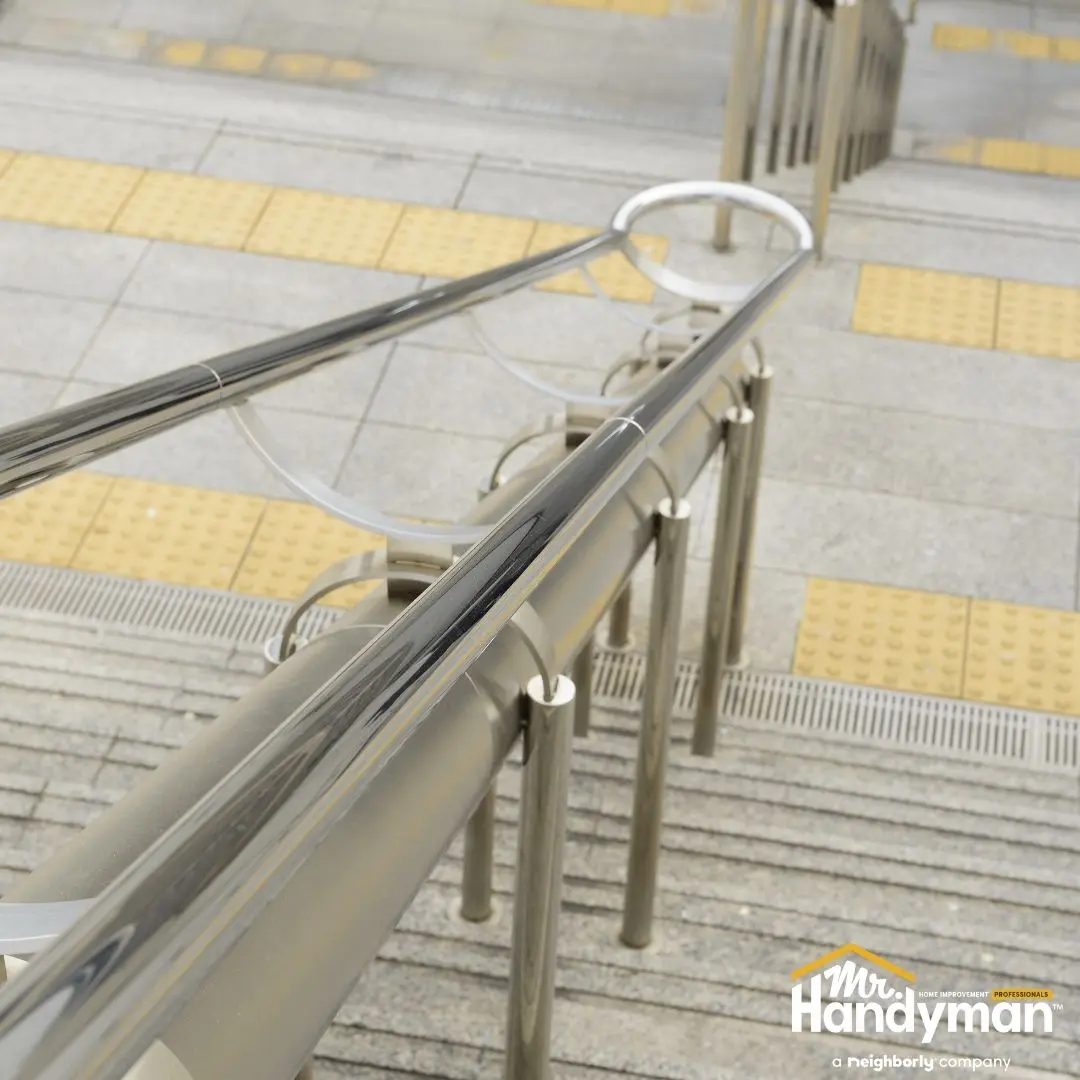
- Securing handrails along ramps and stairs
In cities such as Goshen and Plymouth, older commercial properties often have aging exterior surfaces that are particularly susceptible to winter damage. Addressing these issues before peak winter conditions significantly reduces fall risks and liability concerns.
Managing Snow and Ice at Building Entrances
Entrances act as transition zones between outdoor winter conditions and interior spaces. Without proper safeguards, snow and ice are tracked indoors, creating slippery conditions that extend well beyond the doorway.
Effective winter safety improvements focus on both exterior and interior entry management. Commercial maintenance strategies often include:
- Installing heavy duty commercial grade entry mats
- Repairing door thresholds to prevent water intrusion
- Ensuring vestibules are properly sealed and functional
- Maintaining door closers to prevent doors from freezing open
These improvements help contain moisture and reduce the spread of slippery conditions inside the building. They also support energy efficiency by minimizing heat loss during cold weather.
Businesses operating in high traffic areas such as Bristol and Notre Dame benefit greatly from well maintained entrances, as foot traffic increases the likelihood of moisture related hazards.
Enhancing Lighting for Shorter Winter Days
Reduced daylight hours are a defining feature of winter in Northern Indiana. Poor visibility increases the risk of accidents, particularly during early morning and evening hours when many businesses operate.
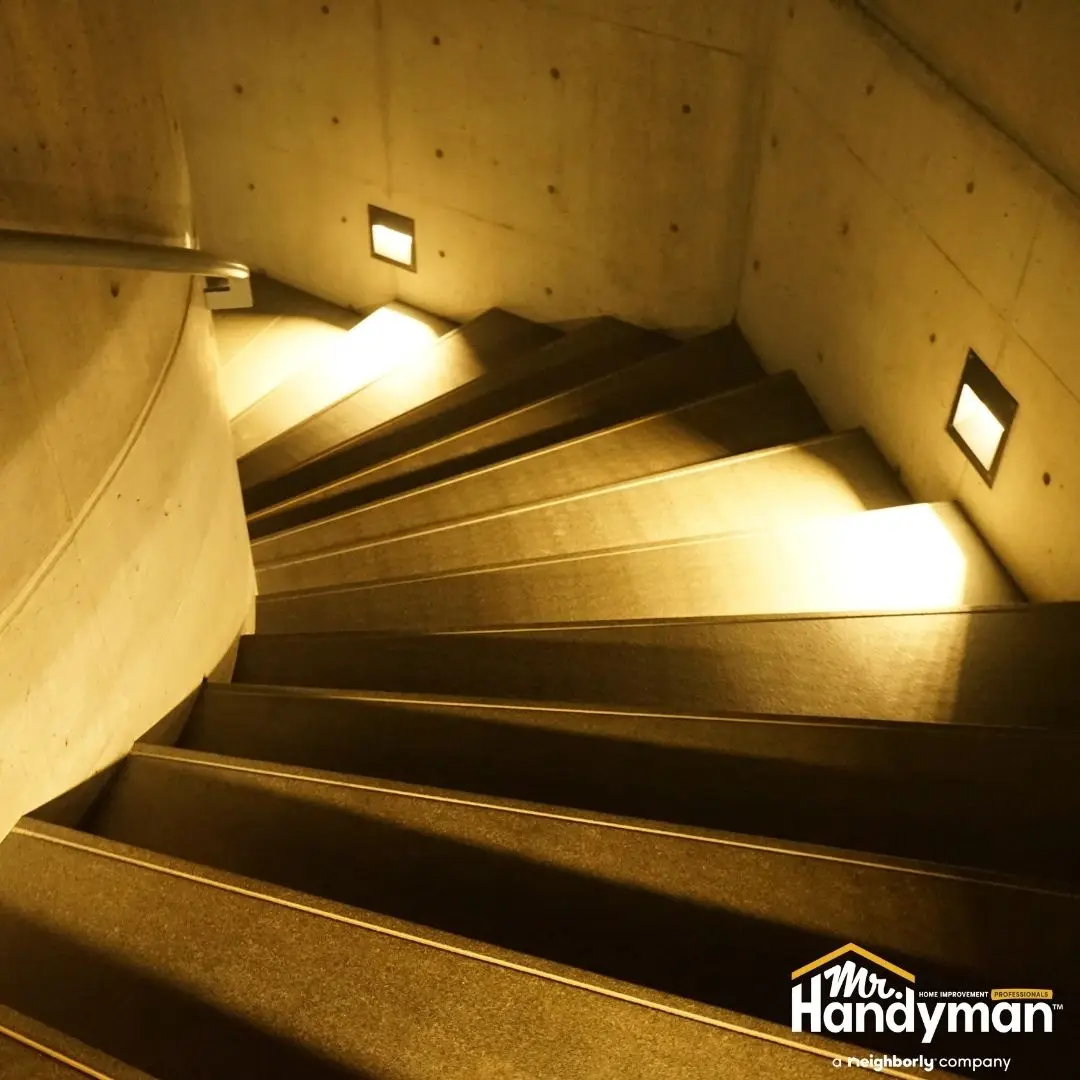
Lighting is a critical component of winter safety, yet it is often overlooked until a fixture fails. Proactive commercial maintenance ensures lighting systems support safe navigation throughout the property.
Key lighting improvements include:
- Replacing burned out exterior and parking lot lights
- Improving illumination near entrances and walkways
- Ensuring interior lighting is consistent and glare free
- Verifying emergency and exit lighting functionality
Well lit properties reduce slip risks, improve security, and create a safer environment for employees and visitors. In areas like Granger and Osceola, where commercial properties may include expansive parking areas or multiple access points, lighting consistency is especially important during winter months.
Addressing Roof and Drainage Safety Concerns
Roof systems play a critical role in winter safety. Snow accumulation, ice dams, and blocked drainage can lead to falling ice hazards, water intrusion, and structural stress.
Commercial maintenance should include roof related safety checks before and during winter. These inspections help identify issues that may not be visible from ground level but pose serious risks.
Important roof and drainage improvements include:
- Clearing debris from gutters and downspouts
- Inspecting flashing and roof edges for damage
- Identifying areas prone to ice dam formation
- Ensuring drainage directs water away from entrances
Water that refreezes near building entrances or walkways increases slip hazards. Proactive drainage management reduces this risk while protecting the building envelope.
Preparing Interior Spaces for Winter Conditions
Winter safety does not stop at the door. Interior spaces are directly affected by moisture, temperature changes, and increased use of heating systems. Floors near entrances, restrooms, and common areas are especially vulnerable.
Interior commercial maintenance priorities often include:
- Repairing damaged flooring or transitions
- Securing loose baseboards and trim
- Addressing moisture intrusion before mold develops
- Ensuring heating systems distribute warmth evenly
Applying home maintenance principles to commercial interiors helps businesses maintain safe, comfortable environments during winter months.
The Value of Professional Winter Maintenance Support
Coordinating winter safety improvements requires experience and consistency. Partnering with a trusted local provider such as Mr. Handyman of Northern St. Joseph and Elkhart Counties allows businesses to address multiple safety concerns through one reliable source.
Professional handyman services are well suited for winter related repairs, adjustments, and preventative upgrades. Local expertise ensures solutions account for regional climate conditions and building styles common throughout Northern St. Joseph and Elkhart Counties.
Winter safety improvements are not optional. They are a critical part of responsible commercial maintenance. Addressing exterior hazards, entrance management, lighting, roofing, and interior conditions early helps businesses reduce risk, protect occupants, and maintain operations throughout the winter season.
Protecting Employees and Visitors From Cold Weather Hazards
Beyond snow and ice management, Winter Safety Improvements Every Commercial Property Needs must also address the less visible hazards created by cold temperatures and winter building behavior. As materials contract, systems work harder, and indoor conditions shift, commercial properties face safety risks that extend well beyond exterior surfaces. Addressing these concerns through proactive commercial maintenance helps protect people while keeping facilities operational.
In Northern Indiana, prolonged cold snaps are common. Businesses across South Bend, Mishawaka, and Elkhart often experience weeks of subfreezing temperatures that strain both buildings and occupants. Winter safety planning must account for how these conditions affect interior environments, access points, and critical systems.
Maintaining Safe Interior Temperatures and Airflow
Cold weather places significant demand on heating systems. When indoor temperatures fluctuate or airflow becomes uneven, safety and comfort are compromised. Employees working in cold areas may experience discomfort, while customers may shorten visits or perceive the business as poorly maintained.
Commercial maintenance should prioritize:
- Verifying even heat distribution throughout the building
- Addressing cold spots caused by air leaks or blocked vents
- Ensuring thermostats and controls function accurately
- Inspecting visible ductwork and registers for damage
Uneven heating can also create secondary hazards. Cold floors near entrances increase the likelihood of moisture refreezing, while overheated areas may cause condensation on windows and walls. Consistent temperature control reduces these risks and supports overall winter safety.
Preventing Moisture Buildup and Interior Slips
Moisture is one of the most persistent winter hazards inside commercial buildings. Snow and ice tracked indoors melt quickly, spreading water across floors in entryways, corridors, and restrooms. Without proper controls, these areas become slip hazards long after exterior conditions improve.
Preventative commercial maintenance strategies include:
- Repairing damaged floor surfaces that trap moisture
- Securing loose mats and floor coverings
- Ensuring floor transitions remain level and intact
- Maintaining ventilation in moisture prone areas
Businesses in high traffic environments, including retail and medical facilities, benefit significantly from these improvements. Small adjustments reduce accident risk while protecting interior finishes from water damage.
Ensuring Doors and Emergency Exits Operate Reliably
Doors behave differently in cold weather. Metal contracts, seals stiffen, and hardware experiences increased resistance. When doors fail to open or close properly, safety and security are compromised.
Winter focused maintenance should include:
- Adjusting doors affected by temperature related movement
- Replacing worn weather stripping and seals
- Servicing door closers to prevent freezing or slamming
- Verifying emergency exits remain unobstructed and functional
Emergency egress reliability is especially critical during winter storms or power outages. Commercial maintenance ensures that exits function as intended when they are needed most.
Protecting Pipes and Plumbing From Freeze Related Damage
Frozen pipes pose both safety and financial risks. Burst pipes can flood interior spaces, create slip hazards, and force temporary closures. While plumbing failures are often viewed as operational issues, they are also winter safety concerns.
Preventative measures include:
- Sealing drafts near plumbing lines
- Insulating exposed pipes in vulnerable areas
- Repairing damaged wall or ceiling penetrations
- Monitoring spaces that receive limited heat
These actions reduce the likelihood of sudden water damage and help maintain safe interior conditions throughout the winter season.
Winter Electrical Safety and Reliability
Cold weather increases reliance on lighting, heating equipment, and electrical systems. As demand rises, weaknesses in electrical components become more apparent. Flickering lights, failing outlets, and overloaded circuits are not just inconveniences. They can create safety hazards.
Commercial maintenance should address:
- Worn switches and outlets in high use areas
- Adequate lighting in stairwells and corridors
- Functionality of backup and emergency lighting
- Visible signs of electrical strain or damage
Proper lighting and electrical reliability are especially important during winter storms when visibility is reduced and power interruptions are more likely.
Why Ongoing Winter Maintenance Matters
Winter safety is not a one time preparation. Conditions change throughout the season, and hazards evolve as snow melts, refreezes, and accumulates again. Businesses that rely on one initial inspection often miss emerging issues.
Partnering with a local provider like Mr. Handyman of Northern St. Joseph and Elkhart Counties allows businesses to respond quickly to winter related concerns. Their handyman services support timely adjustments and repairs that keep properties safe as conditions shift.
By focusing on interior temperature control, moisture management, door reliability, plumbing protection, and electrical safety, commercial properties strengthen their winter readiness. These improvements protect people first while reducing the likelihood of costly damage and operational disruption.
Creating a Reliable Winter Safety Plan That Lasts Beyond the Cold Months
The final piece of Winter Safety Improvements Every Commercial Property Needs is consistency. Winter hazards are not limited to the first snowfall or the coldest week of the year. They evolve over time as weather patterns shift, buildings respond to temperature changes, and foot traffic continues. Commercial properties that remain safe throughout winter are those that treat safety as an ongoing process rather than a seasonal checklist.
In Northern St. Joseph and Elkhart Counties, winter conditions often extend well into early spring. Freeze thaw cycles continue to create ice hazards, moisture intrusion, and structural movement long after snow removal becomes routine. A reliable winter safety plan anticipates these changes and adapts accordingly.
Monitoring Conditions and Adjusting Safety Measures
One of the most effective winter safety practices is ongoing monitoring. Conditions that were safe one week can become hazardous the next due to refreezing, drainage issues, or material fatigue. Regular walkthroughs allow property managers to identify new risks early.
Key areas that benefit from continuous monitoring include:
- Walkways and ramps where melting snow refreezes overnight
- Entryways where mats shift or wear down over time
- Interior floors near doors that accumulate moisture
- Exterior lighting affected by snow buildup or shortened daylight
This proactive approach supports commercial maintenance efforts by catching issues before they result in incidents or complaints. Monitoring does not require complex tools, only consistency and awareness.
Maintaining Communication With Staff and Tenants
Employees and tenants are often the first to notice developing hazards. Encouraging prompt reporting of slippery surfaces, cold areas, or malfunctioning doors strengthens winter safety across the property.
Effective communication strategies include:
- Clear procedures for reporting safety concerns
- Visible signage reminding occupants to report hazards
- Timely responses to reported issues
- Follow up to ensure repairs are effective
When people feel their concerns are addressed quickly, overall safety improves. This collaborative approach reduces risk while reinforcing a culture of accountability.
Addressing Wear Caused by Winter Traffic
Winter increases stress on many building components. Heavy boots, moisture, salt, and debris accelerate wear on flooring, thresholds, and finishes. Without intervention, this wear can compromise safety and appearance.
Commercial maintenance strategies that address winter wear include:
- Repairing damaged flooring before surfaces become uneven
- Replacing worn transition strips and thresholds
- Touching up wall protection in high traffic areas
- Reinforcing door hardware affected by repeated use
These tasks may seem minor, but they play a significant role in preventing slips, trips, and access issues. Applying home maintenance principles to these commercial spaces helps preserve durability through the winter season and beyond.
Reducing Liability Through Documentation and Follow Through
Winter safety is closely tied to liability management. Documenting inspections, repairs, and corrective actions demonstrates due diligence and helps protect businesses in the event of an incident.
Good documentation practices include:
- Recording dates and findings from safety walkthroughs
- Tracking completed repairs and adjustments
- Noting recurring problem areas
- Keeping maintenance records accessible
This level of organization supports smarter decision making and ensures that safety improvements are not overlooked as winter progresses.
Preparing for Late Winter and Early Spring Transitions
Late winter often presents unique challenges. Snow melts during warmer days, refreezes at night, and exposes underlying surface damage. Drainage systems tested by melting snow can reveal new issues near entrances and walkways.
Commercial properties should plan for this transition by:
- Inspecting drainage paths and downspouts
- Repairing surfaces damaged by freeze thaw cycles
- Monitoring interior moisture levels
- Adjusting safety measures as conditions change
These steps ensure winter safety efforts remain effective through the final weeks of cold weather.
The Advantage of Ongoing Professional Support
Managing winter safety consistently requires time, skill, and flexibility. Partnering with a trusted local provider simplifies this process. Mr. Handyman of Northern St. Joseph and Elkhart Counties offers handyman services that support ongoing commercial maintenance throughout the winter season.
Their experience with regional climate conditions allows them to anticipate common winter related issues and address them efficiently. Rather than coordinating multiple contractors, businesses can rely on one provider for adjustments, repairs, and preventative improvements.
This approach reduces response times, improves consistency, and helps ensure safety concerns are handled correctly the first time.
Winter Safety as Part of Long Term Facility Care
The most effective winter safety improvements continue to deliver value long after temperatures rise. Repairs completed during winter often improve durability, energy efficiency, and overall building performance year round.
Benefits that extend beyond winter include:
- Reduced moisture related damage
- Improved door and window performance
- More reliable lighting and access control
- Stronger flooring and interior finishes
By viewing winter safety as part of a broader commercial maintenance strategy, businesses protect their facilities while supporting long term operational stability.
Why Proactive Winter Safety Pays Off
Winter safety improvements protect people first. Employees work with greater confidence. Customers feel more secure. Operations run with fewer disruptions. These outcomes directly support business success.
Commercial properties that commit to Winter Safety Improvements Every Commercial Property Needs reduce accident risk, control repair costs, and demonstrate responsible facility management. Through consistent monitoring, timely repairs, and reliable handyman services, businesses across Northern St. Joseph and Elkhart Counties can navigate winter with confidence and emerge stronger when spring arrives.
Prevent costly repairs with proactive maintenance. Book preventative maintenance online at https://www.mrhandyman.com/request-service/ or call.