When the Rain Comes, Your Sump Pump Either Works or It Doesn't
Charleston and Summerville do not ease into spring rainfall. The season arrives with the kind of sustained, heavy precipitation that the Low Country delivers more intensely than most of the eastern seaboard, and for homeowners whose properties depend on sump systems to manage groundwater and stormwater intrusion, that transition is the moment when a sump pump either justifies its presence or reveals that it has been quietly failing through the drier months when it was least tested.
The Low Country's relationship with water is fundamental and unavoidable. Charleston sits on a peninsula between two rivers at near sea level, and much of the surrounding region, including significant portions of Summerville and the communities between them, sits on flat terrain with high water tables, sandy soils that move water quickly, and drainage systems that reach their limits during the significant rain events that South Carolina's spring and summer seasons deliver. For homes in these conditions, a functioning sump system is not an optional upgrade. It is the infrastructure that stands between a dry below-grade space and the water intrusion that Low Country ground conditions produce when drainage systems are tested.
The problem with sump pumps is that they operate invisibly, cycling on and off without announcing themselves, until the moment they fail to cycle when they should. Spring is the season that reveals those failures, and a pump that has not been inspected before the heavy rain season arrives is carrying whatever condition changes developed during the quieter months directly into the period when it is needed most.
What the Low Country's Spring Rainfall Pattern Means for Homes With Sump Systems
Charleston and Summerville receive approximately fifty inches of annual rainfall, with spring and summer delivering the most significant precipitation events of the year. The region's flat topography and high water table mean that rainfall does not simply drain away but rather raises the water table across the broader landscape, increasing hydrostatic pressure against foundations and below-grade spaces throughout the storm event and for extended periods afterward.
The specific geology of the Low Country amplifies this challenge. The sandy and loamy soils that characterize much of the Charleston and Summerville area transmit water quickly in some conditions but can become saturated during sustained rainfall in ways that direct significant water volumes toward residential foundations. In areas with heavier clay content, that saturation persists longer after rain events end. The net effect is that sump systems in this region manage water pressure that arrives quickly, peaks significantly during storm events, and recedes slowly as soils release their moisture load over the days following significant rainfall.
Homes in low-lying areas of West Ashley, Johns Island, and the communities along the drainage corridors between Charleston and Summerville experience this dynamic most acutely. But the water table conditions that characterize the broader Low Country mean that virtually any home with below-grade space or a crawl space sump system in this region depends on that system performing correctly through every significant rainfall event spring delivers.
How Sump Pumps Fail and Why Low Country Conditions Drive Specific Concerns
Sump pump failures follow the same general mechanisms everywhere, but Low Country conditions create specific failure risk factors that homeowners in this region should understand.
Float switch failure is the most common cause of sump pump malfunction across all climates. In Low Country crawl spaces and below-grade installations, the organic debris and sediment that the region's wet conditions introduce to sump pits accumulates around float mechanisms at rates that drier climates do not produce. A float switch that has become restricted by debris accumulation does not activate the pump regardless of rising water levels, which in a Low Country storm event means water rising without the response that makes the system functional.
Motor vulnerability from infrequent use is a specific Low Country concern for sump pumps that serve homes in areas where the water table remains below the activation threshold during dry periods. A pump that sits idle for weeks or months between significant rain events can develop the seized impeller, dried seal, and corroded electrical connection that inactivity produces in a humid, warm environment. When that pump is finally called to activate during a significant spring storm, it may fail to start or fail to sustain operation precisely when the water volume demands are highest.
Discharge line obstruction in Low Country installations requires specific spring assessment. Discharge lines that run through crawl space areas or exit the home at or near grade can accumulate the root intrusion, sediment, and debris that the region's active growing conditions produce in underground or near-grade drainage components. A pump that activates against a partially obstructed discharge line cannot move water at its designed rate, causing the pit to fill faster than the pump can empty it during significant storm events.
Power supply vulnerabilities in the Low Country carry specific urgency given the region's storm patterns. The severe thunderstorms and tropical weather systems that bring the heaviest spring and summer rainfall to Charleston and Summerville also produce the power outages that take sump pumps offline at exactly the moment when water intrusion risk is highest. Homes without battery backup systems lose their primary basement and crawl space protection precisely when the conditions creating the most risk are present.
What a Proper Pre-Spring Sump Pump Inspection Covers
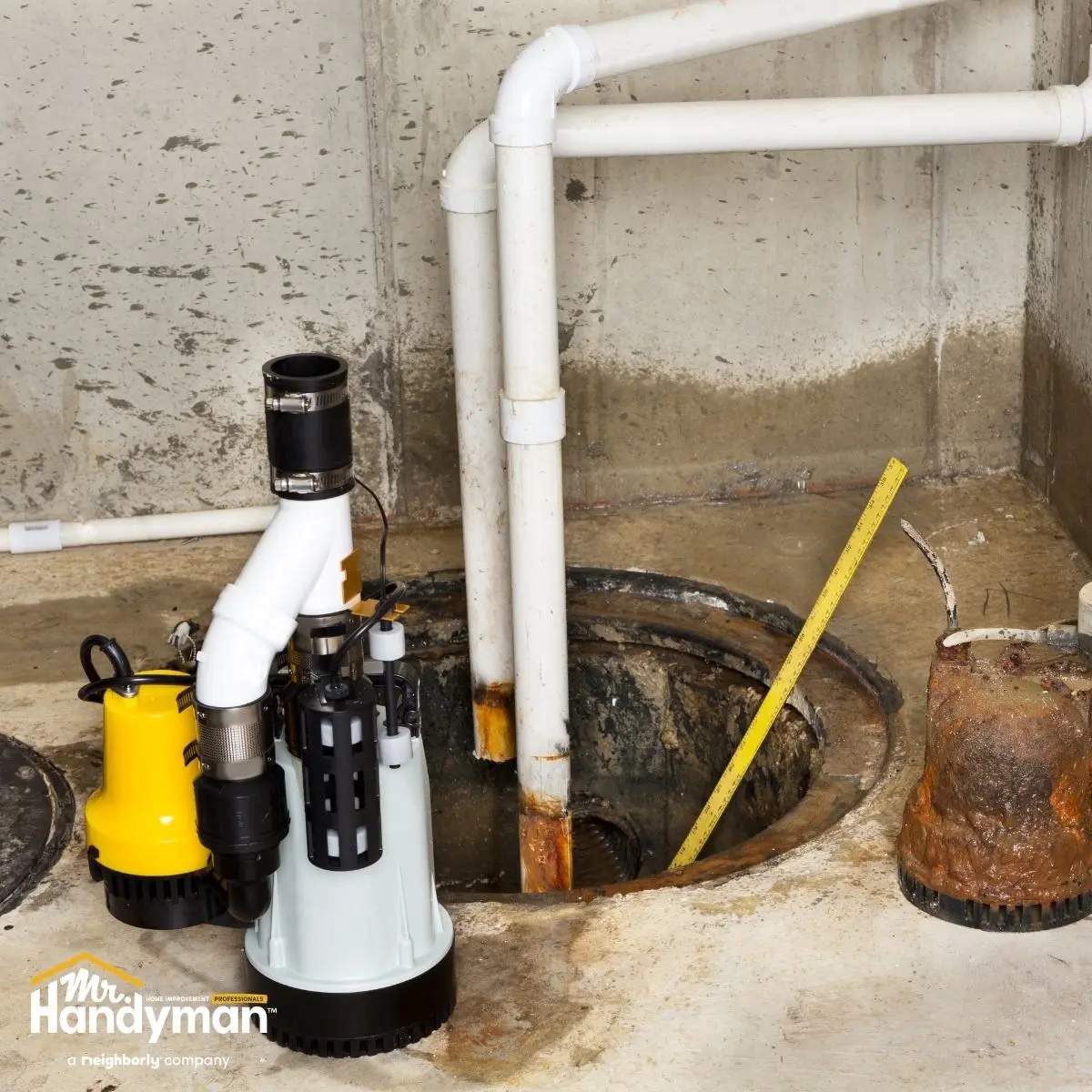
The sump pit should be cleaned and assessed before spring rain season. In Low Country installations, this means removing the organic debris, sediment, and root material that the region's wet growing conditions introduce to pits between service intervals. Confirm that the pit liner is intact and that the float switch can move freely through its full range.
The float switch should be tested by manually lifting it to confirm the pump activates immediately, runs smoothly, and sounds correct. Any grinding, rattling, or labored motor sound warrants professional assessment before spring rains test the unit under full load.
The discharge line should be confirmed clear from the pump to its exterior exit point, with the exterior termination directing water well away from the foundation rather than returning it to the soil zone where it creates renewed intrusion pressure.
Battery Backup Systems: Essential Protection in the Low Country
A sump pump that functions perfectly under normal conditions carries one fundamental vulnerability that Low Country homeowners should take more seriously than those in most other regions. It depends on electricity to operate, and the storms that produce the heaviest rainfall in Charleston and Summerville are the same storms most likely to produce power outages. That overlap is not incidental. The tropical weather systems, severe thunderstorms, and organized storm events that bring significant rainfall to the Low Country frequently produce the wind, lightning, and grid disruptions that eliminate line power at exactly the moment when sump pump operation is most critical.
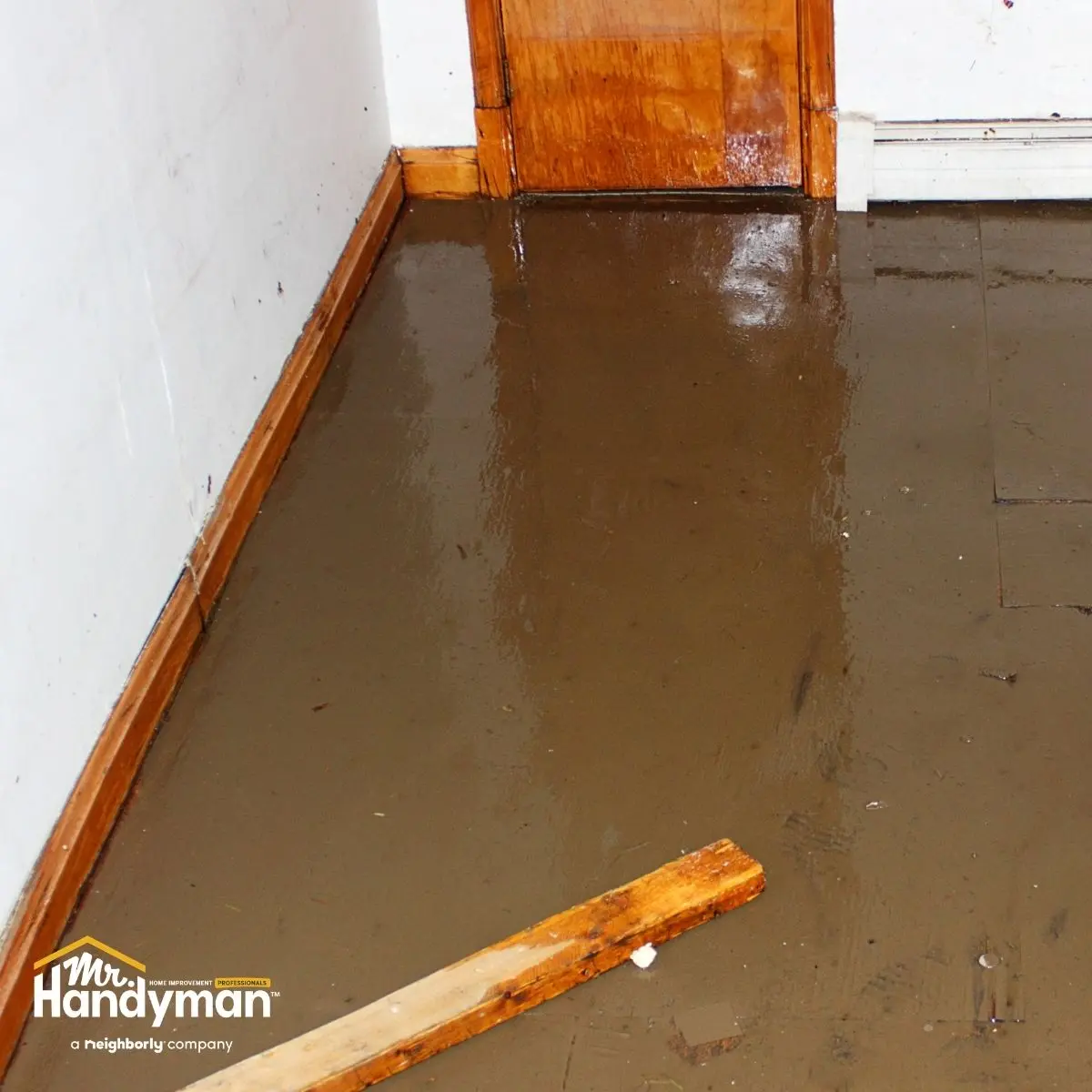
During a power outage, a standard sump pump goes completely offline. The water table continues rising. The sump pit fills. And without the pump cycling, hydrostatic pressure against foundation walls and crawl space assemblies has nowhere to go except into the home. In a Low Country home where the water table is already elevated and where soil saturation from ongoing rainfall continues adding to that pressure, the interval between power loss and water intrusion can be measured in hours rather than days.
A battery backup sump pump system addresses this directly with a secondary pump powered by a deep-cycle marine battery that activates automatically when primary pump power is lost. Quality battery backup systems provide several hours of pumping capacity on a full charge, which in most Low Country storm events is sufficient to manage water intrusion until power is restored. For homeowners in the low-lying areas of West Ashley, Johns Island, and the drainage corridors between Charleston and Summerville, where both storm intensity and power outage frequency are elevated, a battery backup system is the difference between a manageable water management situation and a property damage event.
The battery in a backup system requires its own annual inspection and periodic replacement. A deep-cycle battery showing surface charge without adequate reserve capacity will not sustain pump operation through a multi-hour outage. Battery replacement every three to five years is a reasonable maintenance interval that ensures the backup system provides its intended protection when spring and summer storm seasons test it.
How Low Country Home Construction Shapes Sump System Demands
Not every Charleston and Summerville home places the same demands on a sump system, and understanding how your home's specific construction and site conditions affect those demands helps determine what pump capacity, backup protection, and maintenance frequency your situation requires.
Elevated homes on crawl space foundations, which are common throughout both Charleston and Summerville, rely on sump systems to manage the ground moisture that the Low Country's high water table and significant rainfall introduce beneath the home. The crawl space environment in these homes presents specific sump system challenges. Organic debris from the ground surface, root intrusion from the mature landscaping that Low Country properties typically carry, and the biological activity that the region's warm, wet crawl space conditions sustain all affect sump pit and pump condition at rates that comparable installations in drier climates do not experience.
Slab-on-grade construction in newer Summerville developments presents different water management challenges. Without a crawl space, water intrusion concerns focus on the perimeter drainage systems and any below-grade mechanical spaces. Sump systems in these installations serve different functions than crawl space systems and require assessment approaches that reflect their specific configuration.
Older Charleston homes in lower-elevation neighborhoods, including areas of the Peninsula and the communities along tidal creeks and drainage corridors, carry water management demands that reflect both the age of their drainage infrastructure and the elevation conditions that make them most vulnerable to the water table rise that significant rainfall events produce. These homes benefit from the most thorough pre-spring sump system assessment and the most robust backup protection given their specific vulnerability profile.
Signs Your Sump System May Already Be Struggling
Between formal inspection intervals, observable conditions indicate that a sump system is not operating correctly and warrants immediate attention before spring rain season demands its full performance.
A pump that runs continuously or cycles on and off rapidly without active rainfall suggests either a stuck float switch, a failed check valve allowing discharged water to return to the pit, or a water intrusion source exceeding the pump's capacity. Any of these conditions requires prompt professional evaluation. In Low Country conditions where standing water beneath a home creates the mold and structural deterioration conditions that warm, humid climates rapidly advance, a pump cycling incorrectly is not simply a mechanical concern. It is an active threat to the home's structural and air quality conditions.
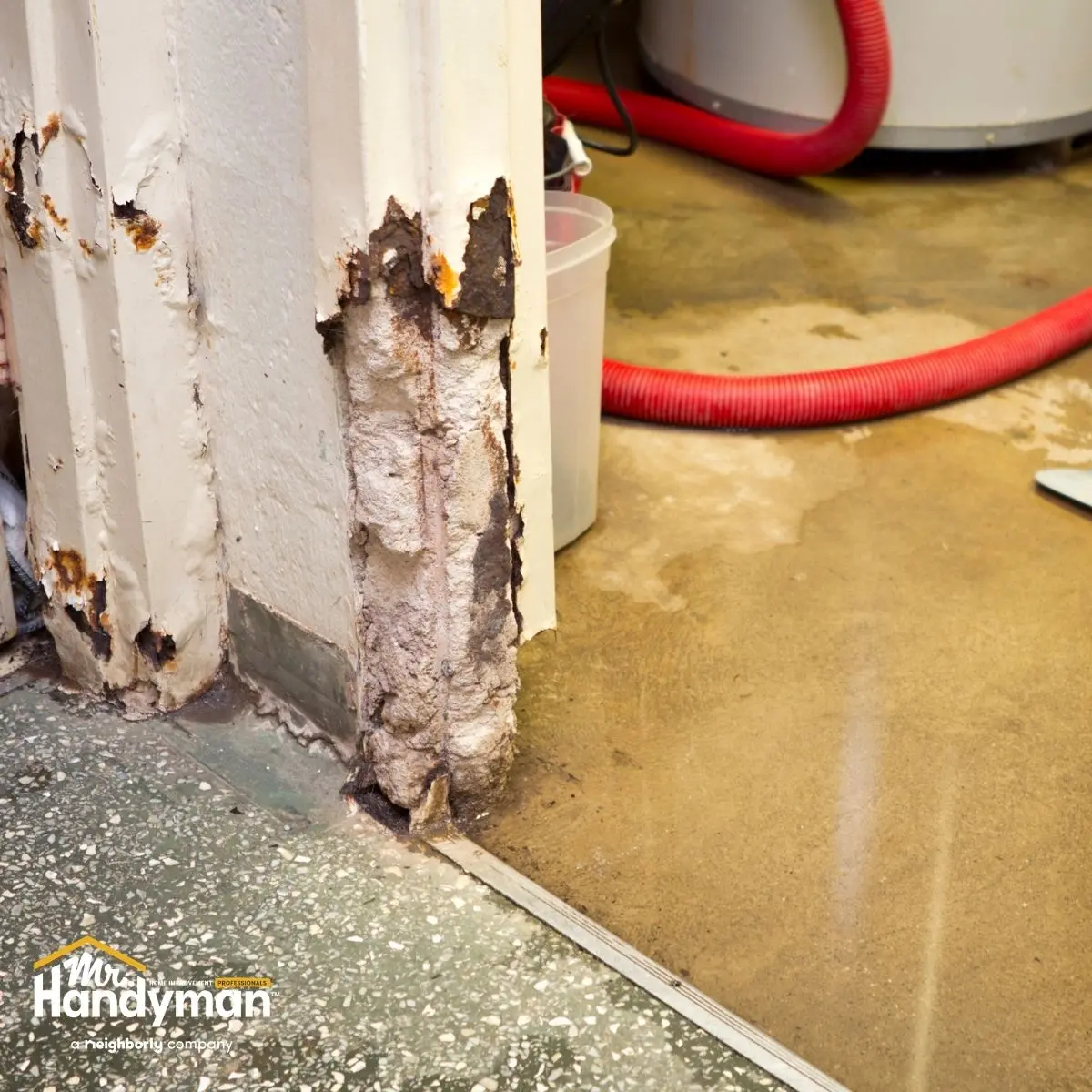
Unusual sounds during pump operation, including grinding, rattling, or labored motor noise, indicate mechanical wear that will not resolve on its own. A pump showing visible corrosion on its housing reflects the aggressive humid environment of a Low Country crawl space installation and warrants internal condition assessment even when external corrosion appears limited to surface oxidation.
Musty odors migrating from below-grade spaces into the living area above are one of the clearest indicators that crawl space moisture conditions have advanced beyond what the sump system is managing. In Low Country homes where the crawl space and living space share the air that HVAC systems distribute, moisture conditions below the home become air quality conditions throughout it.
Frequently Asked Questions
How long does a sump pump typically last in a Low Country installation? Most sump pumps have a functional lifespan of seven to ten years under normal conditions. Pumps in Low Country crawl space installations with the organic debris load, biological activity, and continuous humidity that the region's conditions produce may reach the end of their reliable service life closer to the lower end of that range. Age combined with the specific operating environment of a Low Country installation is sufficient reason to have a pump professionally evaluated regardless of whether symptoms have appeared.
Should I test my sump pump myself before spring? Pouring water into the pit to trigger the float switch and confirm the pump activates is a useful starting check. It will not identify worn motor components, partial discharge line obstruction, or failing check valves, but it confirms the most fundamental function. A professional inspection covers what a manual test cannot and is particularly valuable given the consequences of pump failure during a Low Country spring storm event.
How much water can a standard residential sump pump handle? Most residential sump pumps are rated to move between two thousand and three thousand gallons per hour at standard head height. During the significant rainfall events that Low Country spring and summer seasons deliver, that capacity can be tested substantially. Homes in low-lying areas or with known high water table conditions should evaluate whether their pump capacity is appropriately matched to the water volumes their site conditions produce during storm events.
Is a battery backup system worth the investment in the Low Country? For any Low Country home with a sump system, battery backup adds the critical protection layer that the region's storm-related power outage frequency makes genuinely necessary rather than simply precautionary. The cost of a battery backup system is modest relative to the property damage a single significant storm event produces in a home whose sump protection fails when line power is lost.
What should I do if my crawl space floods despite having a sump pump? Remove standing water as quickly as possible. Document the damage thoroughly before cleanup for insurance purposes. Have the sump system professionally inspected immediately to identify the failure point. In Low Country conditions, address any mold risk promptly given that the warm, humid environment supports rapid mold colonization in materials that have been wet for even short periods.
Before the Next Storm System Arrives
A sump pump inspection before spring rains arrive is the most direct protection investment a Low Country homeowner can make for their below-grade space. The window between the relatively drier winter months and the onset of serious spring rainfall is the right time to confirm that every component of the system is ready to perform.
The team at Mr. Handyman of Charleston and Summerville brings the experience to evaluate your sump system thoroughly and make sure your home is prepared before the next storm system arrives.
Website: https://www.mrhandyman.com/charleston-summerville/
Serving homeowners throughout Charleston and Summerville with dependable service and the expertise your home deserves.